Hormones play an important role in many functions of a woman’s body, including metabolism, reproductive health, mood, sleep, appetite, and energy levels. Hormonal changes can naturally occur during different stages of life, including menstruation, pregnancy, postpartum, perimenopause, and menopause.
While no single food can “balance” hormones overnight, a nutritious and balanced diet can provide the nutrients your body needs to support normal hormone production and overall health.
In this guide, we will explore some of the best foods for hormonal balance in women, along with simple dietary habits that can support overall well-being.
Table of Contents
ToggleWhat Is Hormonal Balance?
Hormonal balance means that hormones are being produced and regulated appropriately for the body’s needs. Hormones are chemical messengers that help regulate processes such as metabolism, reproduction, growth, stress response, and sleep.
Hormone levels naturally change throughout a woman’s menstrual cycle and at different stages of life. Therefore, occasional changes in mood, appetite, energy, or other symptoms do not necessarily mean that your hormones are “imbalanced”.
A healthy lifestyle, including a nutritious diet, regular physical activity, adequate sleep, and stress management, can support overall hormonal health.
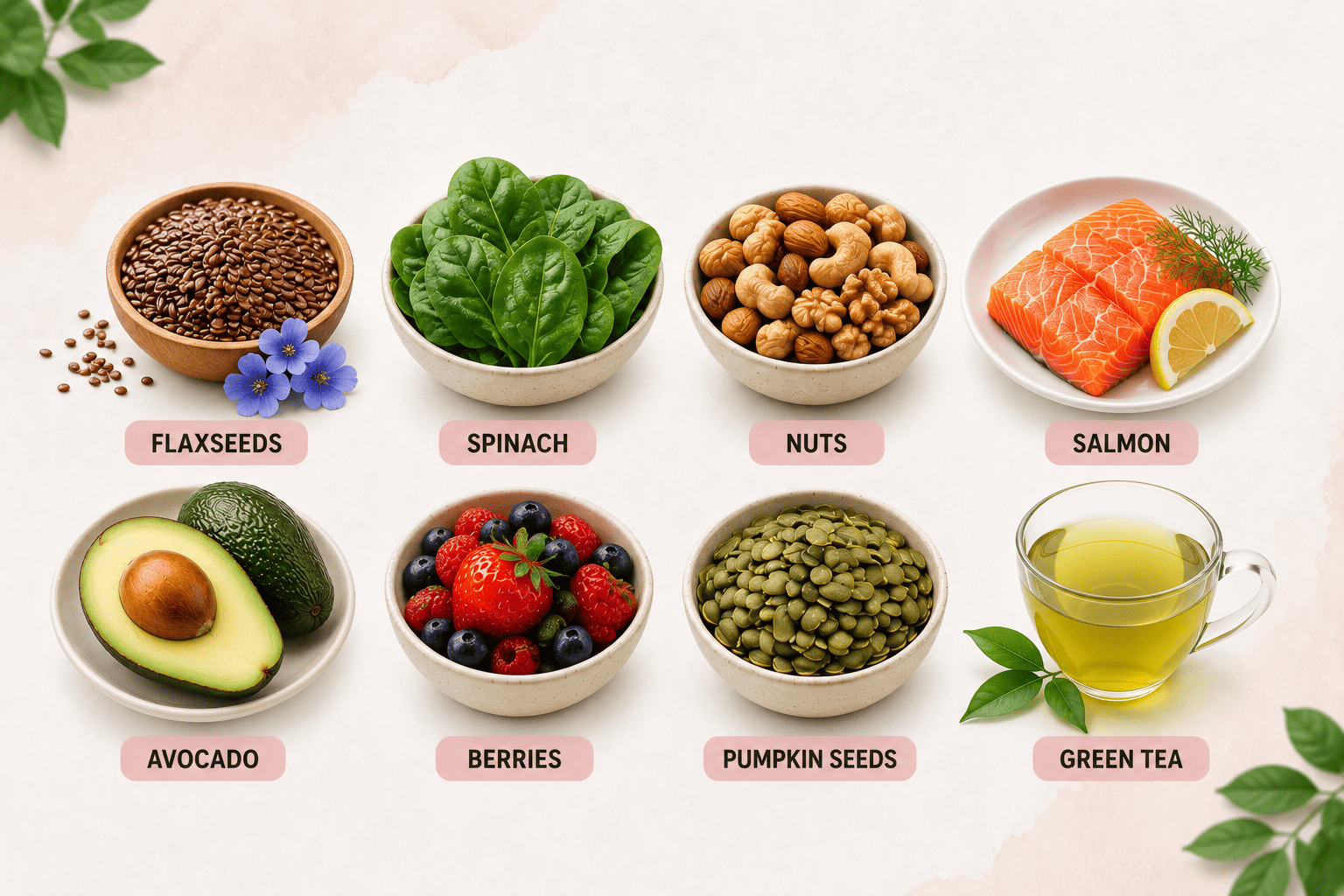
Best Foods for Hormonal Balance in Women
1. Fatty Fish
Fatty fish such as salmon, sardines, mackerel, and trout are rich in omega-3 fatty acids and provide high-quality protein.
Omega-3 fatty acids are important nutrients involved in normal cell function and overall health. Including fish as part of a balanced diet can be a nutritious choice for women.
If you do not eat fish, plant-based sources such as chia seeds, flaxseeds, and walnuts can provide alpha-linolenic acid (ALA), a type of omega-3 fatty acid.
2. Flaxseeds
Flaxseeds are a good source of fiber, healthy fats, and plant compounds called lignans.
They can be easily added to:
- Oatmeal
- Smoothies
- Yogurt
- Salads
- Homemade energy bites
Ground flaxseed is generally easier to incorporate into meals than whole flaxseeds.
3. Chia Seeds
Chia seeds contain fiber, plant-based omega-3 fatty acids, protein, and several minerals.
Their high fiber content can support digestive health and contribute to a balanced, nutrient-rich diet.
You can add chia seeds to yogurt, oatmeal, smoothies, or make chia pudding as a simple breakfast or snack.
4. Eggs
Eggs provide high-quality protein along with nutrients such as vitamin B12, selenium, choline, and vitamin D.
Protein is important for maintaining muscle and supporting many normal functions in the body. Including an adequate amount of protein in meals can also help make meals more satisfying.
Try adding boiled eggs, scrambled eggs, or vegetable omelets to a balanced breakfast.
5. Leafy Green Vegetables
Leafy greens such as spinach, kale, mustard greens, and other dark green vegetables provide fiber, folate, vitamin K, vitamin C, and several minerals.
Adding a variety of vegetables to your diet supports overall nutritional health.
You can include leafy greens in:
- Salads
- Soups
- Vegetable curries
- Smoothies
- Stir-fries
6. Cruciferous Vegetables
Broccoli, cauliflower, cabbage, Brussels sprouts, and other cruciferous vegetables are rich in fiber and plant compounds.
These vegetables can be part of a balanced diet that supports overall health.
Rather than relying on one specific vegetable to “detox” hormones, focus on eating a variety of vegetables regularly.
7. Avocado
Avocados provide healthy unsaturated fats, fiber, potassium, and other nutrients.
Healthy fats are an important part of a balanced diet and help the body absorb fat-soluble vitamins.
You can add avocado to salads, toast, sandwiches, or homemade dips.
8. Nuts and Seeds
Almonds, walnuts, pumpkin seeds, sunflower seeds, and other nuts and seeds provide healthy fats, protein, fiber, and minerals.
For example, pumpkin seeds are a source of magnesium and zinc, while walnuts provide omega-3 ALA.
A small handful of unsalted nuts can make a convenient and nutritious snack.
9. Greek Yogurt and Other Fermented Foods
Greek yogurt can provide protein and, depending on the product, beneficial live cultures.
Other fermented foods such as kefir and some fermented vegetables may also contribute to a diverse diet.
If you are sensitive to dairy or lactose, choose a suitable lactose-free or non-dairy alternative.
10. Berries
Strawberries, blueberries, raspberries, and blackberries contain fiber, vitamins, minerals, and antioxidant compounds.
Adding different types of berries to your meals can increase your intake of plant-based foods.
Try adding them to oatmeal, yogurt, smoothies, or eating them as a snack.
11. Whole Grains
Oats, brown rice, quinoa, barley, and whole-grain breads provide carbohydrates along with fiber and other nutrients.
Whole grains can help make meals more nutritious and satisfying compared with highly refined carbohydrate choices.
A balanced meal can combine whole grains with vegetables and a source of protein.
12. Legumes
Beans, lentils, chickpeas, and peas are nutritious sources of plant-based protein, fiber, iron, folate, and other nutrients.
They can be particularly useful for women following vegetarian or plant-forward diets.
If legumes cause gas or bloating, increase the amount gradually and make sure they are prepared properly.
13. Soy Foods
Foods such as tofu, tempeh, edamame, and soy milk contain protein and naturally occurring compounds called isoflavones.
Soy foods can be part of a healthy diet for most people. Research on soy and women’s health is complex, and soy should not be viewed as a universal treatment for hormonal problems.
Choose minimally processed soy foods when possible.
14. Sweet Potatoes
Sweet potatoes provide complex carbohydrates, fiber, potassium, and beta-carotene.
Including nutritious carbohydrate sources in your diet can help provide energy and make meals more balanced.
You can enjoy sweet potatoes roasted, boiled, baked, or added to soups and vegetable dishes.
15. Citrus Fruits
Oranges, grapefruit, lemons, and other citrus fruits provide vitamin C, fiber, and other plant nutrients.
Adding a variety of fruits to your daily diet is an easy way to increase your intake of vitamins, minerals, and fiber.
Foods to Limit for Better Overall Hormonal Health
Eating one specific food is not enough to maintain hormonal health. Overall dietary patterns matter more.
Consider limiting excessive amounts of:
- Highly processed foods
- Added sugars
- Sugary drinks
- Refined carbohydrates
- Foods high in unhealthy fats
- Excessive alcohol
You do not need to completely eliminate every treat or favorite food. The goal is to build a balanced eating pattern that you can maintain consistently.
Simple Diet Tips to Support Hormonal Health
Along with choosing nutritious foods, these habits can help support overall health:
Eat Enough Protein
Include a source of protein in your meals, such as eggs, fish, chicken, yogurt, tofu, beans, or lentils.
Choose Healthy Fats
Include foods such as nuts, seeds, avocado, olive oil, and fatty fish as part of a balanced diet.
Eat More Fiber
Fruits, vegetables, whole grains, beans, and seeds can help increase your daily fiber intake.
Stay Hydrated
Drink enough water throughout the day according to your body’s needs. Staying hydrated supports many normal body functions.
Avoid Extreme Diets
Very restrictive diets may make it difficult to obtain enough calories and essential nutrients. A balanced approach is generally more sustainable.
Get Regular Physical Activity
Regular exercise supports cardiovascular health, muscle strength, metabolic health, and overall well-being.
Prioritize Sleep
Getting adequate, consistent sleep is an important part of maintaining overall health and can influence appetite, mood, energy, and metabolic processes.
Can Food Really Balance Female Hormones?
Food can provide essential nutrients that support normal body functions, but it is not accurate to say that a particular food can directly “balance” hormones.
Hormonal changes can have many possible causes, including normal menstrual-cycle changes, pregnancy, menopause, thyroid conditions, polycystic ovary syndrome (PCOS), certain medications, and other health conditions.
If you are experiencing persistent or unusual symptoms, it is important to identify the underlying cause rather than relying only on dietary remedies.
Signs You May Need to Speak With a Healthcare Professional
Diet can support overall health, but persistent hormonal symptoms should be evaluated by a healthcare professional.
Consider seeking medical advice if you experience:
- Very irregular or missed periods
- Extremely heavy menstrual bleeding
- Persistent acne or excessive facial hair
- Unexplained changes in weight
- Persistent fatigue
- Significant mood changes
- Difficulty becoming pregnant
- Symptoms that suddenly appear or become severe
These symptoms can have many different causes, so proper evaluation is important.
Final Thoughts
The best foods for hormonal balance in women are not necessarily special or expensive foods. A varied diet containing vegetables, fruits, whole grains, protein-rich foods, healthy fats, nuts, seeds, and fermented foods can provide many of the nutrients your body needs.
Instead of focusing on one “hormone-balancing” food, aim for a balanced eating pattern and healthy lifestyle. If you have persistent menstrual, metabolic, reproductive, or other hormonal symptoms, speak with a qualified healthcare professional to determine the underlying cause.
Disclaimer: This article is intended for general informational purposes only and should not be considered medical advice. It is not intended to diagnose, treat, cure, or prevent any disease or hormonal disorder.
Frequently Asked Questions (FAQs)
There is no single food that can balance hormones. However, nutritious foods such as fatty fish, flaxseeds, chia seeds, eggs, leafy greens, berries, nuts, whole grains, legumes, avocado, and fermented foods can contribute to a balanced diet that supports overall health.
Flaxseeds contain fiber, omega-3 ALA, and lignans. They can be included as part of a healthy diet, but flaxseed should not be considered a treatment for hormonal disorders.
Rather than completely avoiding specific foods, focus on limiting excessive amounts of highly processed foods, sugary drinks, added sugars, refined carbohydrates, and alcohol while eating a varied and nutrient-rich diet.
Soy foods such as tofu, tempeh, edamame, and soy milk provide protein and naturally occurring isoflavones. They can be included as part of a balanced diet for most people. However, soy should not be used as a substitute for medical treatment for hormonal conditions.
Diet alone cannot fix every hormonal condition. A healthy, balanced diet can provide important nutrients and support overall health, but diagnosed hormonal disorders may require medical evaluation and specific treatment.