Polycystic ovary syndrome (PCOS) is a common hormonal and metabolic condition that can affect women during their reproductive years. It may be associated with irregular periods, excess androgen levels, acne, unwanted hair growth, and difficulty with ovulation.
Although there is no single PCOS diet that works for everyone, a balanced and nutrient-rich eating pattern can support overall health and may help with important aspects of PCOS management.
Choosing foods rich in fiber, protein, healthy fats, vitamins, and minerals while limiting highly processed foods and excess added sugar can be a helpful approach.
In this guide, we will discuss the best foods to eat for PCOS, foods to limit or avoid, and simple diet tips for supporting a healthy lifestyle with PCOS.
Table of Contents
ToggleWhat Is PCOS?
PCOS, or polycystic ovary syndrome, is a hormonal condition that can affect ovulation and metabolism.
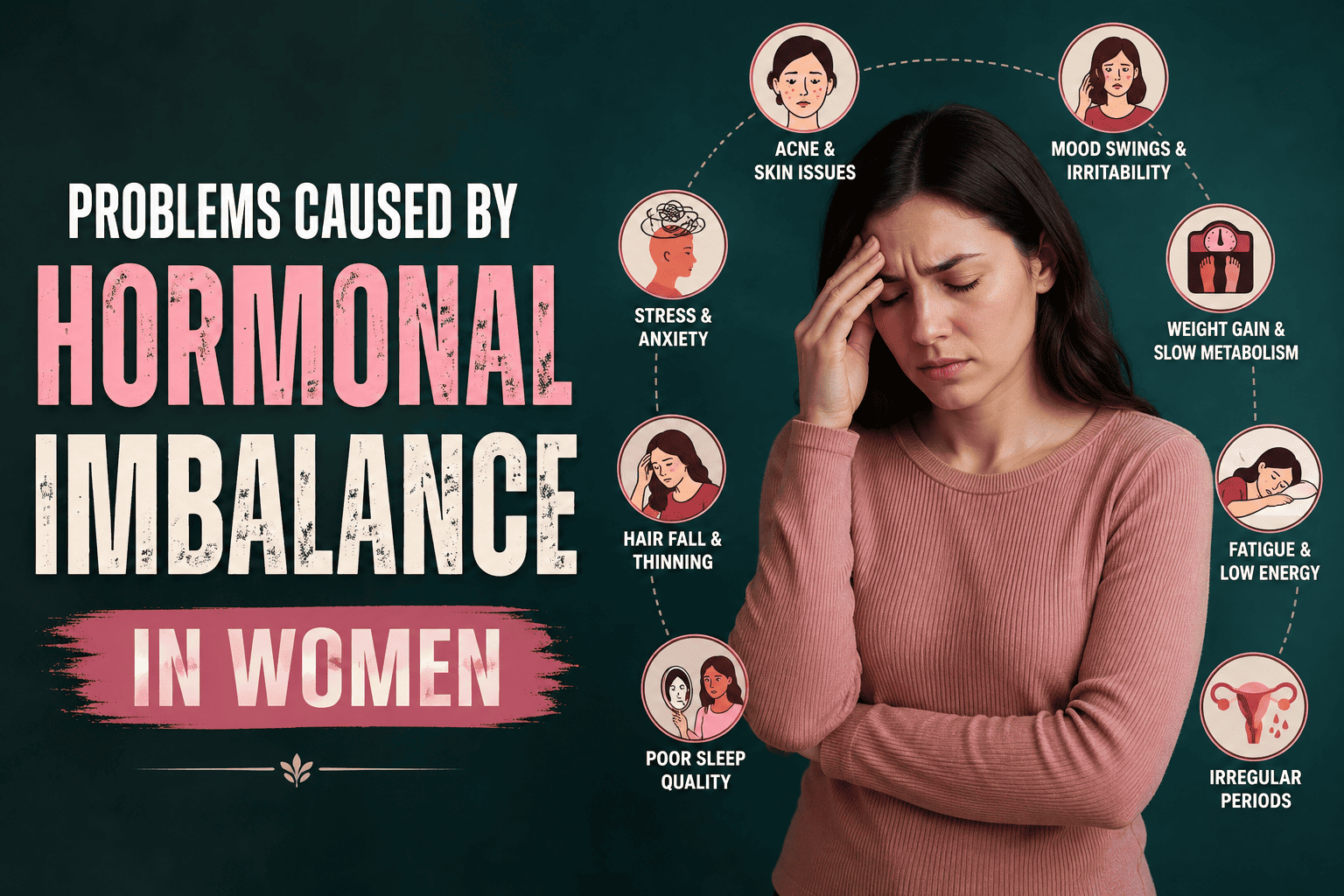
Some women with PCOS may experience:
- Irregular or missed periods
- Acne
- Increased facial or body hair
- Hair thinning
- Weight changes
- Difficulty with ovulation
- Insulin resistance
PCOS symptoms can vary significantly from one woman to another. Therefore, dietary needs and treatment plans can also differ.
Best Foods to Eat for PCOS
1. Leafy Green Vegetables
Spinach, kale, broccoli leaves, lettuce, and other leafy greens provide fiber, vitamins, minerals, and plant compounds.
Adding a variety of vegetables to your meals can help create a nutrient-rich diet.
Try adding leafy greens to:
- Salads
- Soups
- Vegetable curries
- Omelets
- Smoothies
2. Cruciferous Vegetables
Broccoli, cauliflower, cabbage, Brussels sprouts, and similar vegetables are excellent sources of fiber and various nutrients.
Fiber can help make meals more filling and supports digestive health.
Include different vegetables throughout the week rather than relying on one particular food.
3. Fatty Fish
Salmon, sardines, mackerel, and trout provide protein and omega-3 fatty acids.
Omega-3 fatty acids are important for normal cell function and overall health.
For people who do not eat fish, plant-based sources such as chia seeds, flaxseeds, and walnuts can provide ALA, a plant-based omega-3 fatty acid.
4. Eggs
Eggs are a convenient source of high-quality protein and provide nutrients such as vitamin B12, selenium, choline, and vitamin D.
Adding protein to meals can help make them more satisfying.
Healthy options include:
- Boiled eggs
- Vegetable omelets
- Scrambled eggs
- Egg and vegetable bowls
5. Berries
Blueberries, strawberries, raspberries, and blackberries provide fiber and a variety of vitamins and antioxidant compounds.
They can be a nutritious alternative to desserts that are high in added sugar.
Add berries to:
- Plain yogurt
- Oatmeal
- Smoothies
- Chia pudding
6. Nuts and Seeds
Almonds, walnuts, pumpkin seeds, sunflower seeds, chia seeds, and flaxseeds provide healthy fats, protein, fiber, and minerals.
A small serving of unsalted nuts or seeds can make a convenient snack.
Ground flaxseeds and chia seeds can also be added to oatmeal or yogurt.
7. Whole Grains
Whole grains such as oats, quinoa, brown rice, barley, and whole-grain bread contain fiber and other nutrients.
Replacing some refined grains with whole-grain options can increase your fiber intake and make meals more nutrient-dense.
8. Legumes
Beans, lentils, chickpeas, and peas provide plant-based protein and fiber.
They can be useful for creating balanced meals without relying heavily on refined carbohydrates.
Try adding lentils to soups, chickpeas to salads, or beans to vegetable dishes.
9. Greek Yogurt
Plain Greek yogurt can provide protein and, depending on the product, beneficial live cultures.
Choose unsweetened varieties and add fresh berries, nuts, or seeds for additional nutrients.
If you do not tolerate dairy, a suitable unsweetened alternative can be considered.
10. Avocado
Avocados provide fiber and healthy unsaturated fats.
They can be added to salads, whole-grain toast, vegetable bowls, or homemade dips.
11. Sweet Potatoes
Sweet potatoes provide fiber, potassium, and beta-carotene.
They can be used as a nutritious carbohydrate source in balanced meals.
Try pairing baked or boiled sweet potatoes with vegetables and a protein source.
12. Chia Seeds and Flaxseeds
Both chia seeds and flaxseeds provide fiber and plant-based omega-3 fatty acids.
They are easy to add to everyday meals.
You can add them to:
- Oatmeal
- Yogurt
- Smoothies
- Salads
- Homemade energy bites
Foods to Limit or Avoid With PCOS
There is no universal list of foods that every person with PCOS must completely avoid. However, limiting foods that are highly processed or contain large amounts of added sugar can support a healthier overall eating pattern.
1. Sugary Drinks
Soft drinks, sweetened juices, energy drinks, and other sugary beverages can provide a large amount of added sugar without offering much nutritional value.
Choose water, unsweetened tea, or other low-sugar options more often.
2. Refined Carbohydrates
Foods made primarily from refined grains may contain less fiber than whole-grain alternatives.
Examples include:
- White bread
- Refined breakfast cereals
- Many packaged baked goods
- Some types of crackers
- Refined pasta
You do not need to eliminate carbohydrates completely. Instead, consider choosing higher-fiber carbohydrate sources more often.
3. Foods High in Added Sugar
Limit excessive intake of:
- Candy
- Cakes
- Cookies
- Pastries
- Sweetened desserts
- Sugary cereals
Having these foods occasionally can fit into a balanced diet, but they should not make up a large portion of your daily intake.
4. Highly Processed Foods
Highly processed foods may contain significant amounts of added sugar, sodium, refined carbohydrates, or unhealthy fats.
Examples include:
- Packaged snack foods
- Fast food
- Processed meats
- Some frozen convenience meals
- Sugary packaged snacks
Choose minimally processed foods more often when possible.
5. Deep-Fried Foods
Fried foods can be high in calories and unhealthy fats depending on how they are prepared.
Instead, try cooking methods such as:
- Baking
- Grilling
- Steaming
- Roasting
- Air frying
6. Excessive Alcohol
Alcohol can add extra calories and may not be appropriate for everyone.
If you drink alcohol, moderation is important. People who are pregnant or trying to become pregnant should avoid alcohol.
Should You Avoid Carbohydrates With PCOS?
No. Carbohydrates do not automatically need to be eliminated from a PCOS diet.
Instead of completely avoiding carbohydrates, focus on the quality and portion of your carbohydrate sources.
Better choices can include:
- Oats
- Brown rice
- Quinoa
- Sweet potatoes
- Beans
- Lentils
- Whole-grain bread
- Fruits
- Vegetables
Combining carbohydrates with protein, healthy fats, and fiber can create a more balanced meal.
A Simple PCOS-Friendly Plate
A simple way to build a balanced meal is to include:
Half the plate:
Non-starchy vegetables such as leafy greens, broccoli, cucumber, tomatoes, or peppers.
One-quarter of the plate:
A protein source such as eggs, fish, chicken, tofu, beans, or lentils.
One-quarter of the plate:
A high-fiber carbohydrate such as brown rice, quinoa, oats, sweet potato, or whole grains.
You can also add a small amount of healthy fat from foods such as avocado, nuts, seeds, or olive oil.
Lifestyle Tips Along With a PCOS Diet
Diet is only one part of supporting overall health with PCOS.
Stay Physically Active
Regular physical activity can support metabolic health, cardiovascular health, muscle strength, and overall well-being. Choose activities you enjoy, such as walking, strength training, cycling, swimming, or yoga.
Prioritize Sleep
Try to maintain a consistent sleep schedule and get enough quality sleep. Good sleep supports energy, mood, appetite regulation, and overall health.
Stay Hydrated
Drink enough water throughout the day and choose water more often than sugary beverages.
Avoid Extreme Dieting
Very restrictive diets can be difficult to maintain and may make it harder to meet your nutritional needs. A balanced, sustainable eating pattern is generally a better long-term approach.
Can Diet Cure PCOS?
Diet cannot be considered a cure for PCOS.
However, healthy eating and regular physical activity can be important parts of PCOS management. Depending on your symptoms and health goals, a healthcare professional may recommend additional treatments or lifestyle changes.
If you have PCOS, work with a qualified healthcare professional or registered dietitian to create a dietary approach suited to your individual needs.
Final Thoughts
A healthy PCOS diet does not have to be complicated or extremely restrictive. Focus on eating a variety of vegetables, fruits, whole grains, lean proteins, healthy fats, nuts, seeds, and legumes while limiting excessive added sugar and highly processed foods.
Instead of searching for one “miracle” food for PCOS, aim for a balanced eating pattern that you can maintain over time. Regular physical activity, adequate sleep, hydration, and appropriate medical care can also play an important role in supporting your overall health.
If you have PCOS or symptoms that may be related to PCOS, consult a qualified healthcare professional for personalized advice.
Disclaimer: This article is for general informational purposes only and should not be considered medical advice. It is not intended to diagnose, treat, cure, or prevent PCOS or any other medical condition.
Frequently Asked Questions (FAQs)
Some nutritious choices for a PCOS-friendly diet include leafy green vegetables, broccoli, berries, fatty fish, eggs, nuts, seeds, whole grains, beans, lentils, Greek yogurt, avocado, and sweet potatoes. The overall quality and balance of the diet are more important than any single food.
There is no universal list of foods that everyone with PCOS must completely avoid. However, it can be helpful to limit excessive amounts of sugary drinks, foods high in added sugar, refined carbohydrates, highly processed foods, and deep-fried foods.
Yes. Having PCOS does not mean you must completely avoid rice. Choosing higher-fiber options such as brown rice and paying attention to portion size can be part of a balanced diet. Pair rice with vegetables, protein, and healthy fats for a more balanced meal.
Yes. Whole fruits provide fiber, vitamins, minerals, and other beneficial plant compounds. Berries, apples, oranges, pears, and other whole fruits can be included in a balanced PCOS diet. Whole fruit is generally preferable to sugary fruit drinks or juices.
A balanced diet can support overall metabolic and nutritional health and may be an important part of managing PCOS. However, diet alone may not address every symptom or underlying issue. A healthcare professional can help determine the most appropriate treatment and lifestyle approach.