Natural Hair Color for Gray Hair: Homemade Henna Hair-Coloring Recipe
Looking for a natural black color for hair? If you prefer traditional, homemade hair-care methods, this remedy uses ingredients commonly associated with natural hair care and may help enhance the darker appearance of your hair.
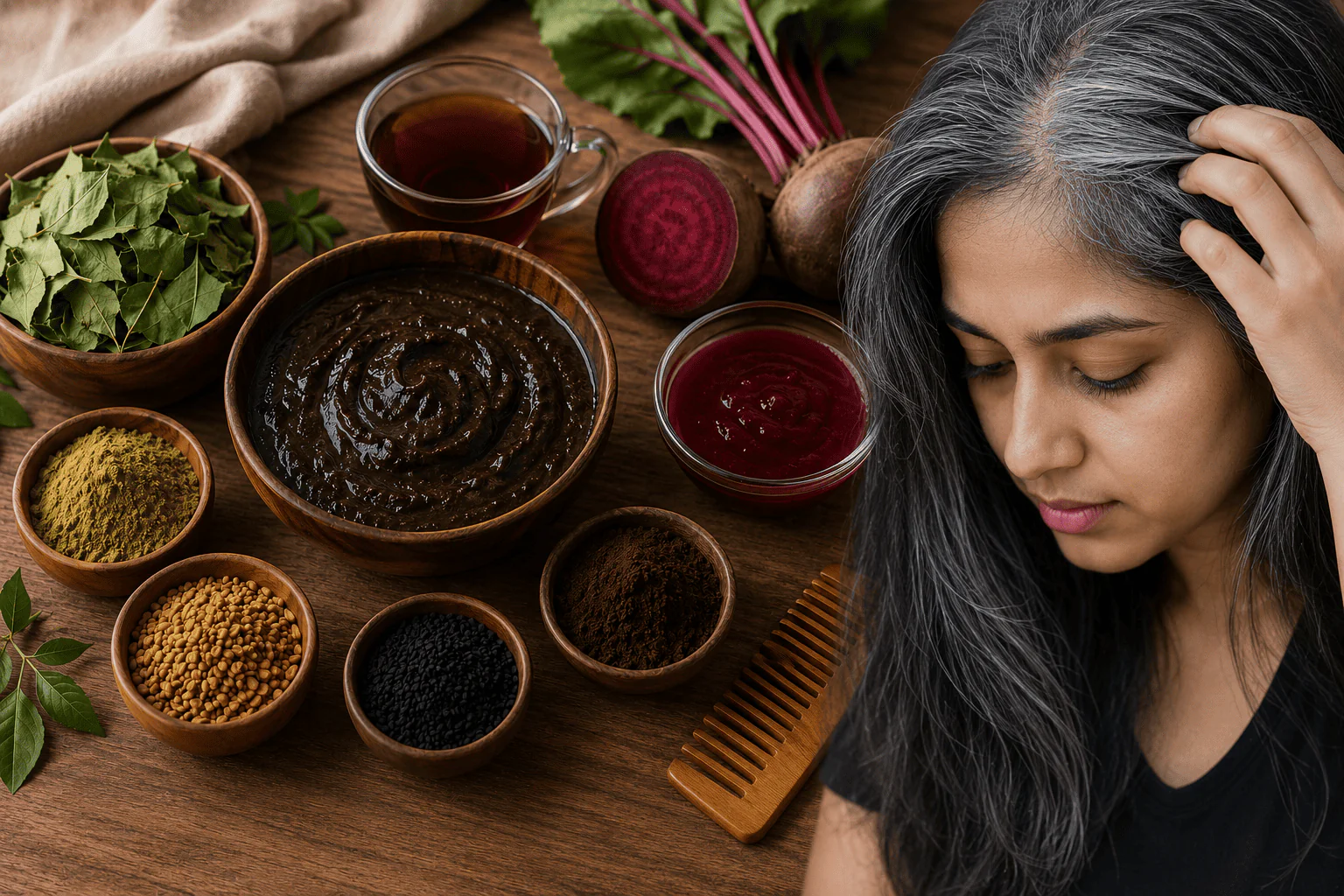
Gray or white hair is often associated with aging, but some people begin noticing it much earlier in life. Lifestyle factors, stress, nutritional deficiencies, and hair-care practices may all be relevant to overall hair health. This is why many people explore homemade alternatives to conventional hair-coloring products.
Keep in mind that natural ingredients may temporarily affect the appearance of hair, but they are not proven to restore the hair’s natural pigment or permanently reverse graying.
Why Does Hair Turn White Early?
Hair gets its natural color from a pigment called melanin. As melanin production changes, hair may gradually become gray or white. Premature graying can have several possible contributing factors, including:
Ongoing stress
Certain vitamin or nutritional deficiencies
Environmental exposure and lifestyle factors
Frequent use of chemical hair-coloring products
Changes in scalp or hair health
Hormonal or other underlying health conditions
The cause of early graying can vary from person to person. If you notice sudden or unusually early changes in hair color, consider discussing them with a healthcare professional.
Ingredients for Natural Black Color for Hair
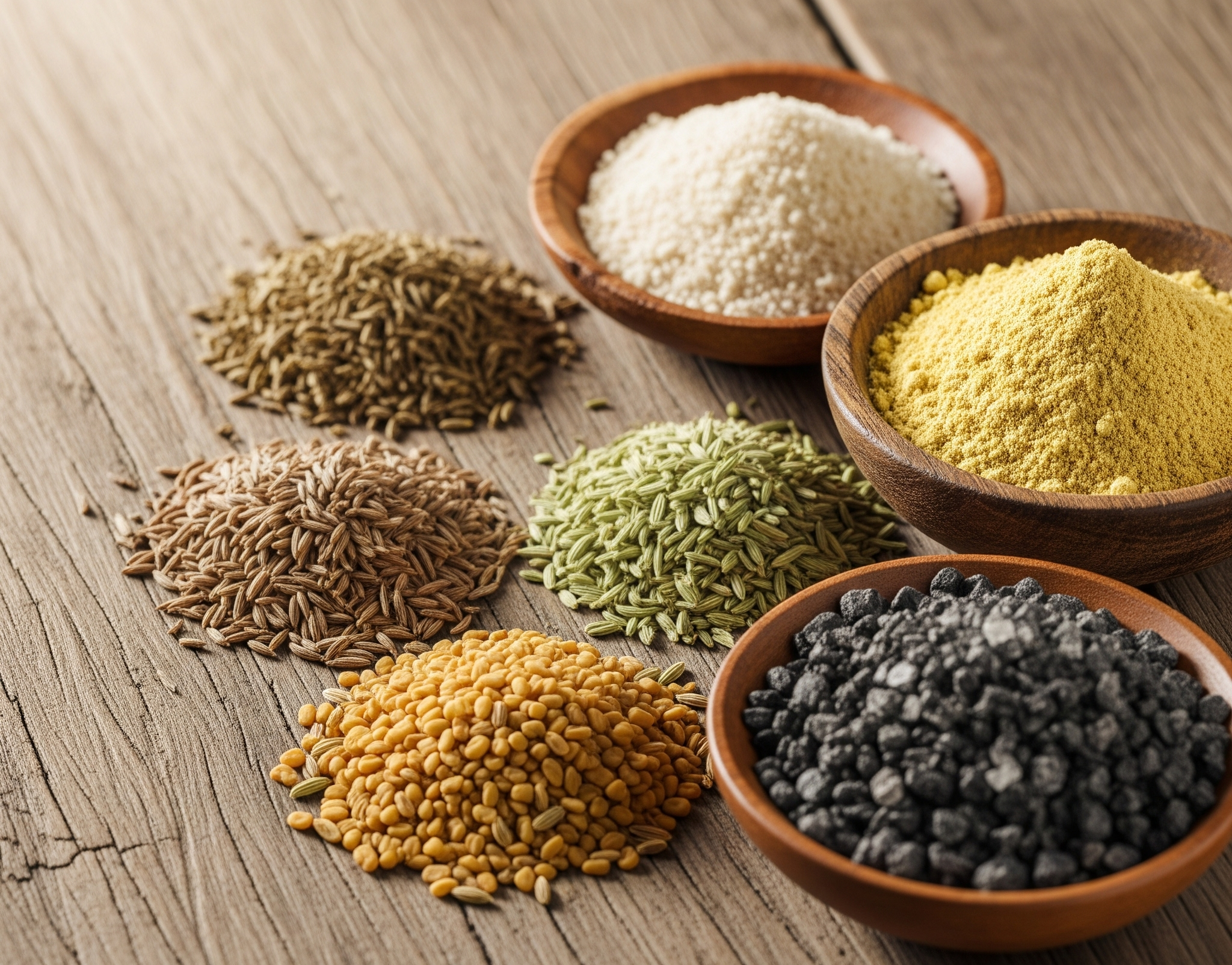
This homemade hair-care preparation combines ingredients traditionally used in hair routines. The mixture may help provide a darker-looking finish, depending on your hair type and the ingredients used.
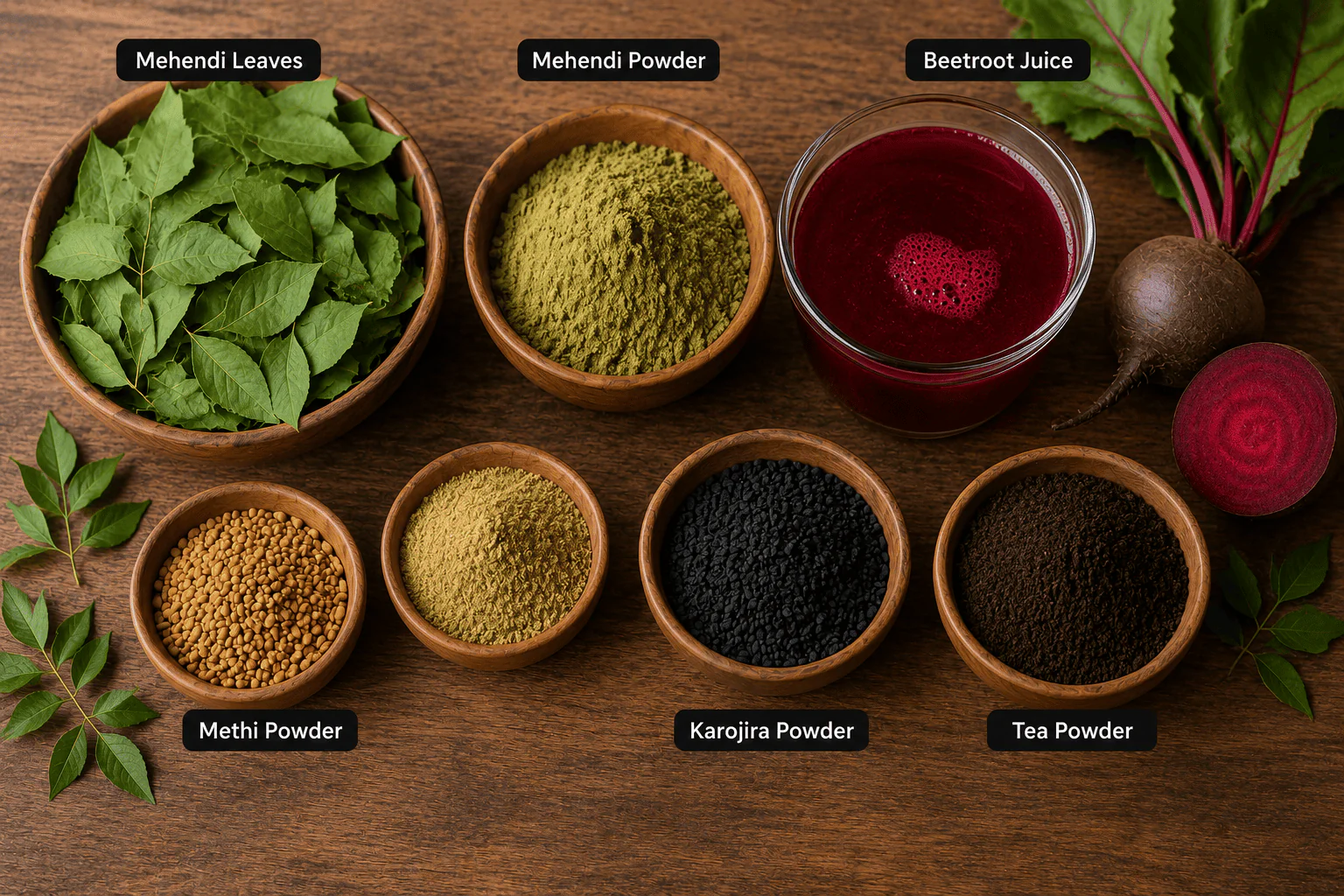
Ingredients Needed
Mehendi leaves or mehendi (henna) powder
Methi (fenugreek) powder
Karojira (black seed) powder
Tea powder
Beetroot juice
How to Make This Homemade Hair Blackening Powder
You can prepare this mixture at home using the ingredients listed above. Follow the steps carefully and allow the preparation to cool and dry completely before storing it.
Preparation Method
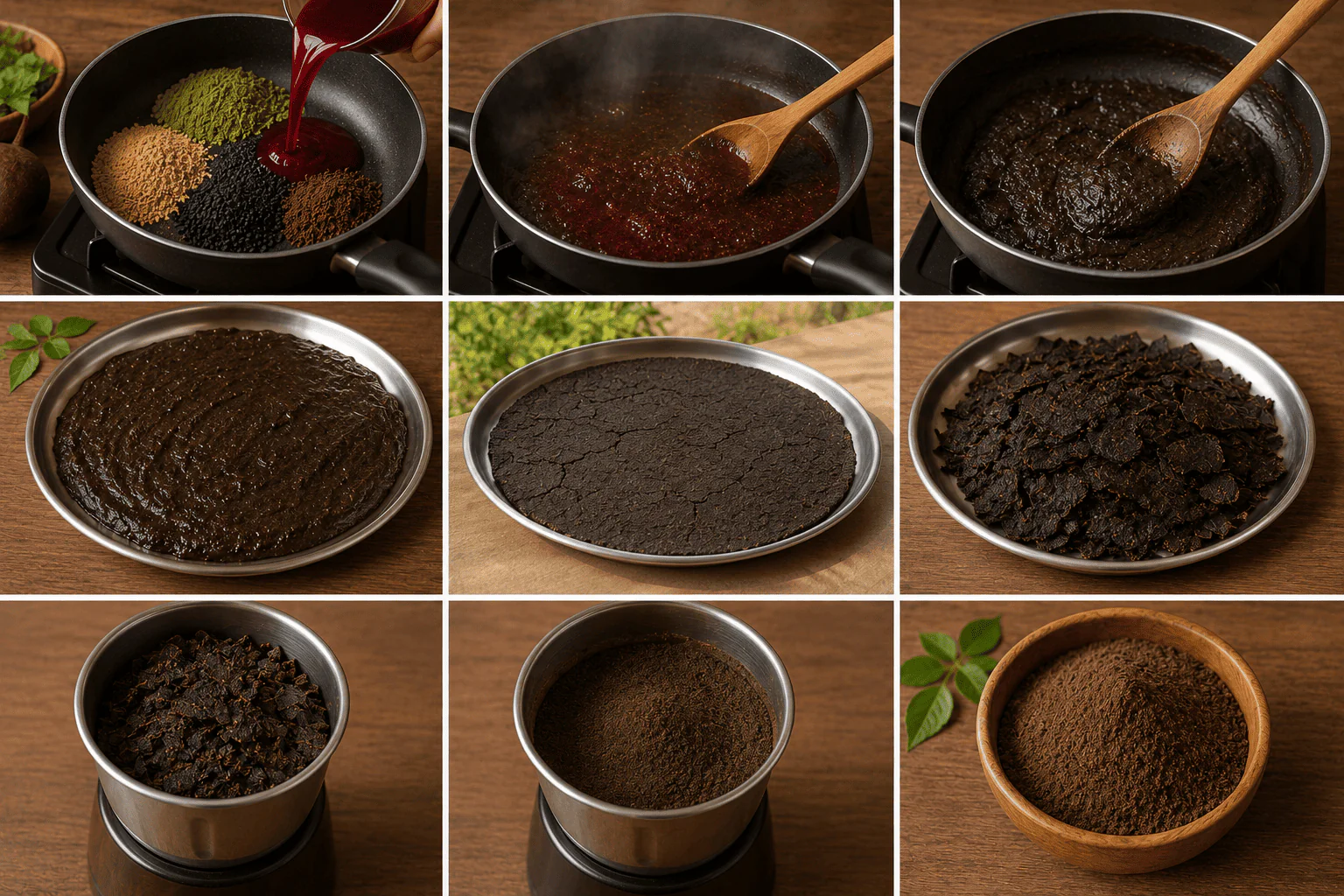
Take a lohar korai, or iron pan, for preparing the mixture. Iron cookware is traditionally used in some homemade hair-care preparations, although its effect on hair color is not established.
Add the mehendi leaves or powder, methi powder, karojira powder, tea powder, and beetroot juice to the pan.
Heat the mixture over a low flame, stirring as it warms.
Continue mixing until the ingredients are combined and the preparation becomes thicker.
Remove the pan from the heat and allow the mixture to cool completely.
Spread the cooled mixture out and let it dry thoroughly in sunlight or in a well-ventilated area.
Once fully dry, grind it into a fine powder using a mixer grinder.
Transfer the powder to a clean, completely dry, airtight container and store it in a cool place.
Important: Do not store the mixture while it is damp, as moisture can cause it to spoil. Before applying it to your hair, perform a patch test and avoid using it if irritation occurs.
How to Use This Natural Black Color for Hair
This homemade powder can be mixed with water to form a paste for application. It may provide a temporary change in the appearance of hair, but results can differ depending on hair texture, existing color, and the ingredients used.
Usage Method
Place a suitable amount of the prepared powder in a clean bowl.
Add water gradually and mix until you get a smooth, spreadable paste.
Apply the paste evenly through your hair, from the roots to the ends. Avoid contact with your eyes.
Leave it on for a short period, following your comfort and the product’s patch-test results.
Rinse thoroughly with water.
If you experience burning, itching, redness, or discomfort, wash the mixture off immediately and discontinue use. Natural ingredients can still cause irritation or allergic reactions.
What to Expect From This Homemade Hair-Coloring Method
People who prefer homemade hair-care routines may choose this preparation because it uses familiar ingredients and can be made at home. Its effects are mainly cosmetic, and it should not be considered a proven treatment for premature graying.
Possible Benefits
Offers a homemade option for hair care
Uses ingredients traditionally included in hair-care routines
May temporarily deepen the appearance of hair color
Can be prepared with commonly available ingredients
Provides a budget-conscious alternative for those who prefer DIY hair preparations
Final Thoughts
A homemade hair preparation made with mehendi, methi, black seed powder, tea, and beetroot juice may appeal to people looking for a traditional hair-care option. However, it should be viewed as a cosmetic preparation rather than a proven way to reverse white hair or restore natural melanin.
For persistent or unusually early graying, consider speaking with a healthcare professional to discuss possible contributing factors.
Disclaimer: This article is intended for general educational purposes only and is not a substitute for professional medical advice, diagnosis, or treatment. Natural ingredients may cause irritation or allergic reactions. Always perform a patch test before applying a new preparation to your scalp or hair. Consult a qualified healthcare professional for concerns about premature graying, scalp symptoms, or sudden changes in hair health.
Hair color depends largely on melanin production. Some natural preparations may temporarily change how hair looks, but there is no reliable evidence that this homemade mixture can restore lost pigment or permanently turn white hair black.
There is no established timeline for results. Any visible color change may depend on your original hair color, hair texture, preparation strength, and how the mixture is applied. The effect may be temporary.
Mehendi, also known as henna, is traditionally used to add color to hair. It may create a reddish, copper, or brownish tone rather than a true black shade. Results vary, so perform a strand test before applying it to your entire head.
Tea is used in some traditional hair-care preparations and may temporarily affect the appearance of hair. However, the result is not guaranteed and should not be expected to permanently change natural hair color.
Not necessarily. Natural ingredients can still trigger irritation or allergic reactions, and individual results may vary. Perform a patch test before use, avoid applying the mixture to broken or irritated skin, and discontinue use if discomfort develops.
About the Author
The HealthCureRemedies Editorial Team
The HealthCureRemedies Editorial Team creates educational content on natural remedies, wellness, and everyday self-care. Our articles are prepared to help readers understand traditional practices while encouraging informed, responsible decisions.
Editorial Note:
Homemade remedies may not work the same way for everyone. We recommend using them cautiously and seeking professional guidance when needed.