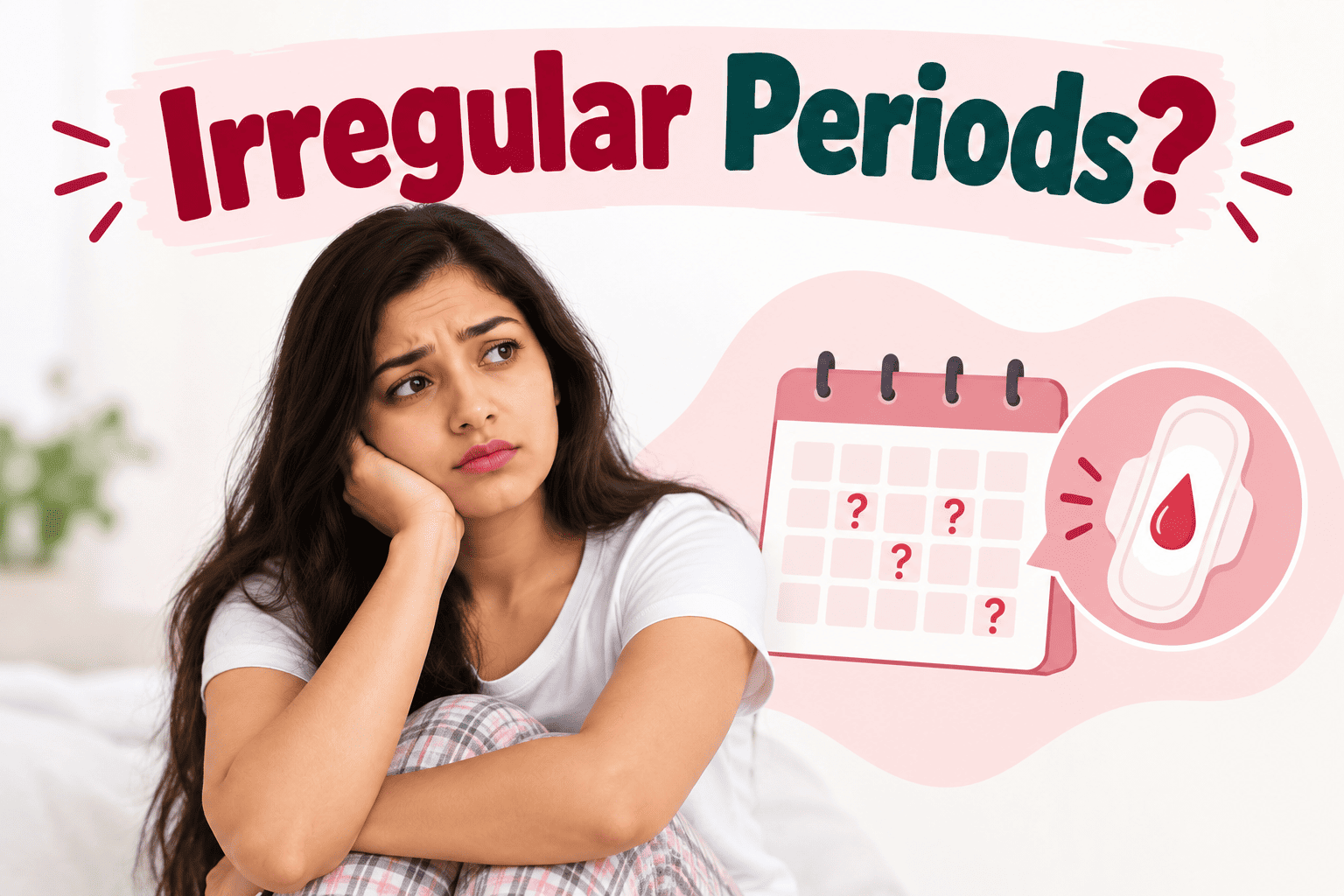
Having a regular menstrual cycle can be an important part of reproductive health. However, periods can sometimes become irregular because of stress, changes in weight, excessive exercise, certain medications, hormonal conditions, or other health concerns.
If you are wondering how to get regular periods naturally, healthy lifestyle habits may support overall menstrual health. However, there is no single food, drink, or home remedy that can guarantee a regular period.
In this article, we will discuss natural ways to support a healthy menstrual cycle, foods to include, habits to follow, and when irregular periods may need medical attention.
Table of Contents
ToggleWhat Is a Regular Menstrual Cycle?
A menstrual cycle is counted from the first day of one period to the first day of the next. Cycle length can naturally vary between women and may also change during different stages of life.
An occasional change in your period does not always indicate a health problem. However, consistently irregular, very heavy, unusually painful, or absent periods may need to be evaluated by a healthcare professional.
Common Reasons for Irregular Periods
Periods can become irregular for many different reasons, including:
- Stress and emotional changes
- Significant weight gain or weight loss
- Very low calorie intake
- Excessive physical activity
- Pregnancy
- Polycystic ovary syndrome (PCOS)
- Thyroid problems
- Certain medications
- Perimenopause
- Other hormonal or reproductive health conditions
Because there are many possible causes, finding the underlying reason is more important than simply trying to bring on a period.
How to Get Regular Periods Naturally
1. Eat a Balanced and Nutritious Diet
Your body needs adequate energy and nutrients to support normal hormonal and reproductive functions.
Include a variety of:
- Vegetables
- Fruits
- Whole grains
- Eggs
- Fish or other protein sources
- Beans and lentils
- Nuts and seeds
- Healthy fats
Avoid relying on restrictive diets or skipping meals regularly.
2. Maintain a Healthy Weight
Both being significantly underweight and having obesity can be associated with menstrual irregularities.
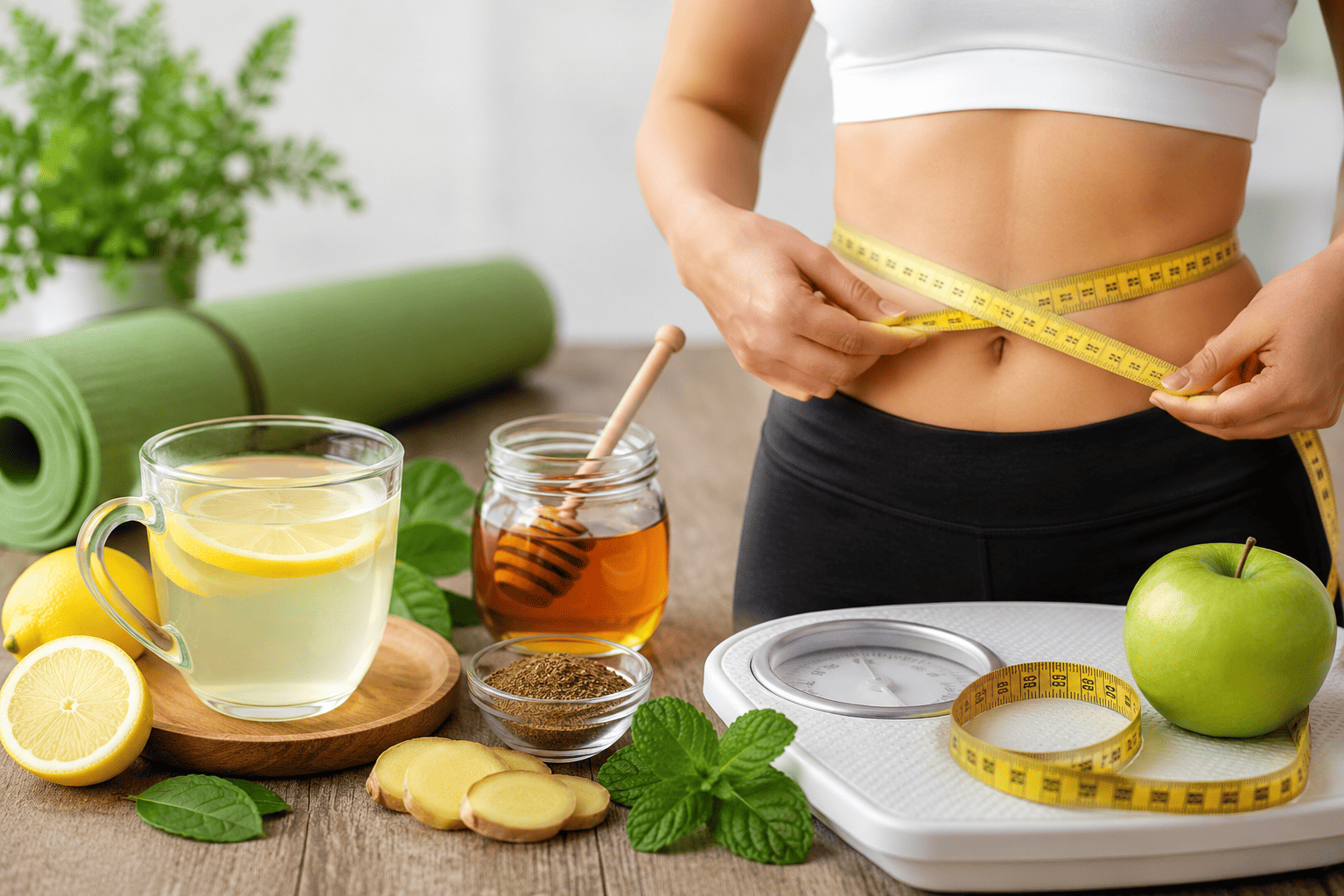
If your weight has changed significantly and your periods have become irregular, focus on gradual, sustainable lifestyle changes rather than crash diets.
A healthcare professional or registered dietitian can help you create an appropriate plan based on your individual needs.
3. Manage Stress
Long-term or significant stress can affect the hormones involved in the menstrual cycle.
Simple stress-management habits may include:
- Deep breathing
- Meditation
- Gentle yoga
- Walking
- Spending time outdoors
- Relaxing hobbies
- Maintaining a consistent sleep routine
Finding a stress-management method that you can practice regularly may be more useful than trying quick remedies.
4. Get Enough Sleep
Sleep plays an important role in overall health and can influence hormones, mood, appetite, and energy levels.
Try to:
- Maintain a consistent bedtime
- Keep your bedroom comfortable and quiet
- Avoid excessive screen use before sleeping
- Follow a regular sleep schedule
Aim for adequate, quality sleep rather than relying on irregular sleeping patterns.
5. Exercise Regularly but Avoid Excessive Exercise
Regular physical activity supports cardiovascular health, metabolic health, and overall well-being.
Walking, cycling, swimming, strength training, and yoga can all be useful forms of exercise.
However, very intense exercise combined with inadequate calorie intake can contribute to irregular or missed periods in some women.
The goal is to find a sustainable balance between physical activity, nutrition, and recovery.
6. Eat Enough Healthy Fats
Healthy fats are an important part of a balanced diet.
Include foods such as:
- Avocado
- Nuts
- Seeds
- Olive oil
- Fatty fish
- Nut butters
Rather than removing fats from your diet, choose nutritious sources and consume them as part of balanced meals.
7. Include Iron-Rich Foods
Menstrual bleeding can contribute to iron loss, making iron an important nutrient for many women.
Good dietary sources include:
- Lentils
- Beans
- Spinach
- Eggs
- Lean meat
- Fish
- Fortified cereals
If you experience heavy periods or symptoms such as persistent tiredness, speak with a healthcare professional before taking iron supplements.
8. Include Foods Rich in Vitamin D
Vitamin D is an important nutrient for bone health and many other normal body functions.
Dietary sources include:
- Fatty fish
- Egg yolks
- Fortified foods
- Some dairy products
Safe sunlight exposure may also help your body produce vitamin D, although the amount varies depending on factors such as location, skin type, season, and lifestyle.
If you suspect a vitamin D deficiency, a healthcare professional can advise whether testing or supplementation is appropriate.
9. Track Your Menstrual Cycle
Keeping track of your period can help you understand your individual cycle pattern.
Record:
- The first day of each period
- How long bleeding lasts
- Flow changes
- Pain or cramps
- Other symptoms
- Any major lifestyle or dietary changes
A period-tracking app or simple calendar can make this easier.
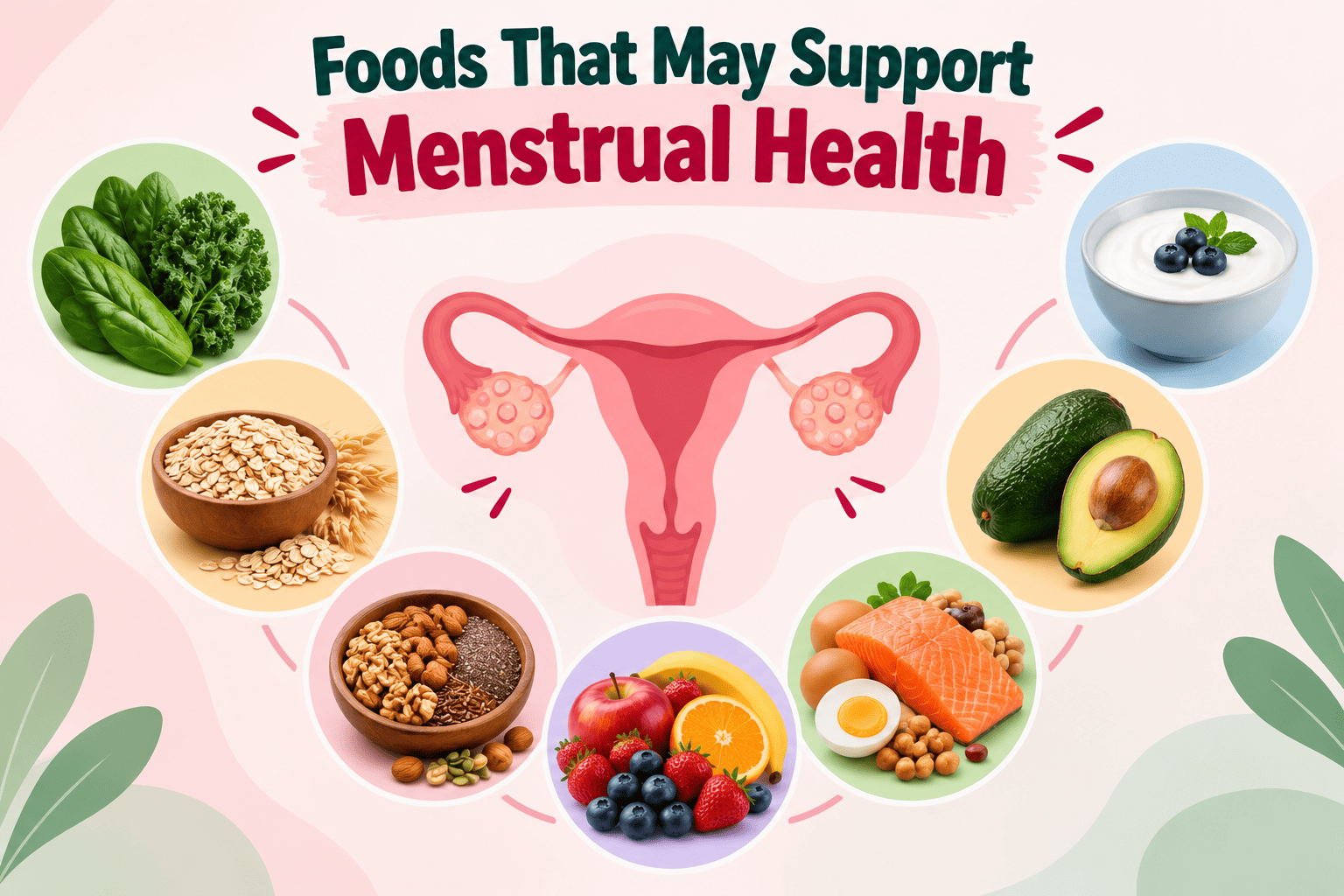
Foods That May Support Menstrual Health
No food can guarantee that your period will become regular. However, a balanced diet can provide nutrients that support overall health.
Consider including:
Leafy Green Vegetables
Spinach, kale, and other leafy greens provide folate, iron, vitamin C, and other nutrients.
Whole Grains
Oats, brown rice, quinoa, barley, and whole-grain breads provide fiber and other nutrients.
Nuts and Seeds
Almonds, walnuts, chia seeds, flaxseeds, and pumpkin seeds provide healthy fats, protein, and minerals.
Fruits
Berries, oranges, apples, bananas, and other whole fruits provide fiber, vitamins, minerals, and plant compounds.
Protein-Rich Foods
Eggs, fish, chicken, tofu, beans, lentils, and yogurt can help provide adequate protein.
Can Home Remedies Make Periods Come Faster?
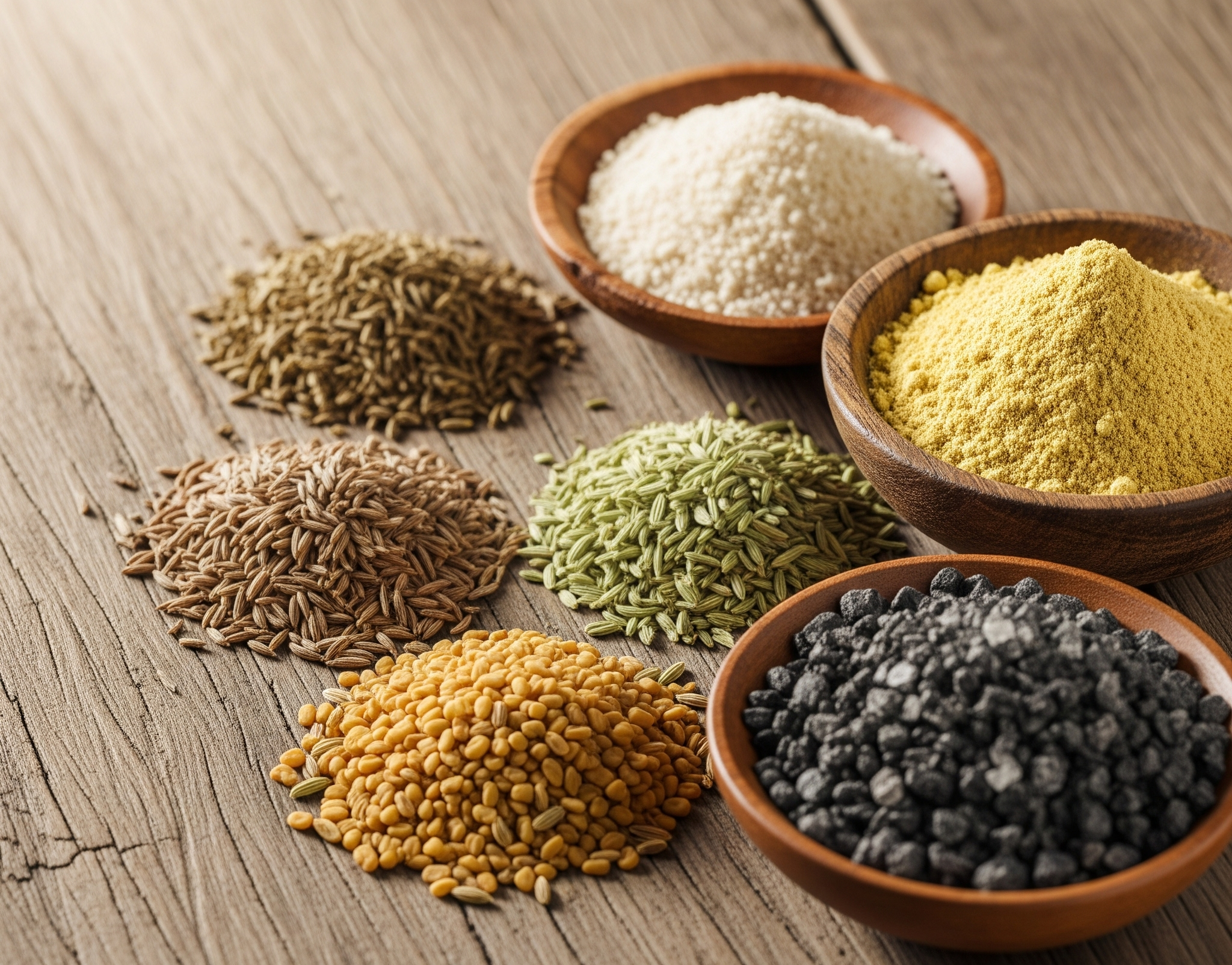
Many home remedies are promoted online as ways to bring on a period, including certain herbal drinks, large amounts of particular fruits, or concentrated supplements.
However, there is limited evidence that these remedies can reliably start a period or correct the underlying cause of irregular menstruation.
Avoid taking high doses of herbs, supplements, or medications to induce bleeding without professional guidance.
If your period is late and pregnancy is possible, taking a pregnancy test is an important first step.
Can PCOS Cause Irregular Periods?
Yes. PCOS is one possible cause of irregular or missed periods.
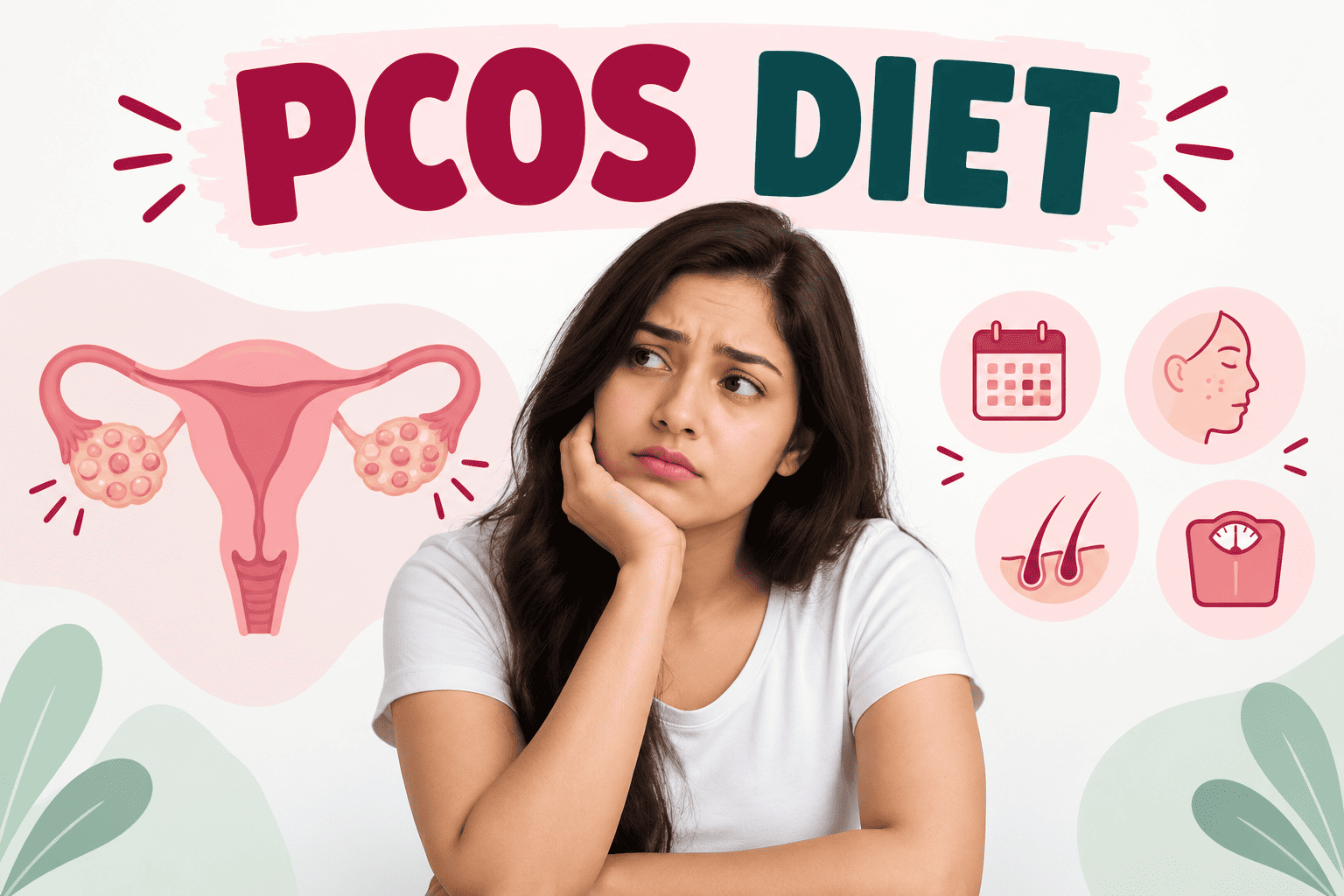
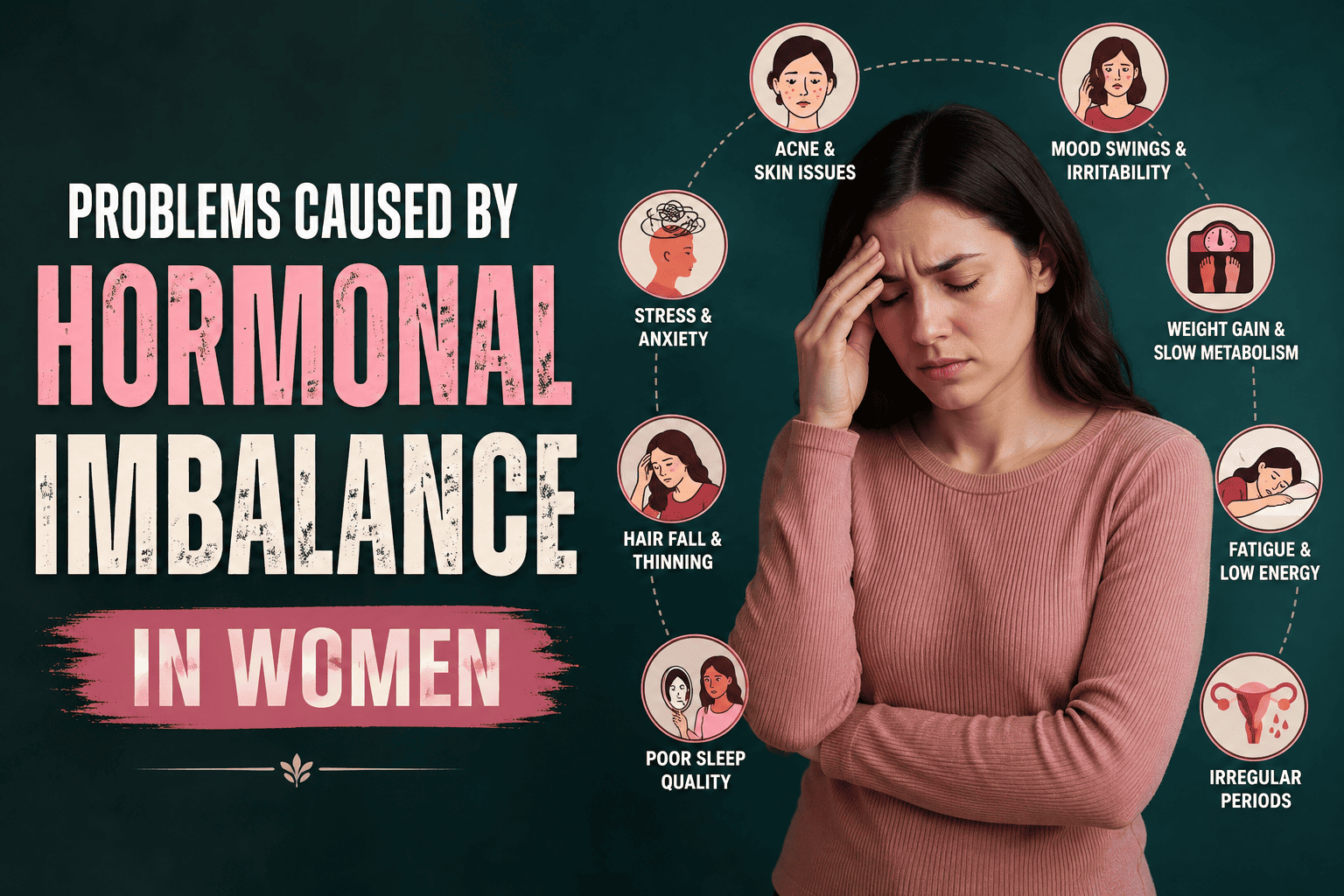
Women with PCOS may also experience symptoms such as acne, increased facial or body hair, hair thinning, weight changes, or difficulty with ovulation.
Lifestyle changes can be an important part of managing PCOS, but persistent irregular periods should be discussed with a healthcare professional.
When Should You See a Doctor?
Occasional changes in your menstrual cycle can happen, but persistent irregularity should not be ignored.
Speak with a healthcare professional if:
- Your periods are repeatedly irregular
- You frequently miss periods
- Your periods suddenly stop
- You have very heavy menstrual bleeding
- You experience severe menstrual pain
- You have bleeding between periods
- You have unexplained weight changes
- You have symptoms such as excessive facial hair or persistent acne
- You are having difficulty becoming pregnant
If you have missed a period and pregnancy is possible, consider taking a pregnancy test.
Final Thoughts
Learning how to get regular periods naturally starts with supporting your overall health rather than relying on a single food or home remedy. Eating nutritious meals, getting adequate sleep, managing stress, maintaining a healthy weight, and staying physically active can all contribute to a healthy lifestyle.
However, irregular periods can sometimes be a sign of an underlying hormonal or reproductive health condition. If your periods remain irregular, frequently disappear, become unusually heavy, or are accompanied by other symptoms, consult a qualified healthcare professional.
Disclaimer: This article is for general informational purposes only and is not a substitute for professional medical advice, diagnosis, or treatment. Do not use herbs, supplements, or medications to induce menstruation without appropriate medical guidance.
Frequently Asked Questions (FAQs)
Eating a balanced diet, maintaining a healthy weight, managing stress, getting adequate sleep, and exercising regularly may support a healthy menstrual cycle. However, the best approach depends on the reason your periods are irregular.
There is no specific food that can guarantee regular periods. A nutritious diet containing vegetables, fruits, whole grains, protein-rich foods, healthy fats, nuts, seeds, and iron-rich foods can support overall health and nutritional needs.
Yes. Significant or prolonged stress can affect the hormones involved in ovulation and may contribute to irregular or missed periods in some women. Stress management, adequate sleep, and regular healthy routines may help support overall well-being.
Regular moderate physical activity can support overall health and may be beneficial for menstrual health. However, excessive exercise combined with inadequate nutrition can sometimes contribute to missed or irregular periods.
If your periods are frequently irregular, it is important to look for the underlying cause rather than relying only on home remedies. PCOS, thyroid problems, significant weight changes, stress, pregnancy, and other conditions can affect menstrual cycles. A healthcare professional can help determine the appropriate evaluation and treatment.