Table of Contents
ToggleKapalabhati Pranayama Benefits For Beginners
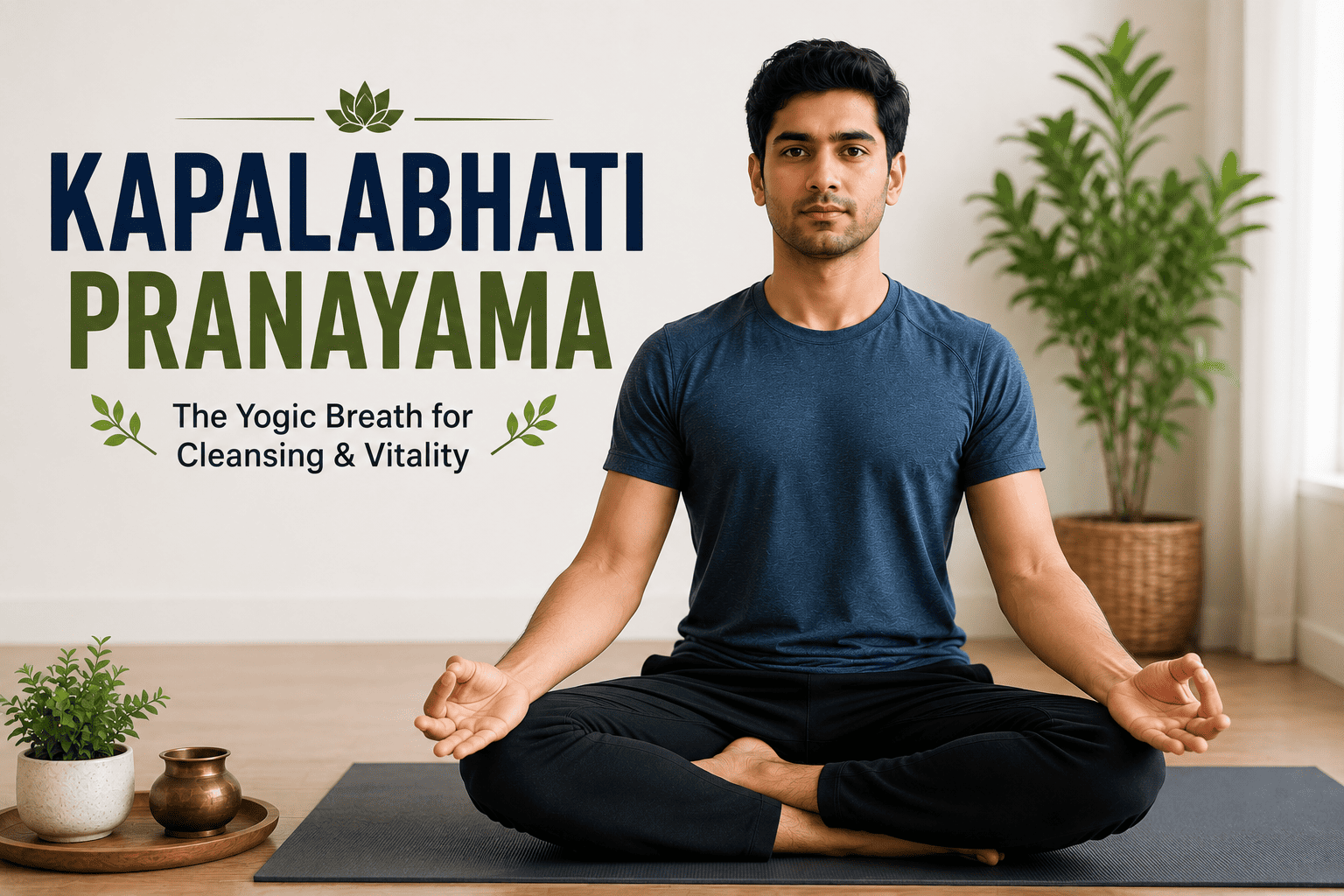
For thousands of years, people have practiced Kapalabhati Pranayama to cleanse the body, improve breathing, and maintain overall health. Ancient yogic texts describe it as a powerful purification technique that helps refresh both the mind and body.
This is not just an old belief—modern research suggests that controlled breathing exercises may help improve lung function, reduce stress, and support overall well-being. By practicing Kapalabhati regularly, many people experience increased energy, better concentration, and a feeling of mental clarity.
Kapalabhati is often called the “Skull Shining Breath” because it is believed to refresh the mind and promote a sense of alertness and vitality.
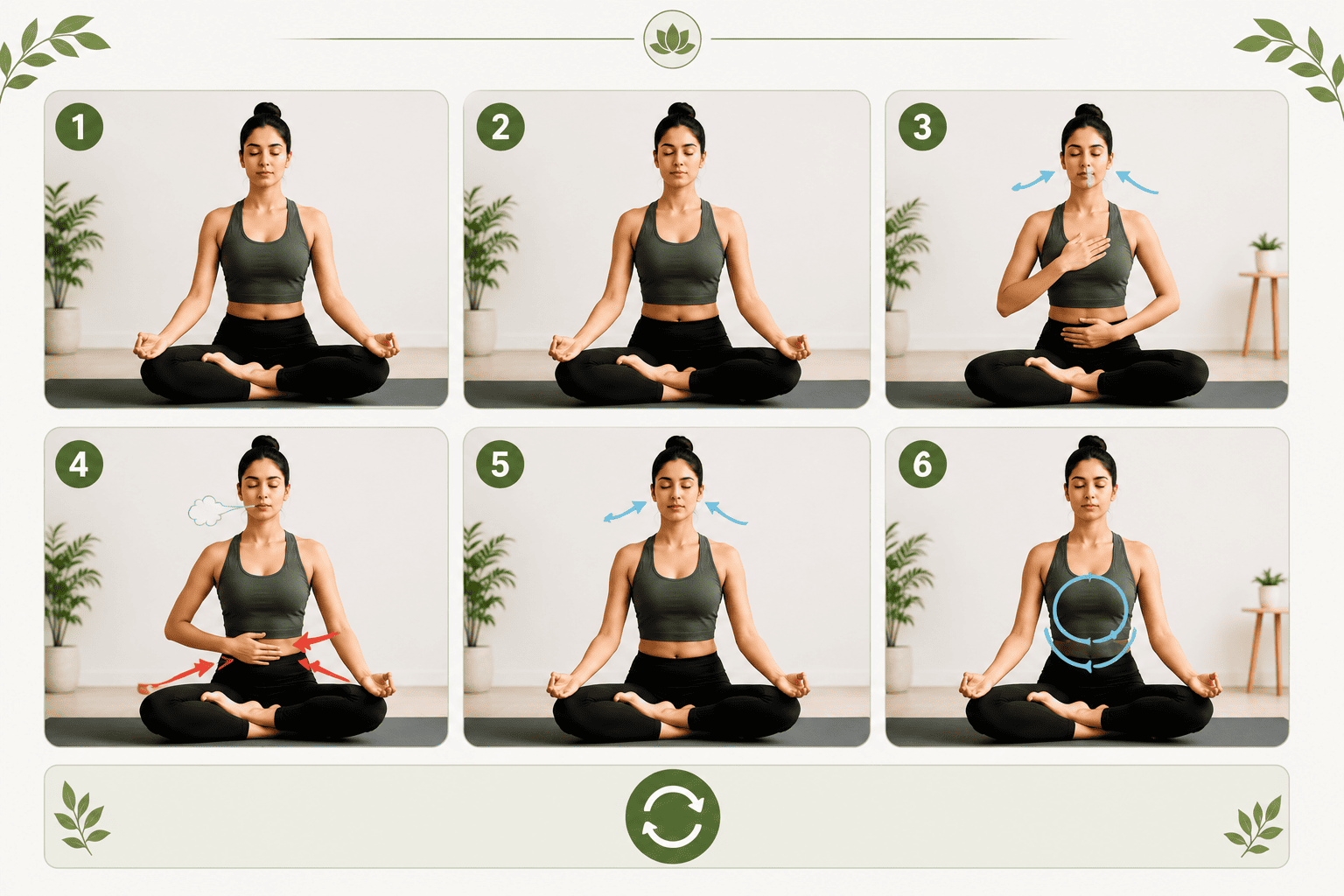
How to Do Kapalabhati Pranayama
Sit comfortably in Padmasana, Sukhasana, or on a chair with your back straight.
2️⃣ Relax your shoulders and place your hands on your knees.
3️⃣ Take a deep breath in through both nostrils.
4️⃣ Forcefully exhale by pulling your stomach inward.
5️⃣ Allow the inhalation to happen naturally without effort.
6️⃣ Continue this rhythmic process at a comfortable pace.
🔄 A series of exhalations and natural inhalations is considered one practice session.
Keep your breathing steady and avoid unnecessary strain.
When & How Many Times?
- Practice every morning on an empty stomach.
- Beginners can start with 20–30 strokes.
- Gradually increase to 50–100 strokes as comfortable.
- Practice for 3–5 minutes daily under proper guidance.
Regular practice may help activate the body’s natural cleansing process and improve breathing efficiency.
Amazing Benefits of Kapalabhati Pranayama
- Helps improve lung capacity and respiratory health.
- Supports healthy digestion and metabolism.
- May help reduce stress, anxiety, and mental fatigue.
- Improves concentration and mental clarity.
- Increases energy and helps reduce laziness.
- Supports natural body detoxification.
- May help strengthen abdominal muscles.
- Promotes better blood circulation.
- Helps improve overall breathing efficiency.
- Supports a healthy and active lifestyle.
What Are the Benefits of Kapalabhati Pranayama?
Regular practice may offer several health benefits:
- Helps improve breathing and lung function.
- Supports digestion and metabolism.
- Reduces stress and promotes relaxation.
- Enhances focus and concentration.
- Increases energy levels naturally.
- May support healthy weight management when combined with a balanced diet and exercise.
- Encourages overall physical and mental well-being.
Important Precautions
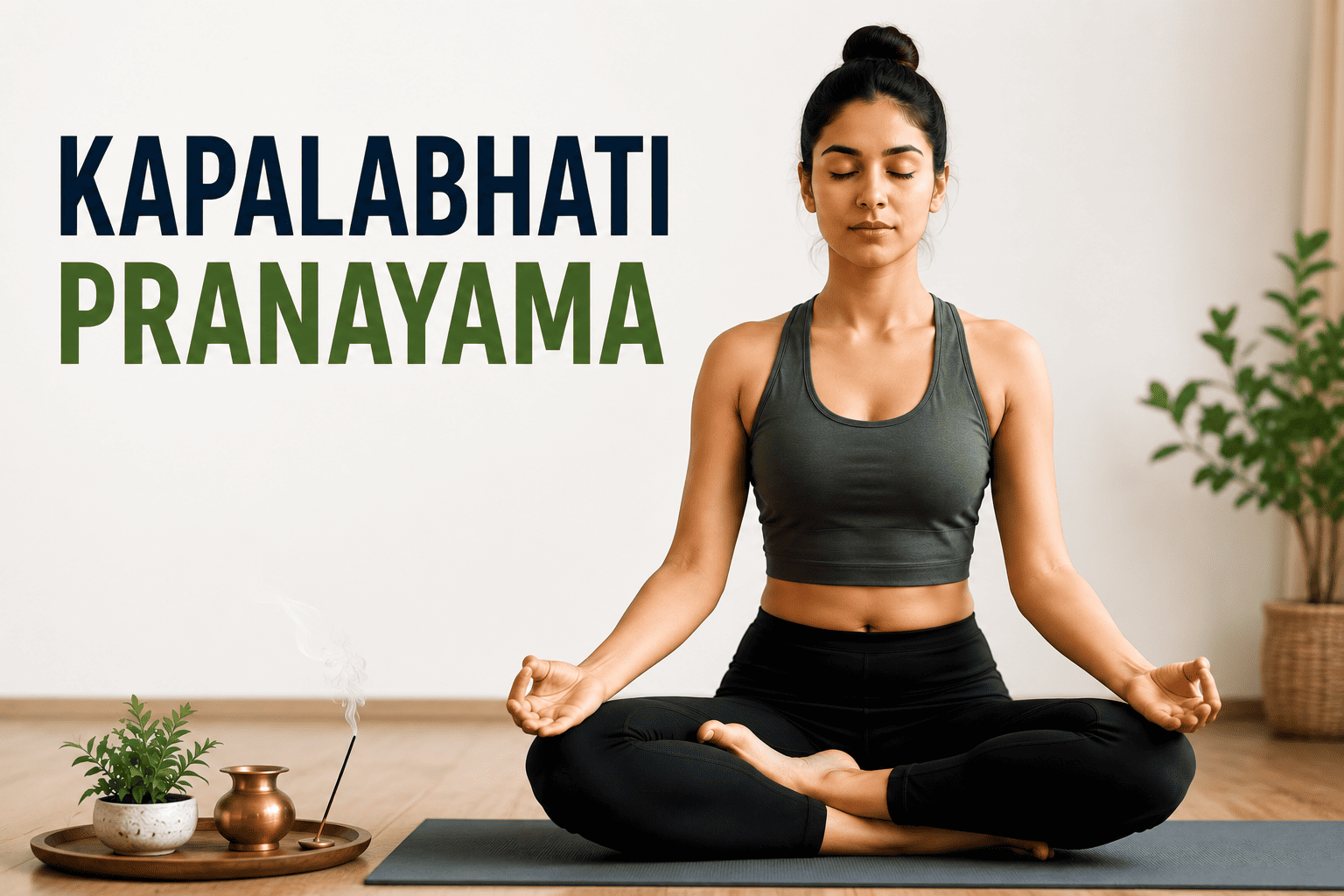
Although Kapalabhati is generally safe for healthy individuals, certain people should avoid or practice it only after consulting a healthcare professional.
Avoid Kapalabhati if you have:
- High blood pressure.
- Serious heart conditions.
- Hernia.
- Recent abdominal surgery.
- Pregnancy.
- Severe respiratory infections.
Always practice gently and stop immediately if you experience dizziness or discomfort.
Final Thoughts
Kapalabhati Pranayama is one of the most popular yogic breathing techniques practiced around the world. Its simple yet powerful breathing pattern may help improve lung health, boost energy, support digestion, and reduce everyday stress. While it is not a substitute for medical treatment, regular practice combined with a healthy lifestyle can contribute to overall wellness.
For the best results, practice Kapalabhati every morning on an empty stomach, maintain proper posture, and combine it with a balanced diet and regular physical activity.
Sit comfortably with your back straight, inhale normally, and forcefully exhale by contracting your abdominal muscles while allowing inhalation to occur naturally.
The ideal time is early in the morning on an empty stomach.
Regular practice may promote relaxation and help manage everyday stress by encouraging mindful breathing.
It may help improve breathing efficiency and lung capacity when practiced correctly and consistently.
Kapalabhati may support metabolism and an active lifestyle, but healthy eating habits and regular exercise remain essential for sustainable weight management.