Table of Contents
ToggleHow to Control High Blood Pressure Naturally
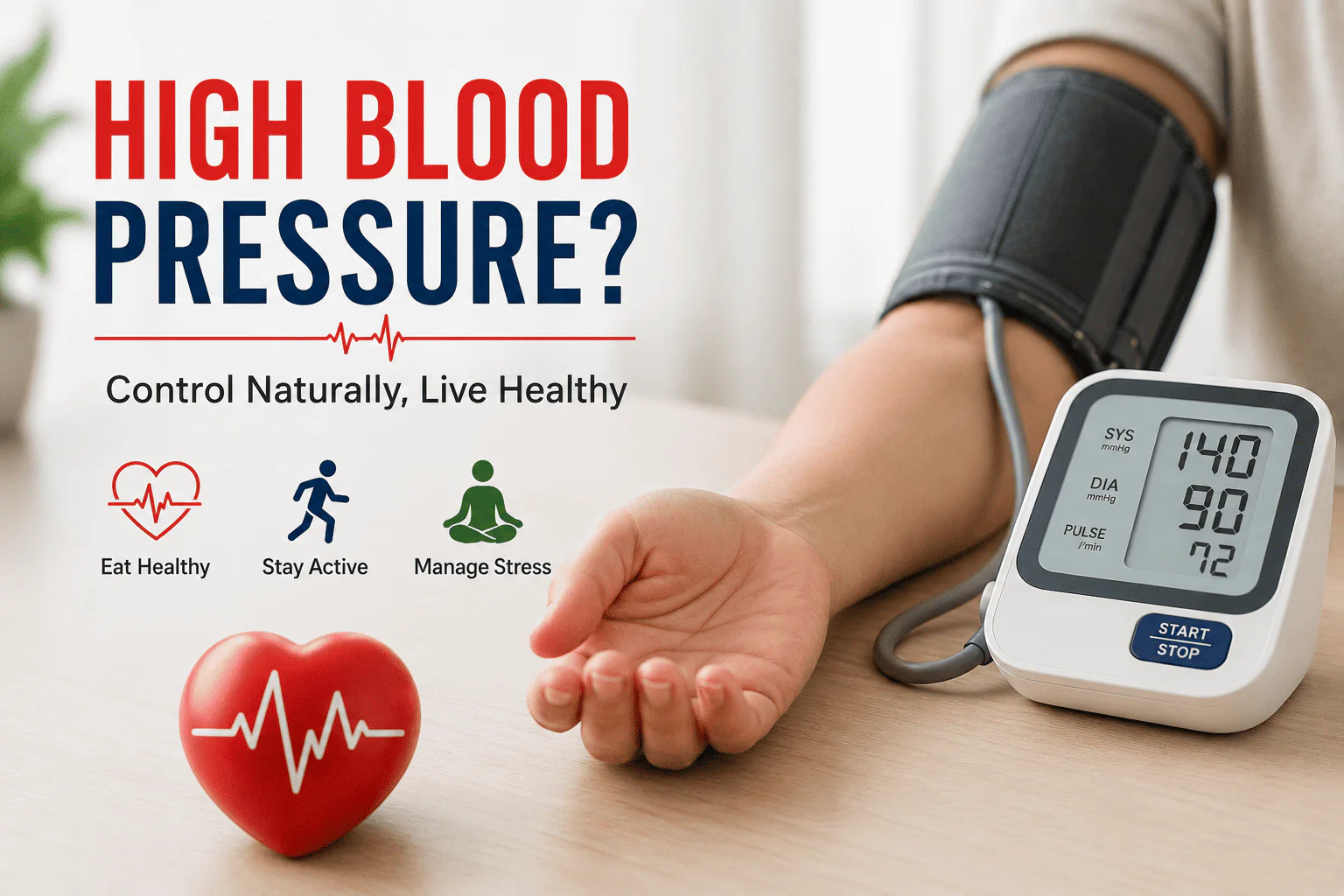
High blood pressure (hypertension) is often called the “silent killer” because it usually has no obvious symptoms while increasing the risk of heart disease, stroke, kidney disease, and other serious health conditions. The good news is that many people can help manage their blood pressure through healthy lifestyle changes alongside any treatment prescribed by their healthcare provider.
If you’re looking for how to control high blood pressure naturally, this guide covers evidence-based home remedies, heart-healthy foods, and daily habits that support healthy blood pressure levels.
Important: Natural remedies can support blood pressure management but should not replace prescribed medications unless your doctor advises otherwise.
What Is High Blood Pressure?
Blood pressure measures the force of blood pushing against your artery walls. It is recorded as two numbers:
- Systolic pressure: Pressure when the heart beats.
- Diastolic pressure: Pressure when the heart rests between beats.
Consistently high readings may indicate hypertension and should be evaluated by a healthcare professional.
Common Risk Factors
High blood pressure may develop due to:
- High sodium intake
- Being overweight or obese
- Lack of physical activity
- Smoking
- Excessive alcohol consumption
- Chronic stress
- Poor sleep
- Family history
- Diabetes
- Kidney disease
- Aging
How to Control High Blood Pressure Naturally
1. Reduce Salt Intake
Eating too much sodium can increase blood pressure in many people.
Tips
- Avoid processed foods.
- Read nutrition labels.
- Cook meals at home.
- Use herbs and spices instead of extra salt.
Aim to keep sodium intake within your healthcare provider’s recommendations.
2. Eat More Potassium-Rich Foods
Potassium helps balance sodium levels and supports healthy blood pressure.
Good sources include:
- Bananas
- Sweet potatoes
- Spinach
- Tomatoes
- Avocados
- Beans
- Yogurt
- Oranges
Note: People with kidney disease should consult their doctor before increasing potassium intake.
3. Follow a Heart-Healthy Diet
Choose nutrient-rich foods such as:
- Fruits
- Vegetables
- Whole grains
- Lean proteins
- Fish
- Beans
- Nuts
- Seeds
- Low-fat dairy
Limit foods high in saturated fat, trans fat, and added sugars.
4. Exercise Regularly
Regular physical activity helps strengthen the heart and improve blood circulation.
Aim for at least 150 minutes of moderate-intensity exercise per week, such as:
- Brisk walking
- Cycling
- Swimming
- Dancing
- Yoga
5. Maintain a Healthy Weight
Even modest weight loss can help lower blood pressure if you’re overweight.
Healthy habits include:
- Balanced meals
- Portion control
- Regular exercise
- Limiting sugary drinks
6. Manage Stress
Long-term stress may contribute to elevated blood pressure.
Try:
- Deep breathing exercises
- Meditation
- Yoga
- Listening to music
- Spending time in nature
- Journaling
7. Get Enough Sleep
Adults should aim for 7–9 hours of quality sleep each night.
Poor sleep has been linked to an increased risk of high blood pressure.
8. Quit Smoking
Smoking damages blood vessels and increases the risk of heart disease.
Quitting smoking is one of the best steps you can take for your heart and overall health.
9. Limit Alcohol Consumption
Excess alcohol can raise blood pressure over time.
If you drink alcohol, do so in moderation according to your healthcare provider’s guidance.
Natural Home Remedies That May Support Healthy Blood Pressure
These remedies may complement a healthy lifestyle but are not substitutes for medical treatment.
Garlic
Garlic contains compounds that may support heart health.
Ways to include it:
- Fresh garlic in meals
- Roasted garlic
- Garlic-based recipes
Hibiscus Tea
Some research suggests hibiscus tea may help support healthy blood pressure in certain individuals.
Drink 1–2 cups daily if recommended by your healthcare provider.
Beetroot Juice
Beetroot contains natural nitrates that may help support blood vessel function.
Enjoy fresh beetroot juice without added sugar.
Flaxseeds
Flaxseeds provide fiber and omega-3 fatty acids.
Sprinkle ground flaxseeds on:
- Oatmeal
- Yogurt
- Smoothies
- Salads
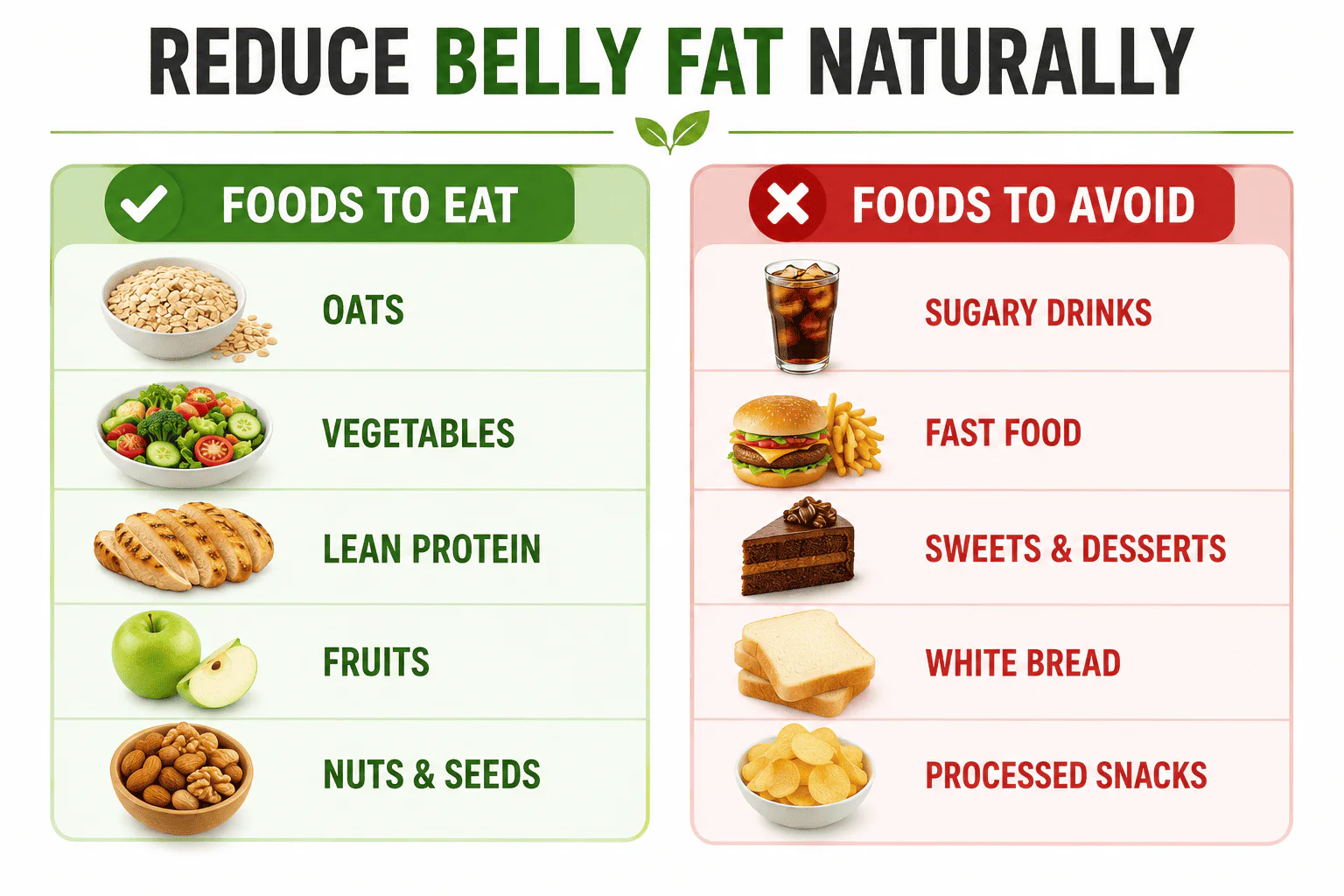
Foods That May Help Support Healthy Blood Pressure
Include these foods regularly:
- Leafy green vegetables
- Bananas
- Oats
- Berries
- Garlic
- Tomatoes
- Fatty fish (salmon, sardines)
- Beans
- Lentils
- Nuts
- Seeds
- Olive oil
Foods to Limit
Reduce consumption of:
- Processed foods
- Packaged snacks
- Instant noodles
- Processed meats
- Sugary drinks
- Fried foods
- Foods high in saturated fat
Daily Habits for Better Heart Health
- Check your blood pressure regularly.
- Stay physically active.
- Drink enough water.
- Eat balanced meals.
- Reduce stress.
- Avoid tobacco products.
- Take medications exactly as prescribed.
When to See a Doctor
Seek medical advice if you:
- Consistently have elevated blood pressure readings.
- Experience severe headaches, chest pain, shortness of breath, vision changes, or dizziness.
- Are pregnant and develop high blood pressure.
- Have diabetes, kidney disease, or heart disease.
Call emergency services immediately if you have symptoms such as severe chest pain, sudden weakness, difficulty speaking, or signs of a stroke.
Conclusion
Learning how to control high blood pressure naturally starts with making healthier everyday choices. Eating a heart-friendly diet, limiting salt, staying active, managing stress, maintaining a healthy weight, and getting quality sleep can all support healthy blood pressure. While natural remedies like garlic, hibiscus tea, and beetroot juice may provide additional benefits, they should be used alongside—not instead of—professional medical care and prescribed medications.
Frequently Asked Questions (FAQs)
Healthy eating, regular exercise, maintaining a healthy weight, reducing sodium, managing stress, and getting enough sleep can help manage blood pressure. Some people may still need medication.
Water is the best everyday choice. Unsweetened hibiscus tea and beetroot juice may also support heart health as part of a balanced diet.
Some studies suggest garlic may have modest blood pressure benefits, but it should not replace prescribed treatment.
The timeline varies. Lifestyle changes may begin to show benefits within weeks, but consistency and medical follow-up are essential.