Table of Contents
ToggleHome Remedies for Gas and Acidity: Simple Tips for Better Digestion
How to Keep Your Teeth Healthy Naturally
Maintaining healthy teeth starts with simple, consistent daily habits. A good oral-care routine helps remove plaque, supports healthy gums, and lowers the risk of common dental problems. Natural lifestyle habits can complement dental hygiene, but they should never replace proven practices such as brushing with fluoride toothpaste, cleaning between teeth, and visiting a dentist regularly.
Why Is Daily Dental Care Important?
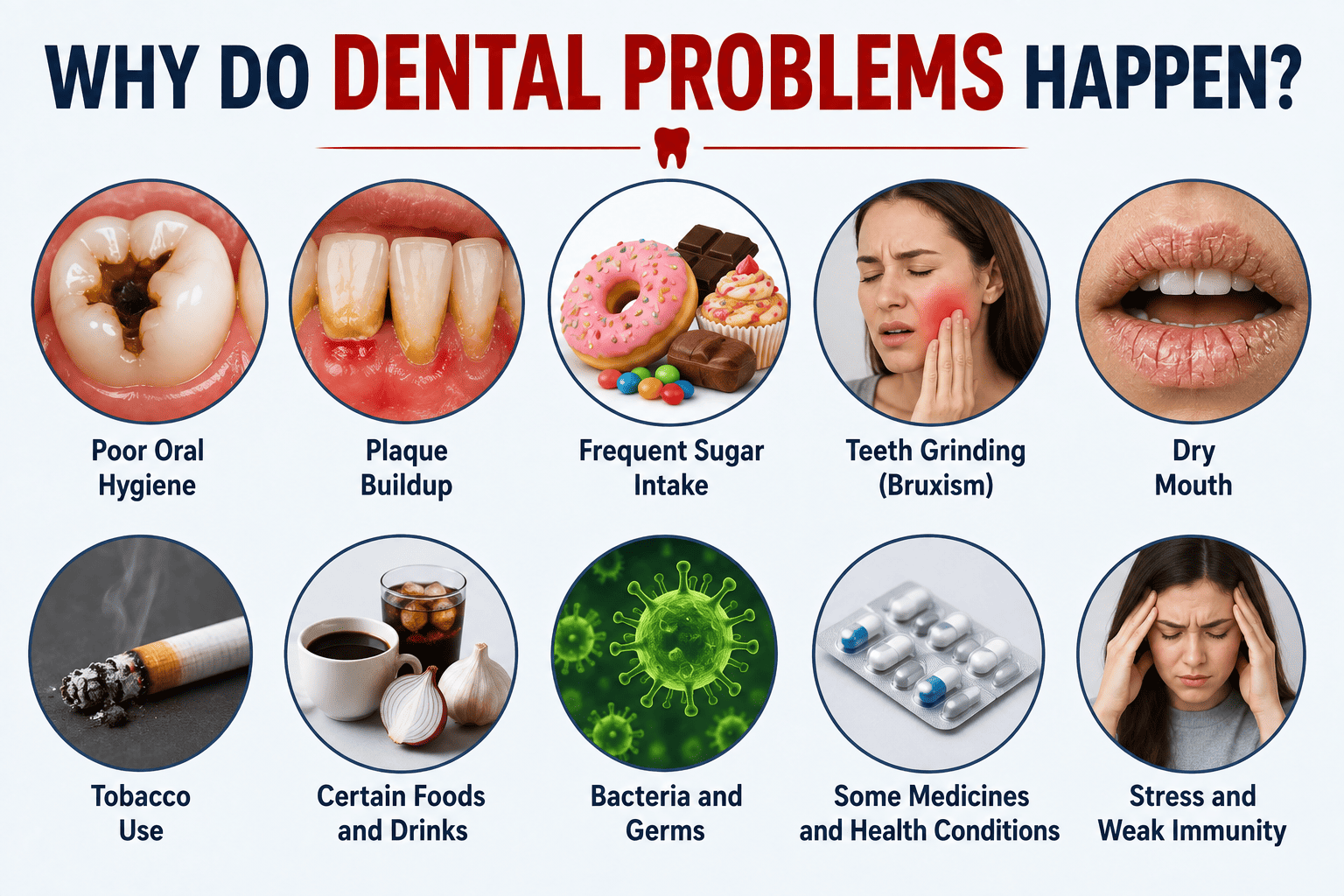
Food particles and bacteria accumulate in the mouth throughout the day. If plaque is not removed regularly, it can contribute to tooth decay and gum problems. Practising good oral hygiene helps keep your teeth and gums clean and healthy.
1. Brush Your Teeth Twice a Day
Brush your teeth twice daily for around two minutes using a soft-bristled toothbrush and fluoride toothpaste. Gently clean all tooth surfaces, including the front, back, chewing areas, and along the gumline.
2. Clean Between Your Teeth Daily
A toothbrush cannot effectively reach every space between your teeth. Use dental floss or a dentist-recommended interdental cleaner to remove trapped food particles and plaque from these areas.
3. Drink Plenty of Water
Drinking water throughout the day helps rinse away food particles and dilute acids in your mouth. Choosing water instead of sugary beverages can also help reduce your teeth’s exposure to sugar.
4. Eat a Balanced, Tooth-Friendly Diet
A balanced diet supports overall health, including the health of your teeth and gums. Include a variety of vegetables, fruits, whole grains, protein-rich foods, nuts, seeds, and suitable dairy products in your meals.
5. Reduce Sugary Snacks and Drinks
Eating or drinking sugary items frequently can expose your teeth to sugar throughout the day. Try to keep sweets occasionally and drink water afterward to help rinse your mouth.
6. Avoid Using Your Teeth as Tools
Your teeth are designed for chewing, not opening packages or bottles. Using them to bite hard objects or tear packaging can lead to chipped, cracked, or damaged teeth. Always use the right tool for the job.
7. Protect Your Teeth During Sports
Physical activities and contact sports can put your teeth at risk of injury. Wearing a properly fitted mouthguard can help protect your teeth during sports and other high-impact activities.
8. Pay Attention to Bleeding Gums
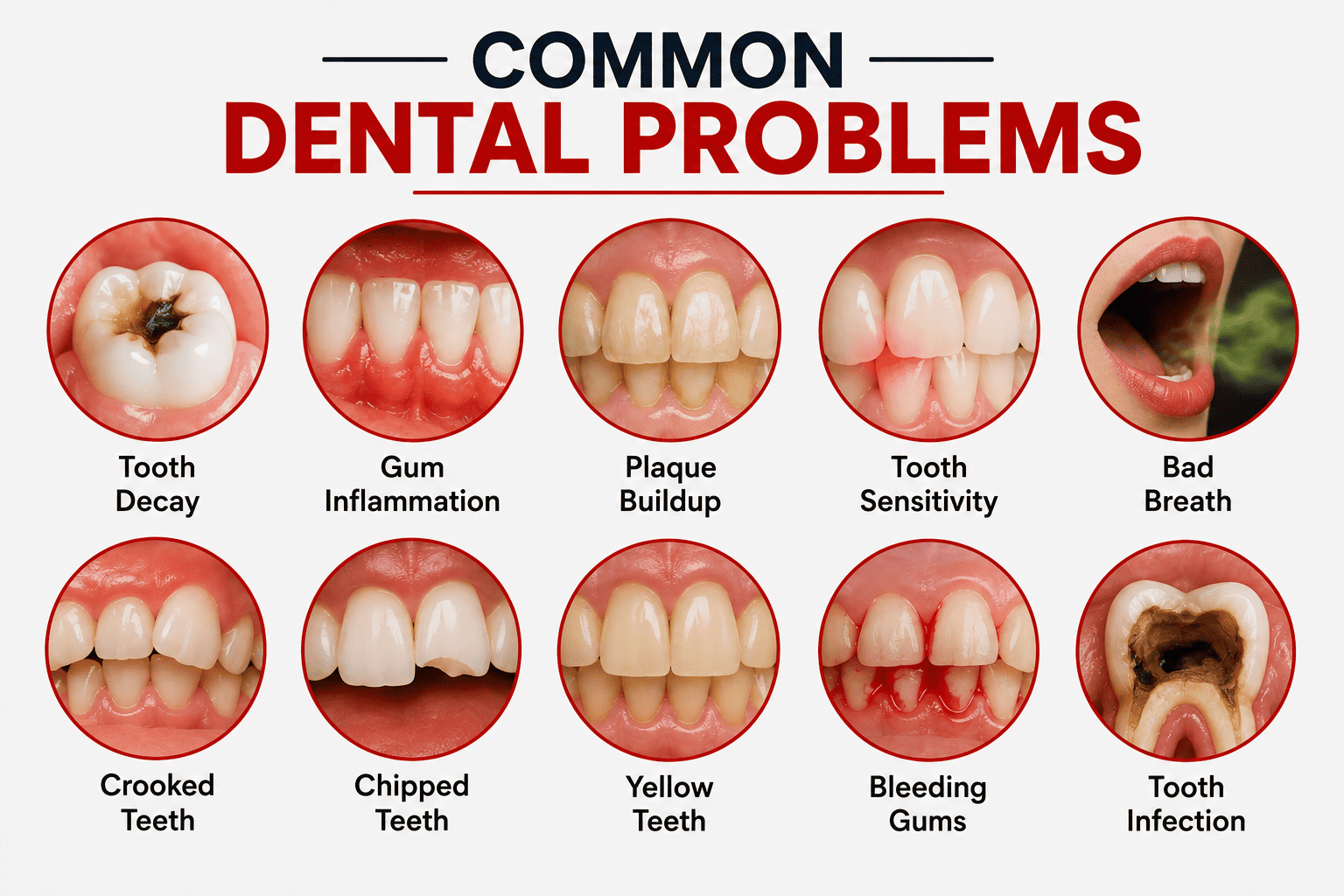
Gums that bleed regularly should not be ignored. If you notice frequent bleeding, especially when brushing or cleaning between your teeth, consult a dentist. Persistent bleeding may require professional evaluation.
9. Replace Your Toothbrush When Needed
A toothbrush with worn or damaged bristles may not clean your teeth effectively. Replace your toothbrush or brush head when the bristles become frayed, or follow the manufacturer’s recommended replacement schedule.
10. Visit Your Dentist Regularly
Regular dental checkups help identify potential problems that may not be easy to notice at home. Your dentist can also recommend a suitable oral-care routine based on your individual needs.
Can Natural Remedies Replace Regular Brushing?
No. Natural ingredients and healthy lifestyle habits may complement your oral-care routine, but they cannot replace brushing with fluoride toothpaste, cleaning between your teeth, or professional dental care.
Be careful when using home remedies, especially acidic or abrasive ingredients, as they may damage tooth enamel or irritate your gums.
A Simple Daily Dental Care Routine
Following a consistent routine can make it easier to maintain healthy teeth and gums.
Morning:
- Brush your teeth for about two minutes with fluoride toothpaste.
- Gently clean your tongue.
During the day:
- Drink water regularly.
- Limit sugary snacks and drinks.
Night:
- Clean between your teeth using floss or an appropriate interdental cleaner.
- Brush your teeth before going to bed.
Final Thoughts
Keeping your teeth healthy does not require a complicated routine. Consistent oral-care habits can make a meaningful difference over time. Brush twice a day with fluoride toothpaste, clean between your teeth, drink water, choose a balanced diet, limit sugary foods and drinks, and visit your dentist regularly.
Remember, natural habits work best when combined with proven dental hygiene practices and professional care.
Frequently Asked Questions (FAQs)
You can support healthy teeth by brushing twice daily with fluoride toothpaste, cleaning between your teeth, drinking water, eating a balanced diet, limiting sugary foods and drinks, and attending regular dental checkups.
A balanced diet that includes vegetables, fruits, whole grains, protein-rich foods, nuts, seeds, and suitable dairy products can support overall oral health. Try to limit frequent consumption of sugary snacks and drinks.
Brushing twice a day is an important part of oral hygiene, but it is not the only step. Cleaning between your teeth daily and having regular dental checkups are also important for maintaining healthy teeth and gums
Drinking water helps rinse away food particles and dilute acids in the mouth. Choosing water instead of sugary drinks can also reduce frequent sugar exposure and support a healthy oral-care routine.
No. Natural remedies should not replace fluoride toothpaste. Brush twice daily with fluoride toothpaste and follow your dentist’s advice for maintaining good oral health.
About the Author
HealthCureRemedies Editorial Team
The HealthCureRemedies Editorial Team creates easy-to-understand health and wellness content covering hair care, skin care, nutrition, lifestyle, exercise, and everyday self-care.
Our articles are developed through research using publicly available and reputable health information sources. Content is edited for clarity and reviewed for responsible health communication before publication.
We aim to explain health and wellness topics in simple language without presenting home remedies, exercises, or lifestyle practices as guaranteed treatments or cures.
Editorial Approach
Our content focuses on general educational information and everyday wellness practices. We encourage readers to follow established healthcare guidance and consult qualified professionals when they have specific health concerns.
Important Note
This article is intended for general informational purposes only. It is not a substitute for professional dental advice, diagnosis, or treatment. Consult a qualified dentist for personalised guidance regarding your oral health.