Table of Contents
ToggleHow to Prevent Cavities Naturally
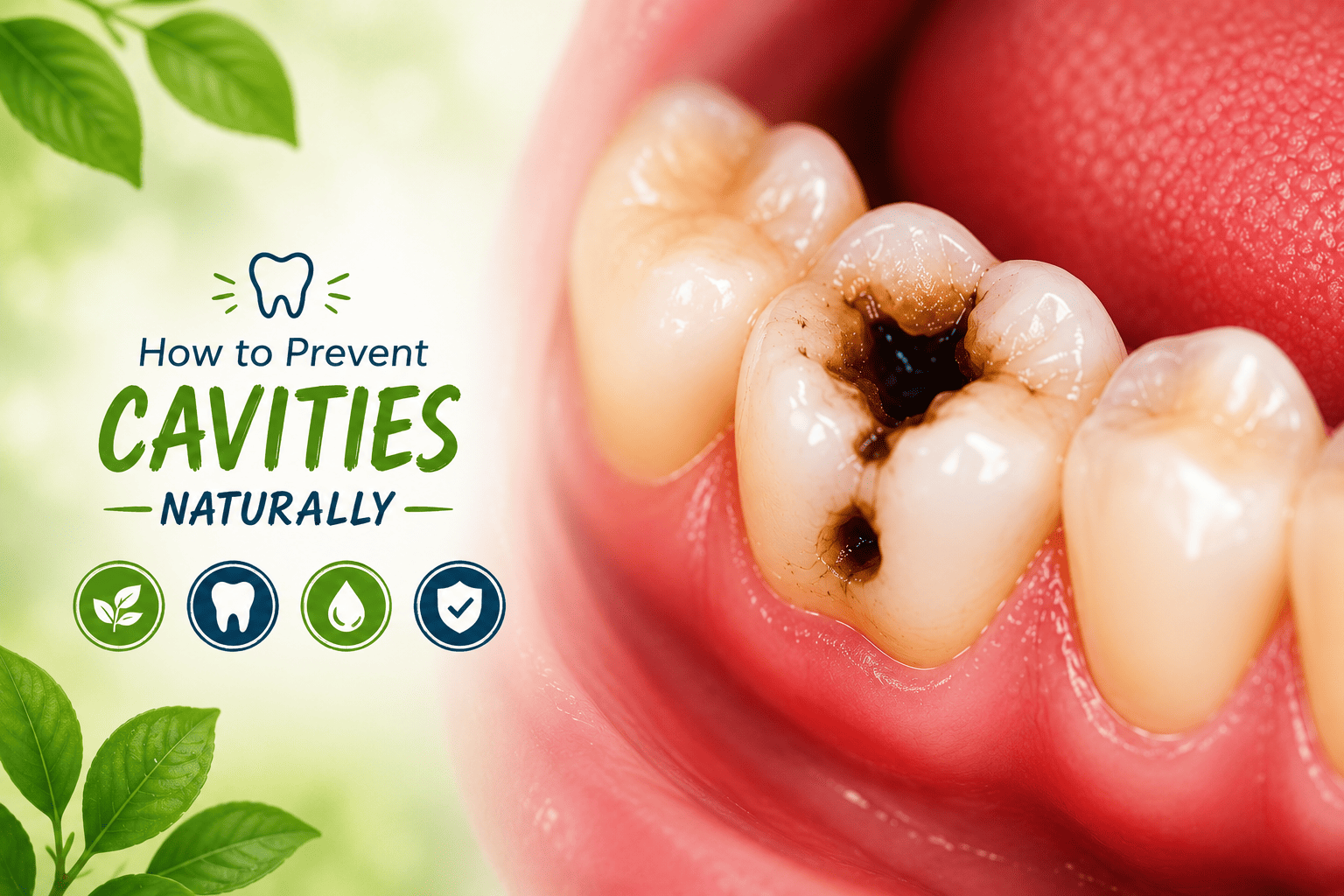
Cavities are one of the most common dental problems affecting both children and adults. They develop when bacteria in the mouth produce acids that gradually damage tooth enamel. Although cavities cannot always be prevented completely, healthy daily habits and good oral hygiene can significantly reduce your risk.
If you’re looking for natural ways to support strong, healthy teeth, these simple tips can help protect your smile.
What Causes Cavities?
Several factors contribute to tooth decay, including:
- Poor oral hygiene
- Frequent sugary foods and drinks
- Plaque buildup
- Dry mouth
- Frequent snacking
- Not getting enough fluoride
- Skipping regular dental checkups
Understanding these causes is the first step toward preventing cavities naturally.
Natural Ways to Help Prevent Cavities
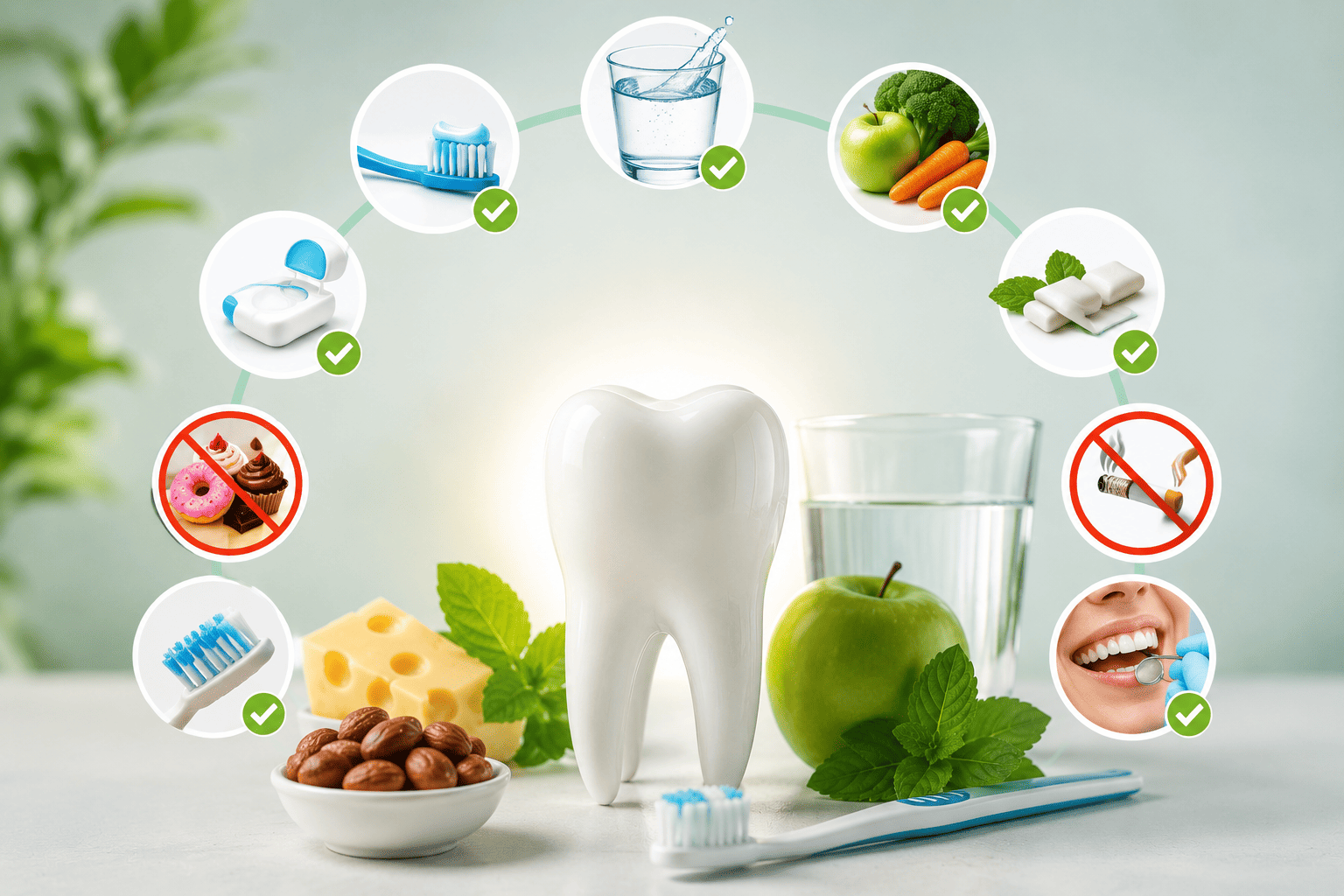
1. Brush Your Teeth Twice a Day
Brush your teeth for at least two minutes every morning and before bed using a soft-bristled toothbrush and fluoride toothpaste. Proper brushing helps remove plaque and food particles that can lead to tooth decay.
2. Floss Every Day
Flossing removes plaque and food debris from between the teeth where a toothbrush cannot reach. Daily flossing supports healthy gums and helps reduce the risk of cavities between teeth.
3. Limit Sugary Foods and Drinks
Sugar feeds the bacteria that produce acids responsible for tooth decay. Try to reduce:
- Candy
- Cookies
- Cakes
- Soda
- Sweetened coffee
- Sports drinks
Instead, choose healthier snacks like fresh fruits, vegetables, cheese, or unsalted nuts.
4. Drink Plenty of Water
Water helps wash away food particles and bacteria while supporting saliva production. Saliva naturally protects teeth by neutralizing acids in the mouth.
If available in your area, fluoridated tap water may provide additional protection against cavities.
5. Eat Tooth-Friendly Foods
Certain foods help support healthy teeth, including:
- Milk
- Cheese
- Plain yogurt
- Leafy green vegetables
- Apples
- Carrots
- Celery
- Almonds
- Salmon
These foods provide important nutrients such as calcium, phosphorus, and vitamin D that support strong teeth.
6. Chew Sugar-Free Gum
Chewing sugar-free gum after meals stimulates saliva production, which helps rinse away acids and food particles.
Choose gum sweetened with xylitol whenever possible.
7. Avoid Frequent Snacking
Every time you eat, acids form in your mouth. Constant snacking gives these acids less time to neutralize, increasing the risk of tooth decay.
Try to eat balanced meals instead of grazing throughout the day.
8. Replace Your Toothbrush Regularly
Replace your toothbrush or toothbrush head every 3–4 months, or sooner if the bristles become worn.
9. Avoid Smoking and Tobacco Products
Smoking and tobacco use can increase the risk of gum disease, tooth discoloration, and other oral health problems.
10. Visit Your Dentist Regularly
Professional dental cleanings and routine checkups help detect early signs of cavities before they become more serious.
Daily Habits for Strong, Healthy Teeth
- Brush twice daily.
- Floss once a day.
- Drink water regularly.
- Eat a balanced diet.
- Limit sugary snacks.
- Avoid tobacco products.
- Schedule regular dental checkups.
Common Mistakes That Increase the Risk of Cavities
- Brushing too quickly
- Skipping flossing
- Drinking sugary beverages frequently
- Going to bed without brushing
- Using a worn-out toothbrush
- Ignoring early tooth sensitivity
When Should You See a Dentist?
Schedule a dental appointment if you notice:
- Tooth pain
- Sensitivity to hot or cold foods
- Visible holes in a tooth
- Dark spots on teeth
- Swollen gums
- Persistent bad breath
Early treatment may help prevent more extensive dental problems.
Final Thoughts
Preventing cavities naturally starts with consistent oral hygiene, a balanced diet, and healthy daily habits. Brushing, flossing, drinking plenty of water, limiting sugar, and visiting your dentist regularly can all help support long-term oral health. Small daily changes can make a big difference in keeping your teeth strong and your smile healthy.
Good oral hygiene, a healthy diet, fluoride exposure, and regular dental care can significantly reduce the risk of cavities.
Calcium-rich foods, leafy greens, cheese, yogurt, crunchy vegetables, and water-rich fruits support healthy teeth.
Yes. Water helps rinse away food particles, supports saliva production, and fluoridated water may help strengthen tooth enamel.
Sugar-free gum, especially those containing xylitol, may help stimulate saliva production and support oral health after meals.
Most adults benefit from a dental checkup and professional cleaning every six months, although your dentist may recommend a different schedule based on your individual oral health.