Table of Contents
ToggleHome Remedies for Toothache Relief
A toothache can make it difficult to eat, sleep, or concentrate on daily activities. Tooth pain may result from cavities, gum problems, a cracked tooth, or food trapped between the teeth. While home remedies cannot treat the underlying cause of a toothache, they may provide temporary relief until you can see a dentist.
If your tooth pain is severe, lasts more than a day or two, or is accompanied by swelling or fever, seek professional dental care as soon as possible.
Common Causes of Toothache
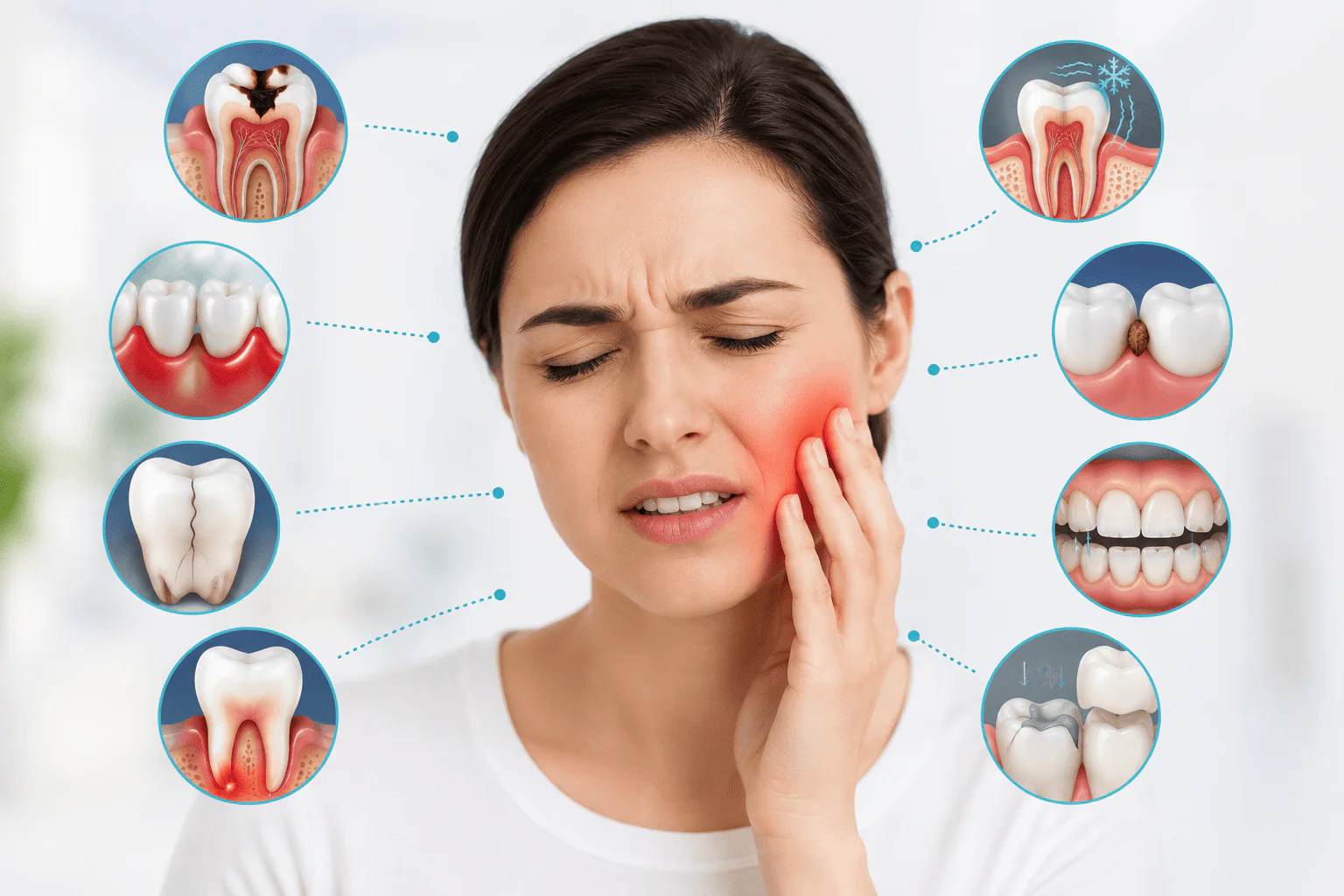
A toothache may be caused by:
- Tooth decay (cavities)
- Gum disease
- Cracked or chipped teeth
- Tooth infection
- Sensitive teeth
- Food stuck between teeth
- Teeth grinding
- Loose fillings or crowns
Identifying the cause is important because different dental problems require different treatments.
Natural Home Remedies for Toothache Relief
1. Warm Salt Water Rinse
A salt water rinse is one of the easiest home remedies for temporary toothache relief. It helps clean the mouth and may reduce irritation.
How to Use:
- Mix ½ teaspoon of salt in a glass of warm water.
- Swish the solution around your mouth for 30 seconds.
- Spit it out.
- Repeat 2–3 times a day.
2. Cold Compress
If your toothache is caused by swelling or injury, applying a cold compress to the outside of your cheek may help reduce discomfort.
How to Use:
- Wrap an ice pack in a towel.
- Apply it to the affected side of your face for 15–20 minutes.
- Repeat every few hours as needed.
3. Clove Oil
Clove oil contains eugenol, a natural compound traditionally used to temporarily numb tooth pain.
How to Use:
- Dilute one drop of clove oil with a carrier oil.
- Apply it gently to the affected tooth using a cotton swab.
- Avoid swallowing the oil.
4. Peppermint Tea Bag
A cooled peppermint tea bag may provide a soothing effect for sensitive gums and mild tooth discomfort.
How to Use:
- Steep a peppermint tea bag.
- Let it cool until warm or slightly chilled.
- Place it on the painful area for several minutes.
5. Garlic
Garlic has been used in traditional home remedies for its natural antimicrobial properties.
How to Use:
- Crush one fresh garlic clove.
- Mix it with a small pinch of salt.
- Apply it carefully near the affected tooth for a few minutes.
- Rinse your mouth afterward.
6. Keep Your Mouth Clean
Brush gently with a soft-bristled toothbrush and floss carefully to remove any food particles that may be causing irritation.
Foods to Eat During a Toothache
Choose soft foods that are easier to chew, such as:
- Yogurt
- Mashed potatoes
- Oatmeal
- Scrambled eggs
- Soup
- Smoothies
- Applesauce
Avoid very hot, cold, sugary, or hard foods until your tooth feels better.
Habits That May Worsen Tooth Pain
- Eating sugary snacks
- Chewing on the painful side
- Drinking extremely hot or cold beverages
- Ignoring persistent pain
- Skipping oral hygiene
Tips to Help Prevent Toothaches
- Brush twice daily with fluoride toothpaste.
- Floss every day.
- Limit sugary foods and drinks.
- Drink plenty of water.
- Visit your dentist regularly for checkups and cleanings.
- Replace your toothbrush every 3–4 months.
When Should You See a Dentist?
Home remedies may provide temporary comfort, but you should contact a dentist if you have:
- Severe tooth pain
- Swelling in the face or gums
- Fever
- Pus around the tooth
- A broken tooth
- Pain lasting more than 48 hours
- Difficulty swallowing or breathing
Final Thoughts
Home remedies for toothache relief may help reduce discomfort temporarily, but they do not replace professional dental treatment. Salt water rinses, cold compresses, clove oil, peppermint tea, and good oral hygiene may provide short-term relief while you arrange a dental appointment. Taking care of your teeth every day is the best way to reduce the risk of future toothaches.
A warm salt water rinse and a cold compress are among the most commonly recommended home remedies for temporary toothache relief.
Clove oil may provide temporary pain relief because it contains eugenol, a natural compound with numbing properties.
Some mild toothaches may improve, but persistent or severe pain should be evaluated by a dentist to identify and treat the underlying cause.
Avoid sugary foods, sticky candies, hard snacks, and extremely hot or cold foods that may worsen tooth sensitivity.
Seek immediate dental care if your toothache is accompanied by severe swelling, fever, difficulty breathing or swallowing, or uncontrolled bleeding.