Table of Contents
ToggleBest Food Sources of Vitamin D
Vitamin D is an essential nutrient that helps your body absorb calcium, maintain strong bones, support muscle function, and keep your immune system healthy. Despite its importance, vitamin D deficiency is common worldwide and often goes unnoticed because symptoms can develop gradually.
If left untreated, low vitamin D levels may increase the risk of bone disorders, muscle weakness, and other health problems. The good news is that vitamin D deficiency can often be prevented or improved through safe sun exposure, a balanced diet, and supplements when recommended by a healthcare provider.
In this guide, you’ll learn about vitamin D deficiency symptoms, causes, and the best food sources to help maintain healthy vitamin D levels naturally.
Disclaimer: This article is for educational purposes only and should not replace professional medical advice. If you suspect vitamin D deficiency, consult your healthcare provider for testing and treatment.
What Is Vitamin D?
Vitamin D is a fat-soluble vitamin that helps your body:
- Absorb calcium and phosphorus
- Build and maintain strong bones
- Support muscle function
- Promote immune health
- Maintain normal nerve function
Your body produces vitamin D when your skin is exposed to sunlight, and you can also obtain it from certain foods and supplements.
Symptoms of Vitamin D Deficiency
Vitamin D deficiency may not cause noticeable symptoms at first. As levels decrease, symptoms may include:
- Constant tiredness or fatigue
- Bone pain
- Muscle weakness
- Muscle aches or cramps
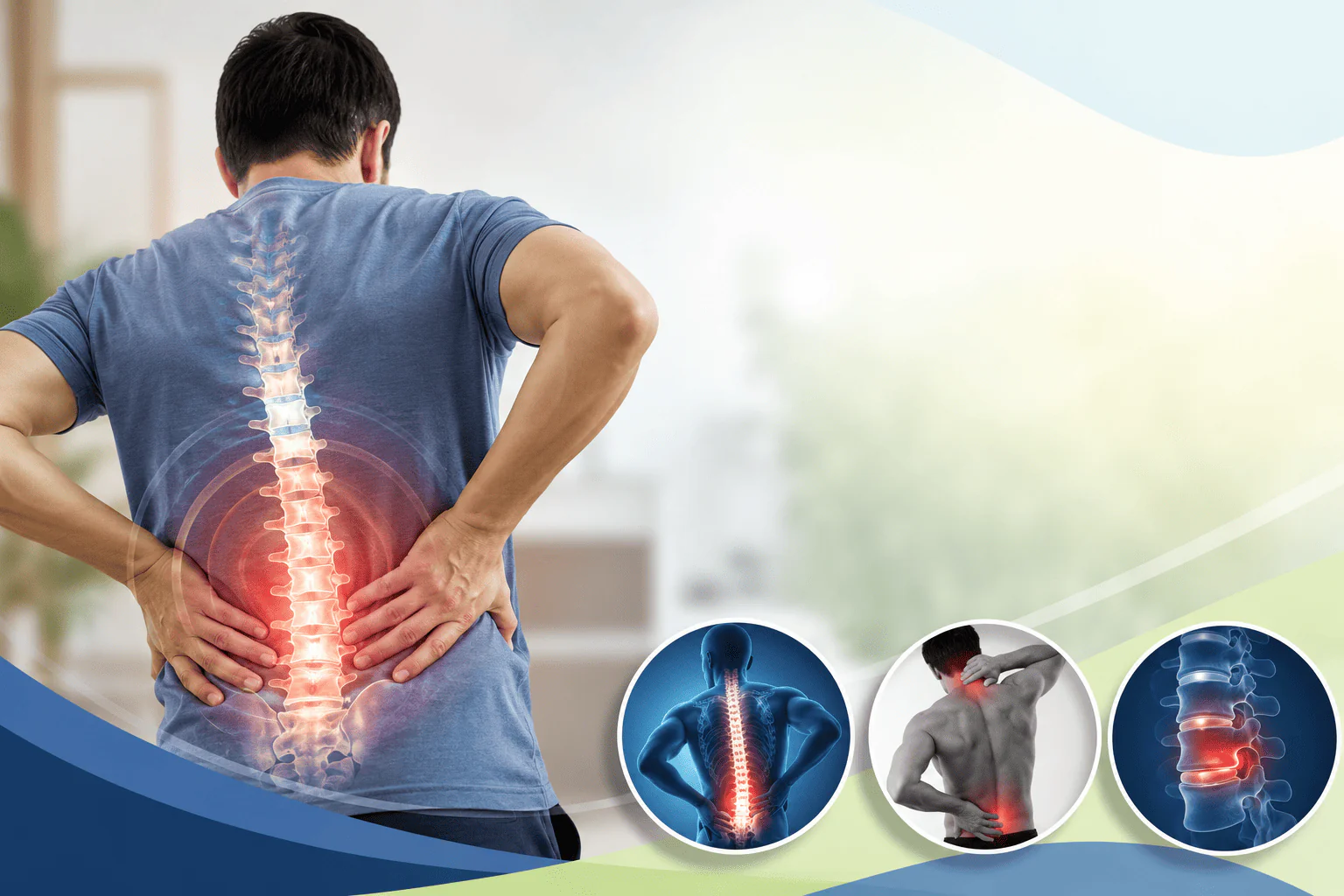
- Back pain
- Frequent illnesses or infections
- Slow wound healing
- Hair thinning (may have multiple causes)
- Low mood or depression
- Increased risk of bone fractures
Children with severe deficiency may develop rickets, while adults may develop osteomalacia.
Common Causes of Vitamin D Deficiency
Several factors can contribute to low vitamin D levels, including:
1. Limited Sun Exposure
People who spend most of their time indoors or regularly use sun protection may produce less vitamin D.
2. Low Dietary Intake
A diet lacking vitamin D-rich foods may contribute to deficiency.
3. Darker Skin Tone
Higher levels of melanin reduce the skin’s ability to produce vitamin D from sunlight.
4. Older Age
As people age, the skin becomes less efficient at producing vitamin D.
5. Obesity
Vitamin D can become stored in body fat, making less available for the body’s needs.
6. Digestive Disorders
Conditions such as celiac disease, Crohn’s disease, or inflammatory bowel disease can reduce vitamin D absorption.
7. Kidney or Liver Disease
These organs help convert vitamin D into its active form.
Best Food Sources of Vitamin D
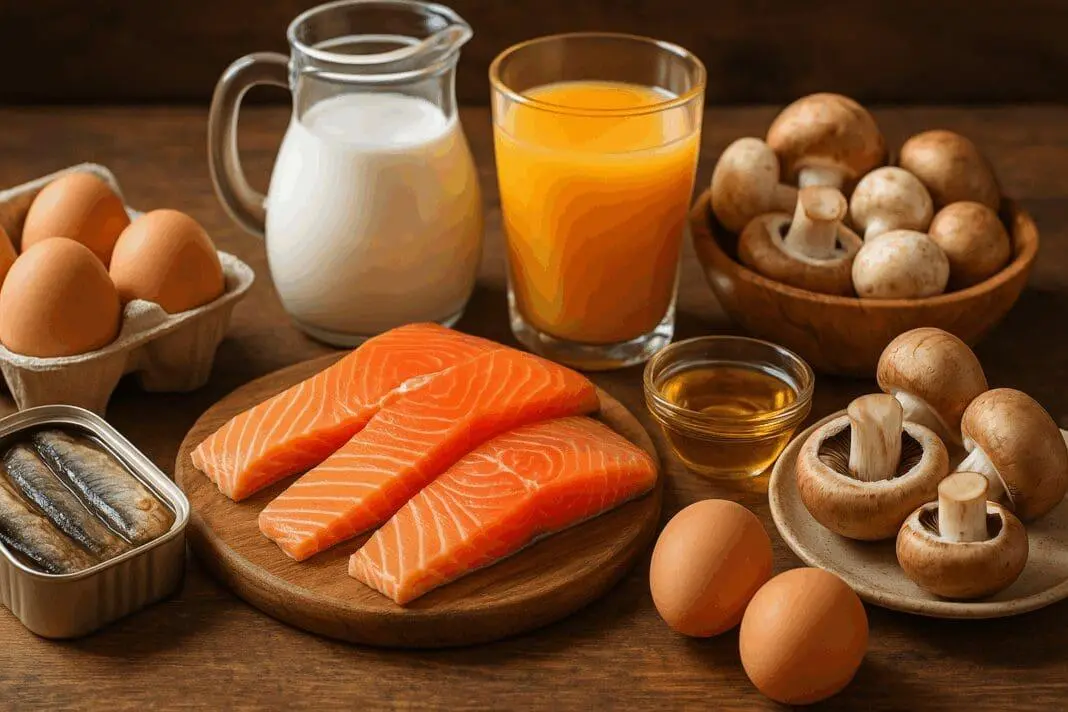
Although sunlight is the primary source, several foods naturally contain vitamin D.
1. Fatty Fish
Excellent sources include:
- Salmon
- Sardines
- Mackerel
- Tuna
- Trout
These fish also provide heart-healthy omega-3 fatty acids.
2. Egg Yolks
Egg yolks contain small amounts of vitamin D along with protein and healthy fats.
3. Fortified Milk
Many dairy products are fortified with vitamin D.
Examples include:
- Cow’s milk
- Plant-based milk (fortified)
- Yogurt
Always check the nutrition label.
4. Fortified Breakfast Cereals
Many cereals are fortified with vitamin D and other essential nutrients.
Choose varieties with less added sugar.
5. Mushrooms
Some mushrooms exposed to ultraviolet (UV) light contain vitamin D.
Examples:
- White mushrooms
- Portobello mushrooms
- Shiitake mushrooms (UV-exposed)
6. Cheese
Certain cheeses contain small amounts of vitamin D and calcium.
Consume in moderation because some varieties are high in saturated fat and sodium.
7. Cod Liver Oil
Cod liver oil is naturally rich in vitamin D and vitamin A.
Use only according to recommended dosages, as excessive intake can be harmful.
Foods That Support Bone Health
Along with vitamin D-rich foods, include:
- Milk
- Yogurt
- Cheese
- Leafy green vegetables
- Almonds
- Tofu
- Sardines
- Calcium-fortified foods
Vitamin D and calcium work together to maintain healthy bones.
Lifestyle Tips to Prevent Vitamin D Deficiency
- Eat vitamin D-rich foods regularly.
- Include calcium-rich foods in your diet.
- Stay physically active.
- Spend safe time outdoors.
- Follow your healthcare provider’s advice regarding supplements.
- Maintain a healthy body weight.
When Are Vitamin D Supplements Needed?
Some people may require supplements, including:
- Older adults
- People with limited sun exposure
- Individuals with darker skin living in areas with less sunlight
- People with certain digestive disorders
- Those diagnosed with vitamin D deficiency through blood tests
Only take supplements in the dosage recommended by your healthcare provider.
Frequently Asked Questions (FAQs)
Common early symptoms include fatigue, muscle weakness, bone pain, and frequent infections, although many people have no symptoms.
Fatty fish such as salmon, sardines, and mackerel are among the richest natural food sources of vitamin D.
Yes. Sunlight helps your body produce vitamin D naturally, but the amount needed varies based on individual and environmental factors.
Many people can improve vitamin D levels through safe sun exposure, vitamin D-rich foods, and supplements when prescribed by a healthcare provider.
When to See a Doctor
Consult a healthcare professional if you:
- Have persistent fatigue or muscle weakness.
- Experience unexplained bone pain.
- Have repeated fractures.
- Suspect vitamin D deficiency.
- Have conditions affecting nutrient absorption.
A simple blood test can confirm vitamin D levels and guide treatment.
Conclusion
Understanding vitamin D deficiency symptoms, causes, and the best food sources can help you take steps to protect your health. Eating foods like fatty fish, fortified dairy products, eggs, mushrooms, and cereals, along with safe sun exposure and an active lifestyle, can support healthy vitamin D levels. If you suspect a deficiency, seek medical advice for proper testing and personalized treatment.