Table of Contents
ToggleNatural Face Packs for Glowing Skin: 6 Simple Homemade Recipes
Best Natural Face Packs for Glowing Skin
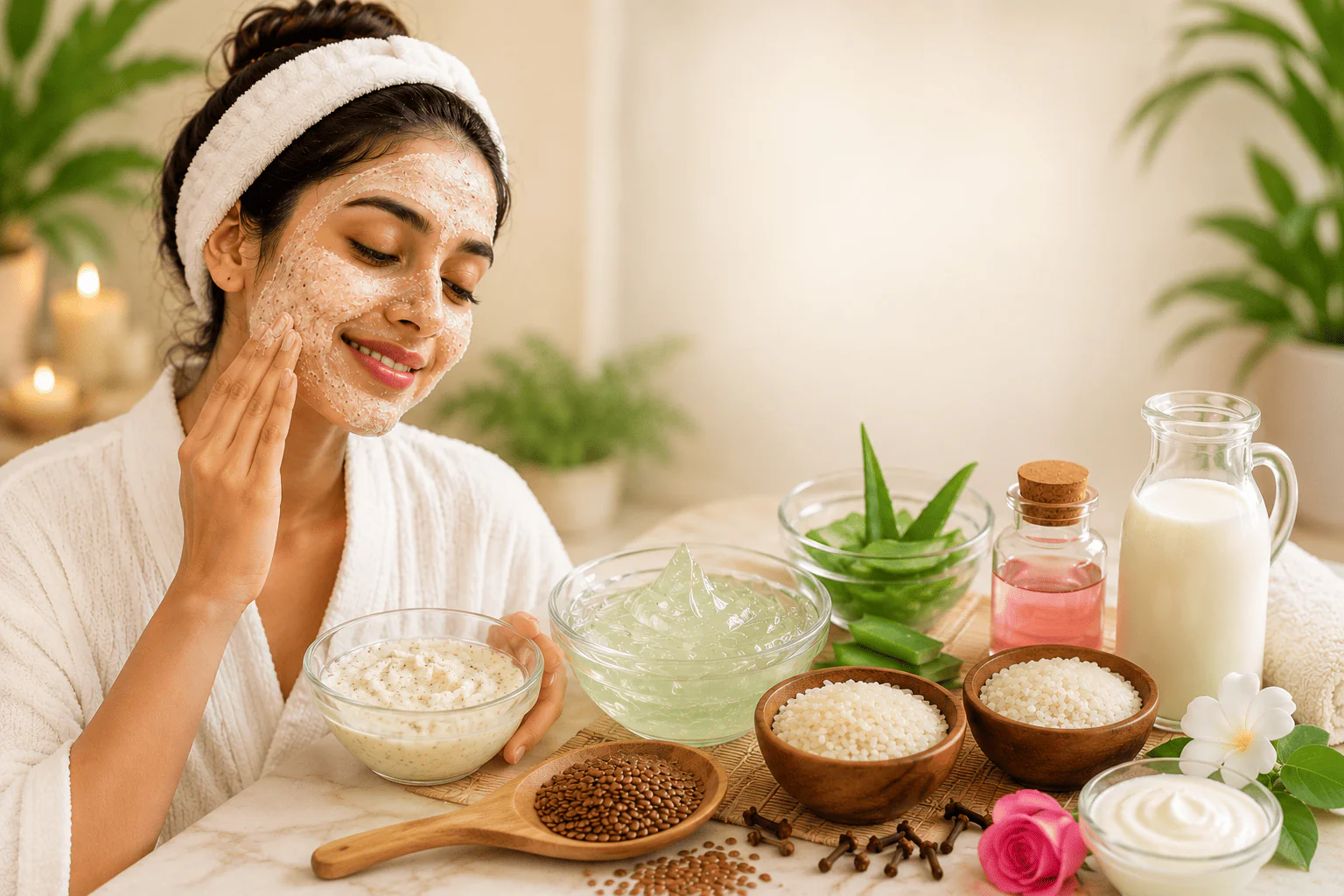
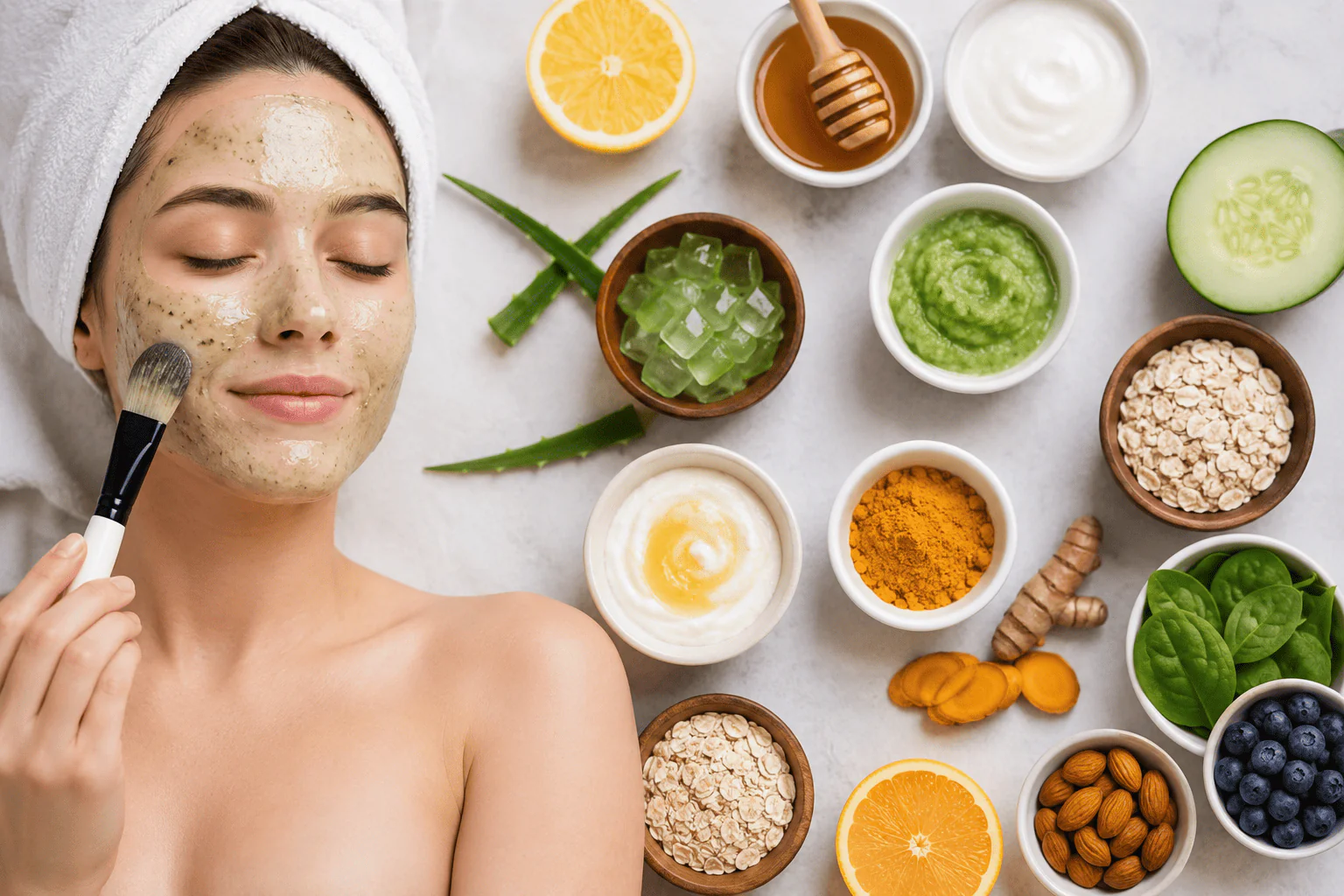
If you want to refresh your skincare routine without using too many products, natural face packs made from simple ingredients can be an option to explore.
Ingredients such as honey, yogurt, aloe vera, cucumber, and oatmeal are commonly used in homemade skincare routines. Depending on your skin type and the ingredients used, these face packs may help moisturize, soothe, or temporarily refresh the skin.
However, natural ingredients are not automatically safe for everyone. Some ingredients can irritate sensitive skin, and homemade face packs are not a guaranteed solution for acne, pigmentation, or other skin concerns.
The good thing is that you can keep your skincare routine simple. In this guide, we’ll explore some best natural face packs for glowing skin, how to prepare them, and healthy habits that can support your skin’s overall appearance.
Why Use Natural Face Packs?
Natural face packs are popular because they are easy to prepare and can be included in a simple skincare routine.
Depending on the ingredients, a face pack may help:
- Add temporary moisture to dry-looking skin.
- Make the skin feel refreshed and comfortable.
- Provide a soothing skincare experience.
- Help soften the appearance of dry skin.
- Support a relaxing self-care routine.
However, homemade face packs do not replace a regular skincare routine. Cleansing, moisturizing, and using sunscreen are important parts of everyday skin care.
Remember: Natural face packs may support the appearance and comfort of your skin, but they cannot guarantee a brighter complexion or treat every skin concern.
Best Natural Face Packs for Glowing Skin
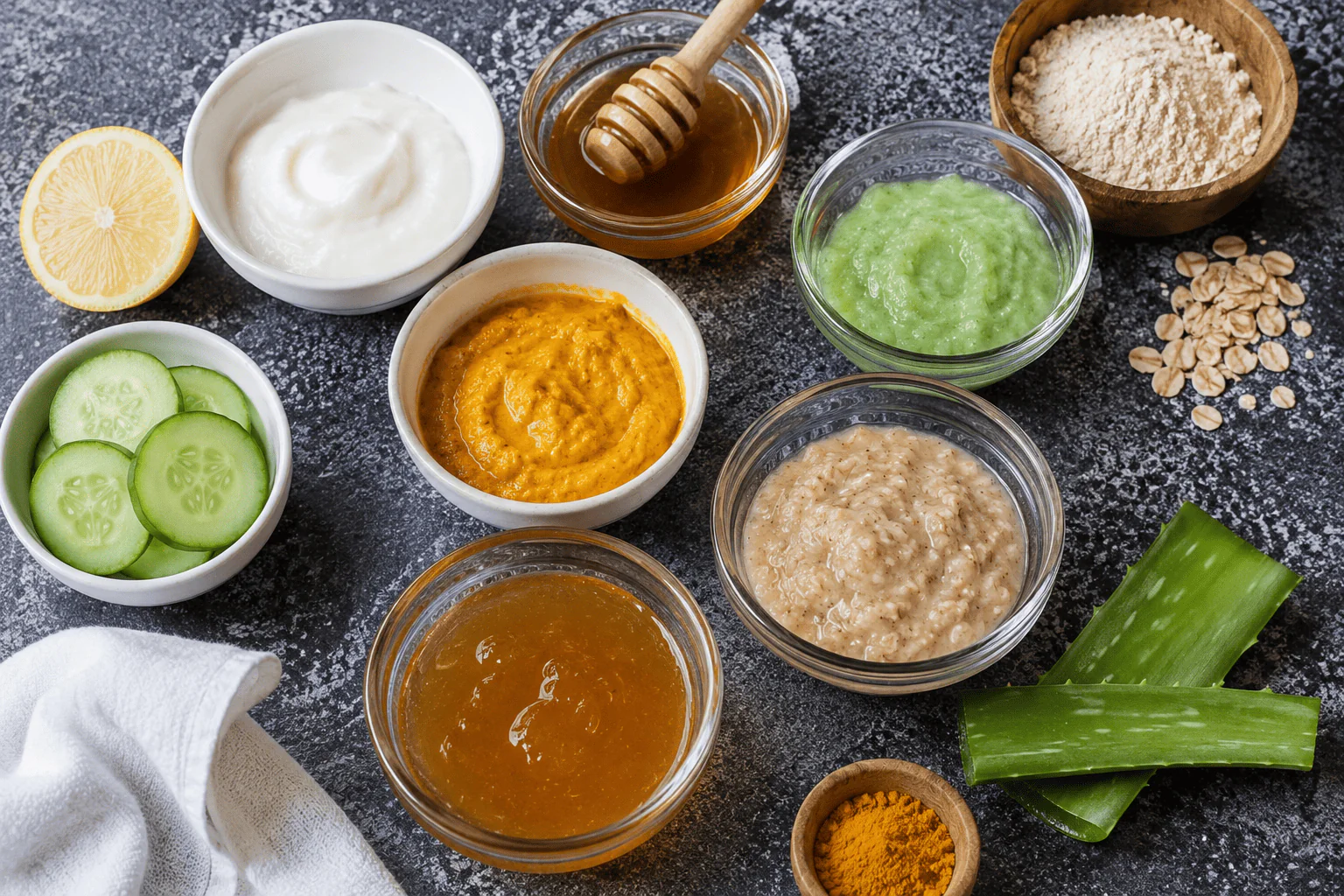
Here are six popular homemade face pack options using ingredients commonly found in many kitchens.
1. Honey Face Pack
Honey is a natural humectant, meaning it can help attract and retain moisture. It is commonly used in skincare products and homemade face care routines.
A simple honey face pack may help leave the skin feeling soft and moisturized.
Ingredients:
- 1 teaspoon of plain honey
How to Use:
- Start with a clean face.
- Apply a thin layer of honey to your skin, avoiding the eyes and lips.
- Leave it on for approximately 10 minutes.
- Rinse gently with lukewarm water.
- Pat your face dry with a clean towel.
Skin Care Tip: Use plain honey rather than honey mixed with fragrance or other unnecessary ingredients. Avoid it if you have a known allergy to honey or bee products.
2. Yogurt and Honey Face Pack
Plain yogurt contains lactic acid, an ingredient used in some skincare products for exfoliation. However, the concentration and effects of lactic acid in homemade yogurt are not standardized.
Honey can help provide moisture, making this combination a popular DIY skincare option.
Ingredients:
- 1 tablespoon of plain, unsweetened yogurt
- 1 teaspoon of honey
How to Use:
- Mix the yogurt and honey in a clean bowl.
- Apply a thin layer to clean skin.
- Leave it on for around 5–10 minutes.
- Rinse thoroughly with lukewarm water.
- Apply a gentle moisturizer afterward.
Skin Care Tip: Avoid this face pack if dairy products irritate your skin or if you have a known allergy to any ingredient. Do not use it on broken or irritated skin.
3. Aloe Vera Face Pack
Aloe vera is widely used in skincare products because of its moisturizing and soothing properties. Some people find aloe vera gel refreshing when applied to their skin.
However, individual reactions can vary, and aloe vera is not a guaranteed treatment for acne, dark spots, or other skin conditions.
Ingredients:
- A small amount of plain aloe vera gel
How to Use:
- Clean your face with a gentle cleanser.
- Apply a thin layer of plain aloe vera gel.
- Leave it on for approximately 10–15 minutes.
- Rinse with cool or lukewarm water.
- Follow with your regular moisturizer if needed.
Skin Care Tip: Choose a fragrance-free product intended for topical use, or use properly prepared aloe vera gel. Avoid the yellow latex layer found beneath the leaf’s outer skin, as it can cause irritation.
4. Turmeric and Yogurt Face Pack
Turmeric is a traditional ingredient used in many homemade skincare routines. Yogurt is also commonly used because of its creamy texture.
Although turmeric is often promoted for skin brightening, a homemade turmeric face pack is not a proven treatment for pigmentation or uneven skin tone.
Ingredients:
- 1 tablespoon of plain yogurt
- A very small pinch of turmeric powder
How to Use:
- Mix the yogurt and turmeric in a clean bowl.
- Apply a thin layer to a small area of skin first.
- If there is no irritation, apply a small amount to your face.
- Leave it on for approximately 5–10 minutes.
- Rinse thoroughly with lukewarm water.
Skin Care Tip: Turmeric may temporarily stain the skin or clothing. Avoid this face pack if turmeric irritates your skin, and do not apply it to broken or inflamed areas.
5. Cucumber Face Pack
Cucumber contains a high amount of water and is commonly used in refreshing skincare routines.
A cucumber face pack may help the skin feel cool and refreshed, especially when your face feels tired or dry.
Ingredients:
- A few slices of fresh cucumber
How to Use:
- Wash the cucumber thoroughly.
- Blend or finely grate it into a smooth paste.
- Apply a small amount to clean skin.
- Leave it on for around 10 minutes.
- Rinse gently with cool water.
Skin Care Tip: Use freshly prepared cucumber and avoid storing homemade mixtures for later use. Stop using it if you notice itching, redness, or irritation.
6. Oatmeal and Honey Face Pack
Oatmeal is used in some skincare products because certain forms of oats can help soothe and moisturize dry, itchy skin.
Honey can help add moisture, making this combination a popular choice for a simple self-care routine.
Ingredients:
- 1 tablespoon of finely ground plain oatmeal
- 1 teaspoon of honey
- A little water, if needed
How to Use:
- Mix the oatmeal and honey in a clean bowl.
- Add a small amount of water to create a soft paste.
- Apply gently to clean skin without rubbing.
- Leave it on for approximately 10 minutes.
- Rinse carefully with lukewarm water.
Skin Care Tip: Use finely ground oats rather than coarse oatmeal to reduce friction. Avoid scrubbing the mixture into your face, especially if your skin is sensitive.
Foods That Support Healthy-Looking Skin
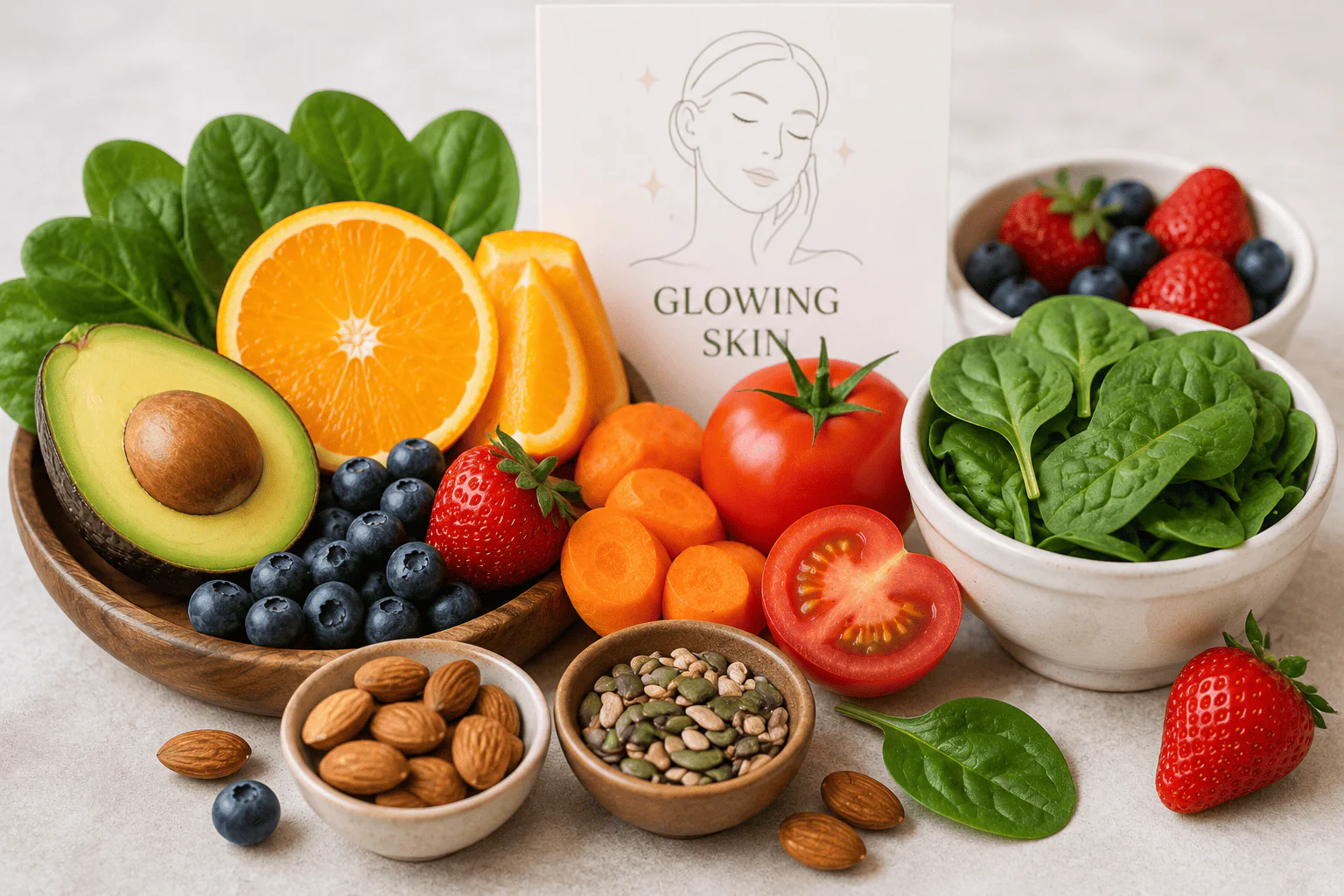
Healthy-looking skin is supported by more than topical skincare. A balanced diet provides nutrients that help your body maintain normal skin function.
Consider including a variety of foods such as:
- Oranges and berries: Provide vitamin C and other nutrients.
- Carrots and sweet potatoes: Contain beta-carotene, which the body can convert into vitamin A.
- Tomatoes: Provide vitamin C and other plant compounds.
- Spinach and leafy greens: Supply vitamins and minerals.
- Nuts and seeds: Provide healthy fats and other nutrients.
- Avocados: Contain unsaturated fats and various nutrients.
No single food guarantees glowing skin. A varied, balanced diet is more useful than relying on one particular ingredient or food.
Daily Habits for Naturally Glowing Skin
A consistent skincare routine and healthy daily habits can help maintain your skin’s overall appearance.
1. Cleanse Your Face Gently
Use a gentle cleanser suited to your skin type. Avoid excessive washing or harsh scrubbing, which can leave your skin feeling dry or irritated.
2. Moisturize Regularly
A suitable moisturizer helps maintain the skin’s moisture barrier. Choose a product that feels comfortable and works well for your skin type.
3. Use Sunscreen Daily
Sun exposure can contribute to sunburn, premature skin aging, and changes in pigmentation.
Apply a broad-spectrum sunscreen with SPF 30 or higher to exposed skin, and reapply as directed on the product label.
4. Drink Enough Water
Staying hydrated supports overall health. Drinking additional water beyond your body’s needs, however, is not a guaranteed way to make your skin glow.
5. Get Adequate Sleep
Consistent, sufficient sleep supports overall well-being and can help you maintain a more regular self-care routine.
6. Eat a Balanced Diet
Include a variety of fruits, vegetables, whole grains, protein sources, and healthy fats to support your body’s nutritional needs.
7. Manage Everyday Stress
Relaxation, physical activity, hobbies, and adequate rest may help you manage everyday stress and maintain healthy routines.
Common Mistakes to Avoid
Homemade skincare can be enjoyable, but some common mistakes may irritate your skin.
Using Lemon Juice Directly on the Face
Lemon juice is acidic and may cause irritation. Citrus juice on the skin can also increase the risk of a reaction to sunlight.
Avoid applying lemon juice directly to your face as a DIY brightening treatment.
Applying Too Many Ingredients at Once
Mixing several ingredients makes it harder to identify what caused irritation if your skin reacts.
Start with a simple formula and introduce only one new ingredient at a time.
Scrubbing the Skin Too Hard
Rubbing your face aggressively can damage or irritate the skin’s protective barrier.
Apply face packs gently and rinse without scrubbing.
Expecting Instant Results
A single face pack will not permanently change your complexion or remove pigmentation.
Focus on consistent, gentle skin care rather than expecting dramatic changes overnight.
Ignoring Your Skin Type
An ingredient that feels comfortable on one person’s skin may irritate another person’s skin.
Choose skincare products and routines according to your individual skin needs.
Safety Tips for Using Natural Face Packs
Although natural ingredients are popular in DIY skincare, they can still cause irritation or allergic reactions.
Keep these precautions in mind:
- Perform a patch test before trying a new ingredient.
- Avoid ingredients that have caused a reaction in the past.
- Do not apply face packs to broken, inflamed, or irritated skin.
- Keep homemade mixtures away from your eyes and lips.
- Avoid harsh scrubbing and excessive exfoliation.
- Prepare fresh mixtures and discard leftovers.
- Stop using a face pack if you experience burning, itching, swelling, or redness.
- Seek medical advice if you develop a persistent or severe skin reaction.
For sensitive skin or an existing skin condition, consult a qualified dermatologist before experimenting with homemade skincare remedies.
How Long Does It Take to See Results?
There is no fixed timeline for seeing results from natural face packs.
Some people may notice that their skin feels temporarily softer or more refreshed after using a moisturizing ingredient. Other concerns, such as persistent dryness, acne, or pigmentation, may require a different approach.
Your experience can depend on factors such as:
- Your skin type and sensitivity.
- The ingredients you use.
- Your regular skincare routine.
- Sun exposure.
- Existing skin concerns.
- Individual reactions to ingredients.
Rather than focusing only on how quickly your skin looks brighter, pay attention to whether your routine keeps your skin comfortable, moisturized, and free from irritation.
Final Thoughts
Best natural face packs for glowing skin are a popular choice for people who want to add a simple self-care step to their skincare routine.
Ingredients such as honey, yogurt, aloe vera, turmeric, cucumber, and oatmeal are commonly used in homemade face packs. Depending on the ingredient and your skin type, they may help moisturize, soothe, or temporarily refresh your skin.
However, natural remedies are not guaranteed treatments for acne, pigmentation, or other skin concerns. It is important to choose ingredients carefully, perform patch tests, and avoid anything that causes irritation.
For healthy-looking skin, focus on the bigger picture: cleanse gently, moisturize regularly, use sunscreen, eat a balanced diet, get adequate sleep, and maintain a consistent skincare routine.
Start with simple ingredients, pay attention to how your skin responds, and remember that healthy skin does not need to look perfect to be beautiful.
There is no single face pack that works best for everyone. Honey, aloe vera, cucumber, and oatmeal are popular ingredients in homemade skincare routines. Choose an option that suits your skin and does not cause irritation.
If your skin tolerates a simple face pack, occasional use may be sufficient. Start with once a week and observe how your skin responds. Avoid frequent use if you experience dryness or irritation.
Natural face packs may temporarily improve the appearance of dry or dull-looking skin by adding moisture. However, they are not proven to permanently lighten your natural skin tone or reliably treat pigmentation.
Aloe vera is commonly used in skincare for its moisturizing and soothing properties. Some people find it refreshing, but individual reactions vary. Patch-test it before applying it to your face.
Daily use is generally unnecessary and may irritate some people’s skin, especially when the ingredients are acidic, abrasive, or otherwise unsuitable. Start slowly and stop if your skin becomes uncomfortable.
About the Author
HealthCureRemedies Editorial Team
The HealthCureRemedies Editorial Team creates easy-to-understand health and wellness content covering hair care, skin care, nutrition, lifestyle, exercise, and everyday self-care.
Our articles aim to explain health and wellness topics in a clear, reader-friendly way while avoiding exaggerated claims or promises of guaranteed results.
Editorial Approach
Our content is developed using relevant health and wellness information and presented in a practical, accessible format.
We aim to provide readers with useful educational information while encouraging responsible skincare and healthy lifestyle habits.
Important Note
HealthCureRemedies provides general educational information and does not offer individual medical diagnosis or treatment.
Natural ingredients and homemade skincare remedies may not be suitable for everyone. Readers with persistent skin concerns, allergies, or existing skin conditions should consult a qualified healthcare professional or dermatologist for personalized guidance.