Tulsi herbal remedy helps fight acne, pimples, bacteria, and inflammation for naturally clear and smooth glowing skin

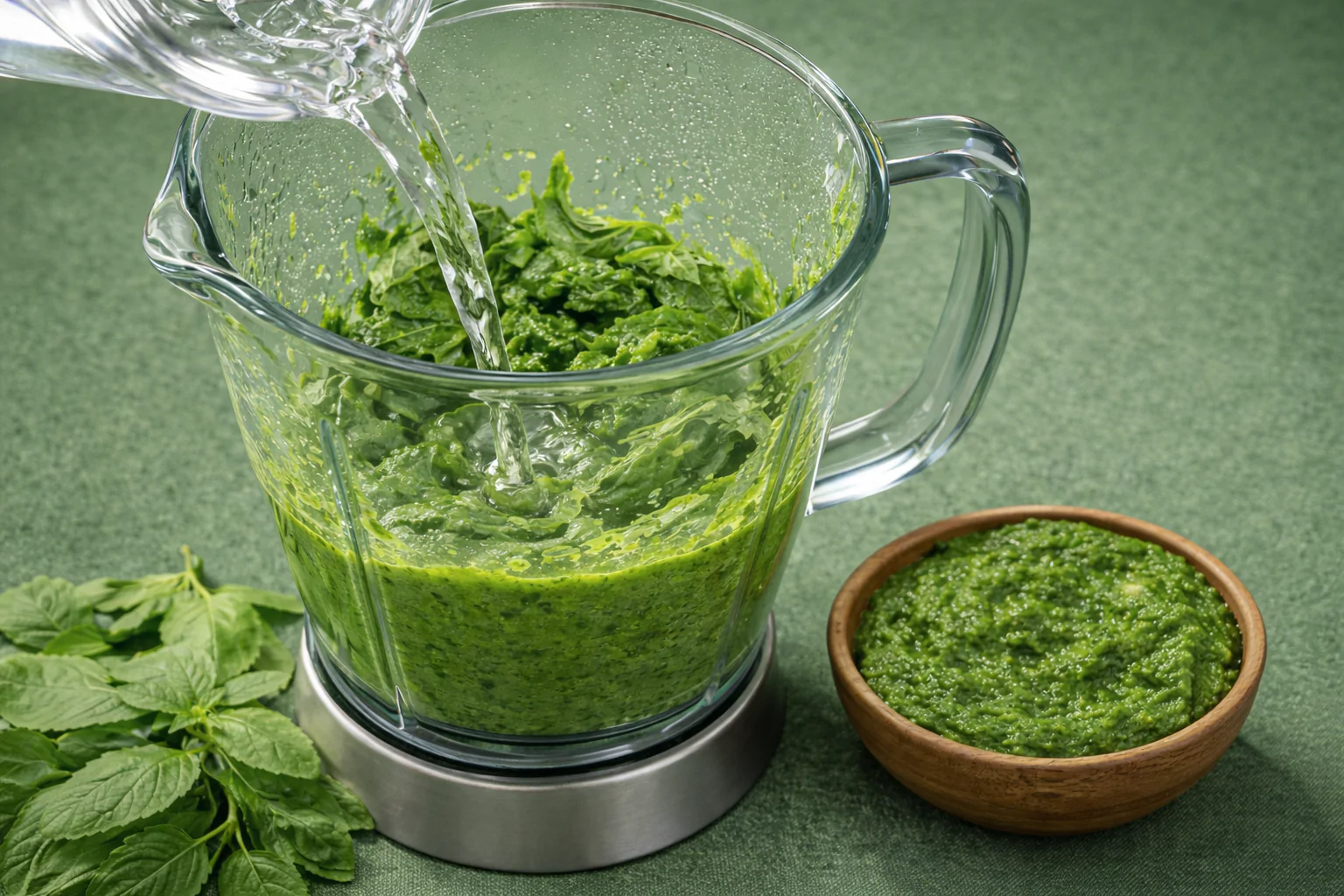
Table of Contents
ToggleAcne and pimples are common skin concerns that can affect people of different ages. They may cause redness, swelling, tenderness, and blemishes, sometimes affecting confidence as well as skin comfort.
A gentle skincare routine and healthy lifestyle habits can support skin health. Tulsi, also known as holy basil, is traditionally used in home skincare remedies and contains plant compounds with potential antioxidant and anti-inflammatory properties. However, evidence that tulsi paste can reliably treat acne is limited, and natural remedies should not replace appropriate acne treatment when needed.
Acne develops when hair follicles become blocked with excess oil (sebum) and dead skin cells. This can contribute to clogged pores, inflammation, and breakouts.
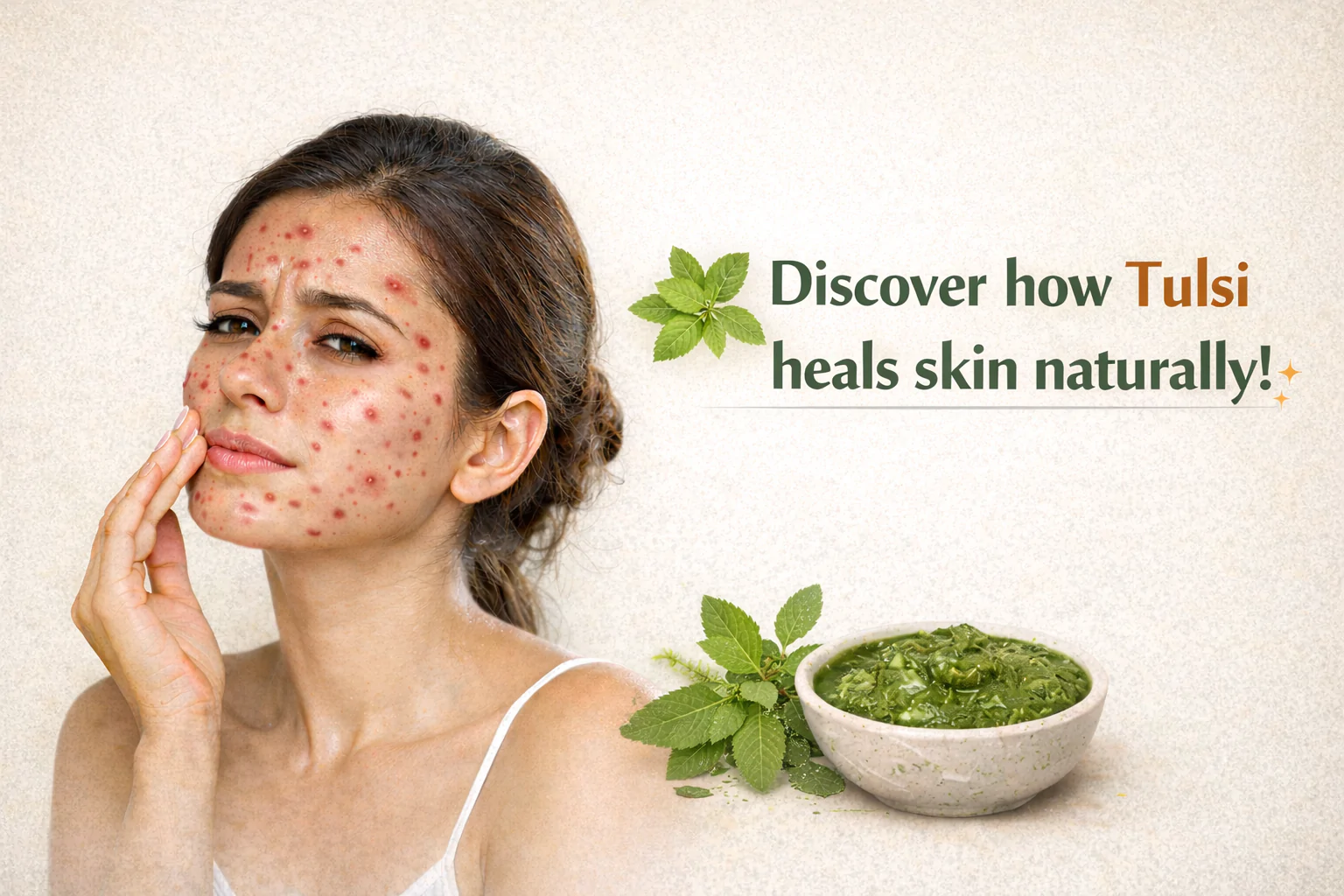
Pimples are one type of acne. They may appear as small red, tender bumps or spots with a white or dark centre. Acne can occur on the face and other areas of the body, including the chest, shoulders, and back.
Several factors may contribute to acne and breakouts:
Factor | How It May Contribute |
Excess oil (sebum) | Can contribute to clogged pores |
Dead skin cells | May accumulate inside hair follicles |
Bacteria | Can contribute to inflammation in blocked pores |
Hormonal changes | May increase oil production |
Certain foods | May worsen acne in some individuals |
Stress | Can aggravate existing acne |
Acne is not simply caused by poor hygiene. Scrubbing the skin too hard or washing it excessively may irritate the skin and make symptoms worse.
Tulsi, commonly known as holy basil, is used in traditional skincare practices. It contains natural plant compounds that have been studied for antioxidant and anti-inflammatory properties.
These properties have led to interest in tulsi as a home skincare ingredient. However, research is not sufficient to establish tulsi paste as a proven acne treatment. Results may vary, and it may irritate sensitive skin.
If you choose to try tulsi as a home skincare ingredient, use it cautiously and avoid applying it to broken, irritated, or very sensitive skin.
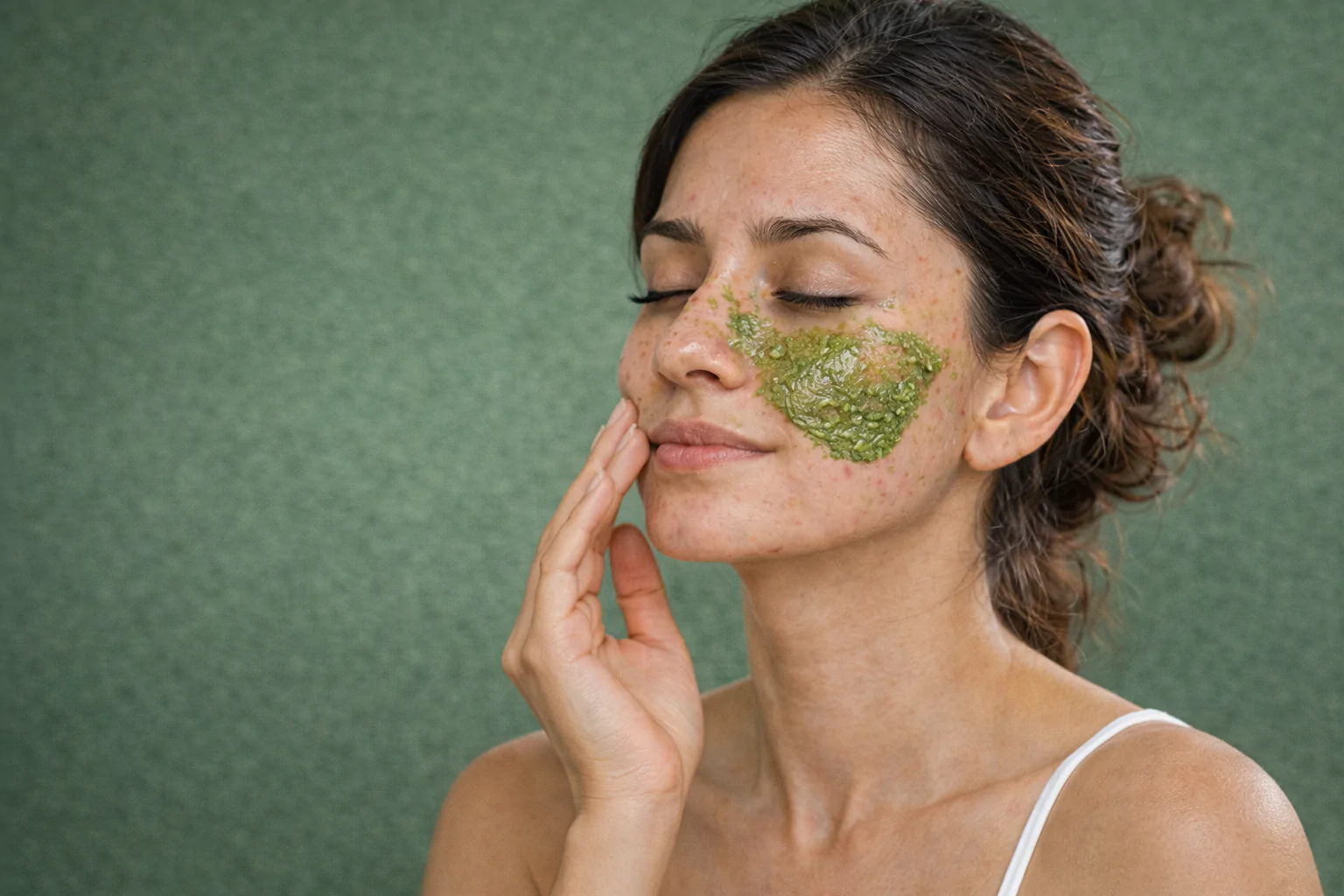
Rinse the tulsi leaves thoroughly under clean running water to remove dirt and debris.
Crush or blend the leaves with a small amount of clean water until they form a smooth paste.
Before applying the paste to your face, test a small amount on a limited area of skin. Wait and check for redness, itching, burning, or irritation. Do not use it if a reaction occurs.
If the patch test causes no irritation, apply a thin layer to a small area of skin. Avoid the eyes, lips, and any open or inflamed wounds. Do not leave the paste on overnight, especially if you have never used it before. Wash it off if you experience discomfort.
Prepare a small amount for one use rather than storing homemade paste for several days. Homemade mixtures do not contain preservatives and may become contaminated during storage.
Along with a cautious approach to home remedies, consider these everyday skincare habits:
If acne is persistent, painful, leaving scars, or affecting your confidence, a dermatologist can recommend evidence-based treatments suited to your skin.
Acne and pimples can have several contributing causes, so there is no single natural remedy that works for everyone. Tulsi is a traditional skincare ingredient, but its effectiveness for treating acne has not been firmly established.
A gentle skincare routine, avoiding skin irritation, and seeking professional advice when breakouts persist can help you care for acne-prone skin safely.
Acne is a common skin condition that develops when hair follicles become clogged with oil and dead skin cells. Pimples are a type of acne and may appear as red, tender, white, or dark-centred bumps.
Acne can develop due to a combination of factors, including excess oil production, clogged pores, inflammation, hormonal changes, and individual skin characteristics. Stress and certain lifestyle factors may worsen breakouts for some people.
Common contributing factors include:
Acne is common during adolescence, when hormonal changes can increase oil production. However, adults can also experience acne, including during periods of hormonal change.
Food does not affect everyone’s skin in the same way. Some people notice that certain foods, including high-sugar foods or particular dairy products, are associated with breakouts. Keeping track of personal patterns may help, but restrictive diets are not necessary for everyone.
The HealthCureRemedies Editorial Team shares easy-to-understand information on wellness, skincare, nutrition, and healthy lifestyle habits. Our goal is to help readers make informed decisions by presenting practical health information.
Our content focuses on general educational information and everyday wellness practices. We encourage readers to follow established healthcare guidance and consult qualified professionals when they have specific health concerns.
This article is intended for general informational purposes only. It is not a substitute for professional medical advice, diagnosis, or treatment. Consult a qualified dermatologist for personalised guidance about acne, persistent breakouts, or skin irritation.