Table of Contents
ToggleHome Remedies for Gas and Acidity: A Simple Homemade Remedy for Better Digestion
Gas, acidity, bloating, and occasional indigestion are common digestive complaints that can make everyday life uncomfortable. Eating too quickly, having a heavy meal, consuming spicy or oily foods, irregular meal timings, stress, and certain food triggers may contribute to digestive discomfort in some people.
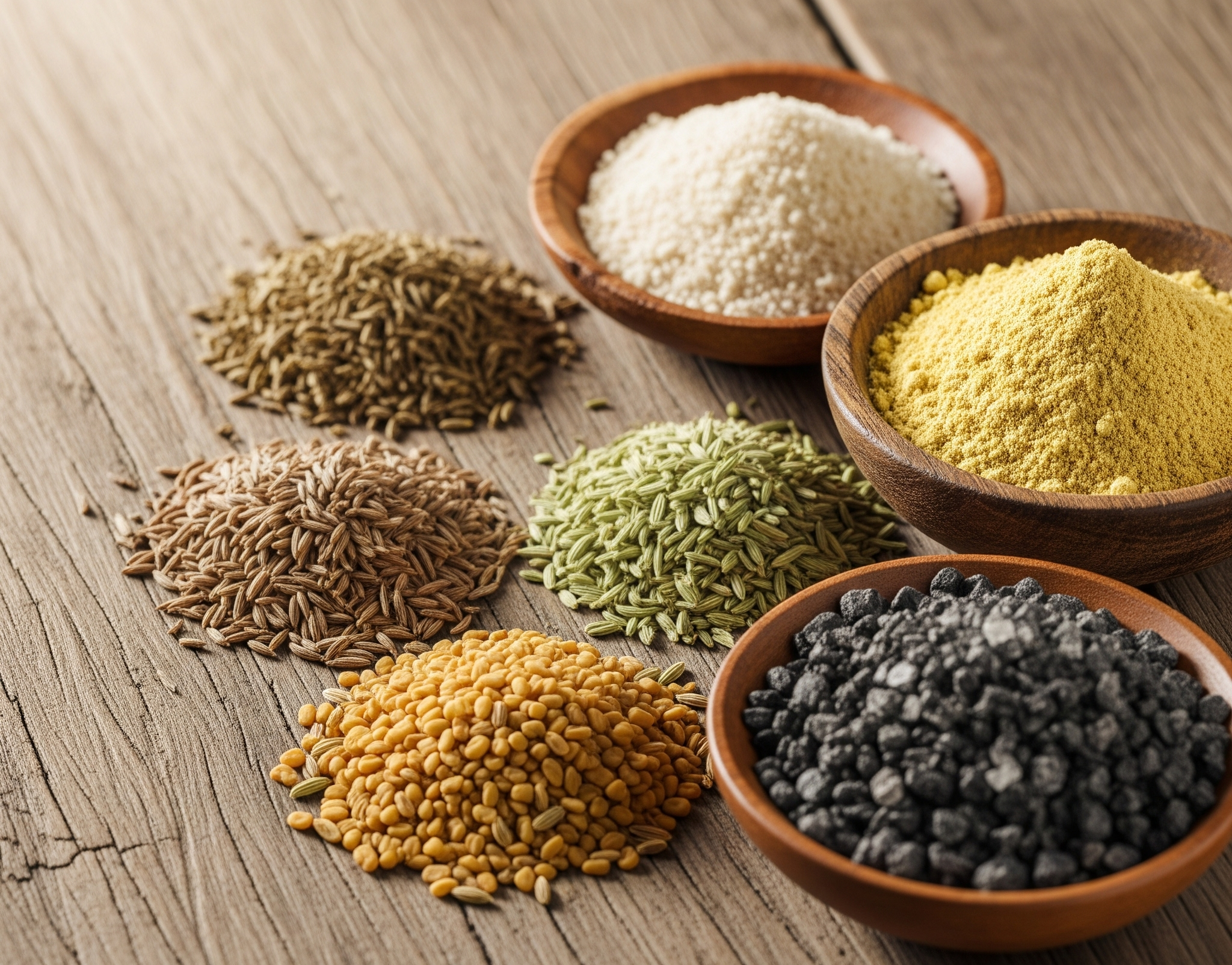
When these symptoms occur occasionally, simple lifestyle changes can often be a useful first step. Many Indian households also use familiar kitchen ingredients such as ajwain, cumin, fennel, fenugreek, hing, and black salt in traditional digestive preparations.
One such homemade preparation combines these ingredients into a simple digestive spice powder that can be mixed with lukewarm water.
But can this traditional mixture actually help with gas and acidity? How should it be prepared and used safely?
Let’s take a closer look.
What Causes Gas, Acidity, and Indigestion?
Gas, acidity, bloating, and indigestion can have many possible causes. In some cases, everyday eating habits may contribute to temporary digestive discomfort.
Common factors include:
- Eating meals at irregular times
- Eating too quickly
- Having very large meals
- Consuming spicy or oily foods
- Eating late at night
- Drinking carbonated beverages
- Certain foods that trigger digestive symptoms
- Stress
- Poor sleep
- Swallowing excess air while eating or drinking
Occasional digestive discomfort is common. However, symptoms that happen frequently, become severe, or continue for a long time should not simply be managed with home remedies.
A Traditional Homemade Digestive Powder
This homemade preparation combines several spices commonly found in Indian kitchens.
Ingredients
You will need:
- 50 g ajwain (carom seeds)
- 50 g cumin seeds (jeera)
- 50 g fenugreek seeds (methi)
- 50 g fennel seeds (mouri/saunf)
- 5 g hing (asafoetida)
- 10 g black salt
These ingredients are traditionally used in Indian cooking and household digestive preparations.
The combination creates a strongly flavored spice powder that can be used in a small quantity.

Why Are These Ingredients Traditionally Used?
Each ingredient has a distinctive flavor and traditional culinary use.
Ajwain (Carom Seeds)
Ajwain has a strong, aromatic flavor and is commonly used in Indian cooking.
It is also traditionally included in various household digestive preparations, particularly after heavy meals.
Cumin Seeds
Cumin has an earthy, warm flavor and is widely used in Indian cuisine.
It is commonly added to food, spice blends, and traditional beverages.
Fennel Seeds
Fennel seeds have a naturally sweet and refreshing flavor.
They are commonly consumed after meals and are frequently used in teas and homemade digestive drinks.
Fenugreek Seeds
Fenugreek seeds have a slightly bitter taste and are commonly used as a cooking spice.
They are also included in a variety of traditional food and wellness preparations.
Hing (Asafoetida)
Hing is a strongly aromatic spice that is typically used in small quantities.
It is a familiar ingredient in Indian cuisine and is traditionally used in several dishes and household digestive preparations.
Black Salt
Black salt has a distinctive savory and slightly sulfurous flavor.
It is commonly used in Indian snacks, drinks, salads, and traditional spice mixtures.
How to Prepare This Homemade Digestive Powder
Preparing the mixture at home is simple.
Step 1: Measure the Ingredients
Measure the required amounts of ajwain, cumin seeds, fenugreek seeds, fennel seeds, hing, and black salt.
Step 2: Lightly Roast the Seeds
Place the ajwain, cumin, fenugreek, and fennel seeds in a dry pan.
Roast them gently over low heat for a few minutes. Keep stirring and avoid burning the seeds.
Light roasting can enhance their aroma and make the mixture easier to grind.
Step 3: Cool the Ingredients
Remove the roasted seeds from the pan and allow them to cool completely.
Do not grind the ingredients while they are still hot.
Step 4: Grind the Seeds
Transfer the cooled seeds to a clean, dry grinder.
Grind them into a fine or slightly coarse powder according to your preference.
Step 5: Add Hing and Black Salt
Transfer the ground mixture to a clean bowl.
Add the measured hing and black salt and mix everything thoroughly.
Step 6: Store Properly
Transfer the finished powder to a clean, dry, airtight container.
Store it in a cool, dry place away from moisture.
How to Use This Homemade Remedy for Gas and Acidity
Traditional spice mixtures are generally used in small quantities around mealtimes.
If you choose to try this preparation, start with a small amount rather than consuming a large quantity.
You can mix a small pinch to approximately ½ teaspoon of the powder with lukewarm water.
There is no need to consume it several times a day.
Individual tolerance can vary, and some people may find spicy ingredients uncomfortable, particularly when they already have acid reflux or a sensitive stomach.
If you frequently experience gas, acidity, heartburn, or indigestion, it is better to identify possible triggers and discuss recurring symptoms with a healthcare professional rather than depending on a homemade remedy.
Simple Home Habits That May Support Better Digestion
A homemade spice mixture is only one part of digestive wellness. Everyday habits may be more important for managing occasional digestive discomfort.
1. Eat Meals at Regular Times
Try to maintain reasonably consistent meal timings.
Skipping meals and then eating a very large meal may make some people feel uncomfortable.
2. Eat Slowly
Take your time while eating and chew your food properly.
Eating too quickly can cause you to swallow more air, which may contribute to feelings of gas or bloating.
3. Avoid Very Heavy Meals
Large, greasy, or very spicy meals may trigger acidity, bloating, or indigestion in some people.
Pay attention to how your body responds to different foods.
4. Drink Enough Fluids
Adequate fluid intake is an important part of general health.
Choose water and other suitable fluids throughout the day according to your individual needs.
5. Stay Physically Active
Regular physical activity supports overall health and can be a useful part of a healthy digestive routine.
A gentle walk after meals may also help you avoid sitting or lying down immediately after eating.
6. Identify Your Trigger Foods
Different people may react differently to certain foods.
Keep track of meals that repeatedly seem to cause gas, bloating, heartburn, or discomfort. This may help you identify personal triggers.
7. Avoid Eating Too Close to Bedtime
For some people, eating shortly before lying down can make acid reflux or heartburn symptoms worse.
Leaving some time between your last meal and bedtime may be helpful if you are prone to nighttime acidity.
8. Manage Stress
Stress can affect how your digestive system feels.
Regular movement, relaxation, hobbies, adequate rest, and healthy stress-management habits can support overall well-being.
Is This Homemade Remedy Suitable for Everyone?
Not necessarily.
Although the ingredients are commonly used in cooking, natural or traditional preparations may still cause discomfort in some people.
Spicy ingredients may not suit individuals with sensitive digestion, and certain ingredients may be unsuitable depending on a person’s health condition or medications.
Speak with a qualified healthcare professional before regularly using this preparation if you:
- Have a chronic medical condition
- Have food allergies or sensitivities
- Experience frequent acid reflux or heartburn
- Take prescription medicines regularly
- Are pregnant or breastfeeding
- Are considering giving the preparation to a child
If the mixture causes discomfort or an unusual reaction, stop using it.
Can This Remedy Cure Gas or Acidity?
It is important not to consider any homemade preparation a guaranteed cure.
Gas, acidity, heartburn, and indigestion can have different underlying causes. A traditional spice mixture may be part of a household wellness routine, but it should not replace appropriate medical evaluation or treatment.
If symptoms occur repeatedly, identifying the underlying cause is more useful than continuously relying on home remedies.
When Should You See a Doctor?
Occasional gas or acidity may be related to diet or lifestyle. However, frequent, severe, or persistent digestive symptoms deserve proper medical attention.
Speak with a healthcare professional if you experience:
- Frequent or severe heartburn
- Persistent abdominal pain
- Repeated vomiting
- Difficulty or pain while swallowing
- Unexplained weight loss
- Blood in vomit or stool
- Black or tar-like stools
- Symptoms that are becoming worse
- Digestive problems that persist despite lifestyle changes
These symptoms may require medical evaluation to determine the underlying cause.
Final Thoughts
Gas, acidity, bloating, and occasional indigestion can be uncomfortable, but simple everyday habits may help support better digestive health.
This traditional homemade mixture combines ajwain, cumin, fennel, fenugreek, hing, and black salt into a convenient spice powder that can be used in a small quantity with lukewarm water.
However, it is important to remember that natural remedies are not guaranteed cures. The effectiveness and suitability of a homemade preparation can vary from person to person.
For better digestive wellness, focus on the bigger picture: eat mindfully, stay hydrated, identify your food triggers, stay physically active, get enough sleep, and manage everyday stress.
And if gas, acidity, heartburn, abdominal pain, or other digestive symptoms become frequent, severe, or persistent, seek advice from a qualified healthcare professional.
Frequently Asked Questions (FAQs)
There is no single home remedy that works for everyone.
Simple habits such as eating slowly, avoiding personal trigger foods, staying hydrated, maintaining regular meals, and staying physically active may support digestive comfort.
Some people also traditionally use ingredients such as ajwain, cumin, and fennel in homemade preparations.
Ajwain is traditionally used in Indian households as part of digestive preparations.
However, individual responses can vary, and it should not be considered a guaranteed treatment for gas or digestive disorders.
This mixture is traditionally used as a digestive preparation, but it should not be considered a proven cure for acid reflux or other medical conditions.
Some people with sensitive stomachs may actually find strong spices uncomfortable.
There is no universal requirement to consume this mixture every day.
If you choose to use it regularly, consider your individual tolerance and health circumstances. People with medical conditions or those taking regular medications should consult a healthcare professional first.
Foods that cause gas can vary from person to person.
Large meals, carbonated drinks, certain vegetables, beans, dairy products in people with lactose intolerance, and some high-fiber foods may cause gas in susceptible individuals.
Keeping a food and symptom diary can help identify personal triggers.
About the Author
HealthCureRemedies Editorial Team
The HealthCureRemedies Editorial Team creates easy-to-understand health and wellness content covering hair care, skin care, nutrition, lifestyle, and everyday self-care.
Our articles are developed through research using publicly available and reputable health information sources. Content is edited for clarity and reviewed for responsible health communication before publication.
We aim to explain health topics in simple language without presenting unverified home remedies as guaranteed treatments or cures.
Editorial Approach
Our content is researched using relevant and publicly available health information and is written in a clear, reader-friendly format.
We focus on presenting traditional wellness practices responsibly and avoid describing home remedies as guaranteed treatments or cures when sufficient evidence is not available.
Important health-related information is reviewed for clarity and responsible communication before publication.
Important Note
HealthCureRemedies provides general educational information and does not provide individual medical diagnosis or treatment.
Home remedies may not be appropriate for everyone. Readers with persistent, severe, or concerning symptoms should consult a qualified healthcare professional for personalized medical advice.