Table of Contents
ToggleHow to Reduce Dandruff Naturally: Simple Home Remedies and Scalp Care Tips
How to Reduce Dandruff Naturally
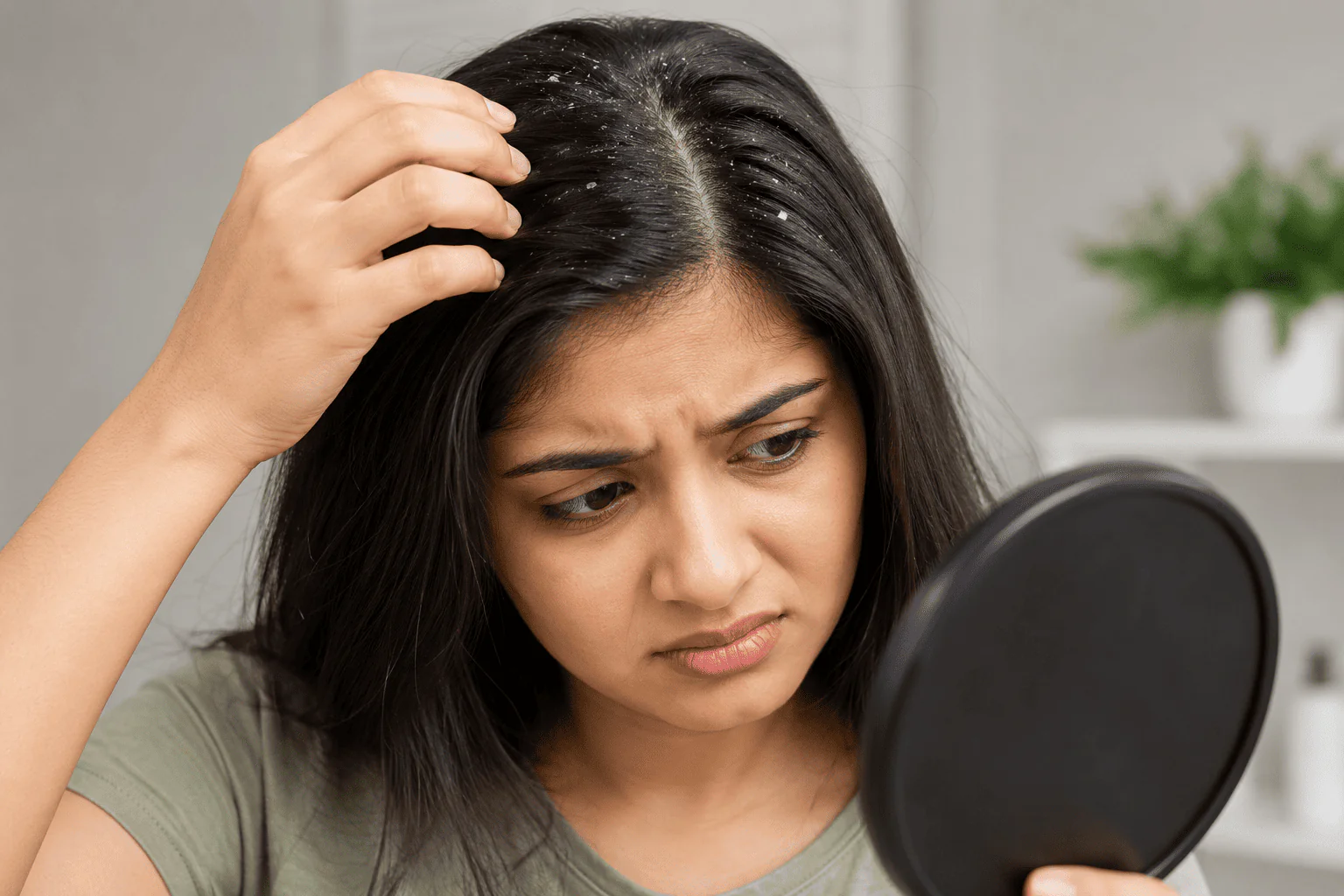
Dandruff is one of the most common scalp concerns. Those small white flakes on your shoulders, an itchy scalp, or occasional irritation can be annoying—especially when they keep coming back.
Dandruff can be associated with a dry scalp, excess oil, sensitivity to hair-care products, product buildup, or an imbalance of microorganisms naturally found on the scalp. Stress and irregular hair-washing habits may also make the problem more noticeable.
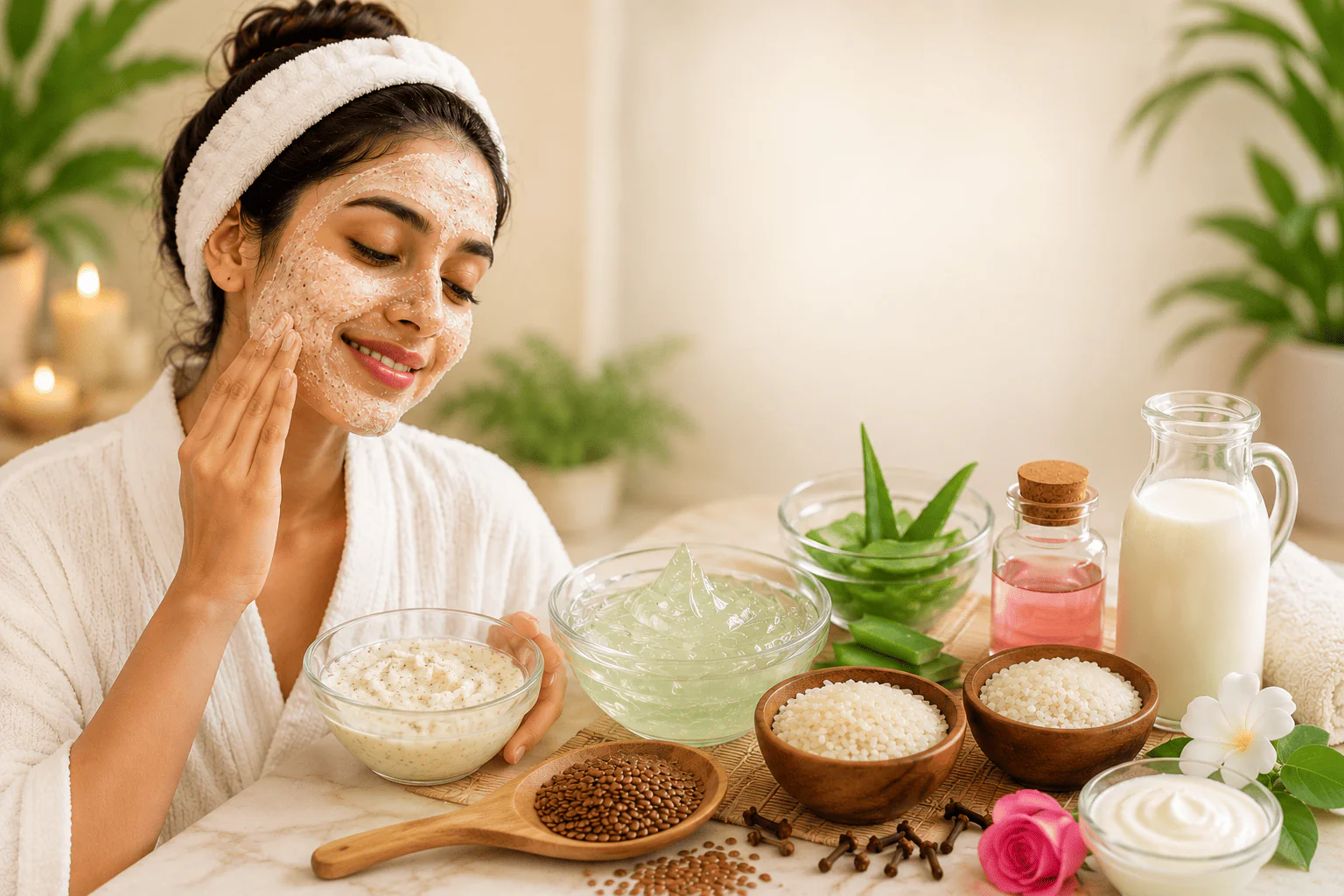
The good news is that improving your scalp-care routine and making a few simple lifestyle changes may help reduce mild dandruff. Natural ingredients such as aloe vera and coconut oil can be useful for some people, although they may not work equally well for every scalp.
What Exactly Causes Dandruff?
Dandruff does not have one single cause. Different people may develop flakes for different reasons.
Some common factors include:
- Dry scalp: Lack of moisture can make the scalp feel tight and lead to visible flakes.
- Oily scalp: Excess oil can encourage the buildup of dead skin cells and create an environment where dandruff becomes more noticeable.
- Yeast on the scalp: A naturally occurring yeast called Malassezia can play a role in dandruff for some people.
- Hair-product buildup: Oils, styling products, and dry shampoo can accumulate on the scalp if they are not washed out properly.
- Infrequent washing: Not cleaning the scalp regularly can allow oil and dead skin cells to build up.
- Sensitivity to products: Certain shampoos, dyes, fragrances, or styling products may irritate a sensitive scalp.
- Stress: Periods of high stress may make existing scalp problems harder to manage.
Understanding what may be triggering your dandruff can help you choose a more suitable scalp-care routine.
Signs You May Have Dandruff
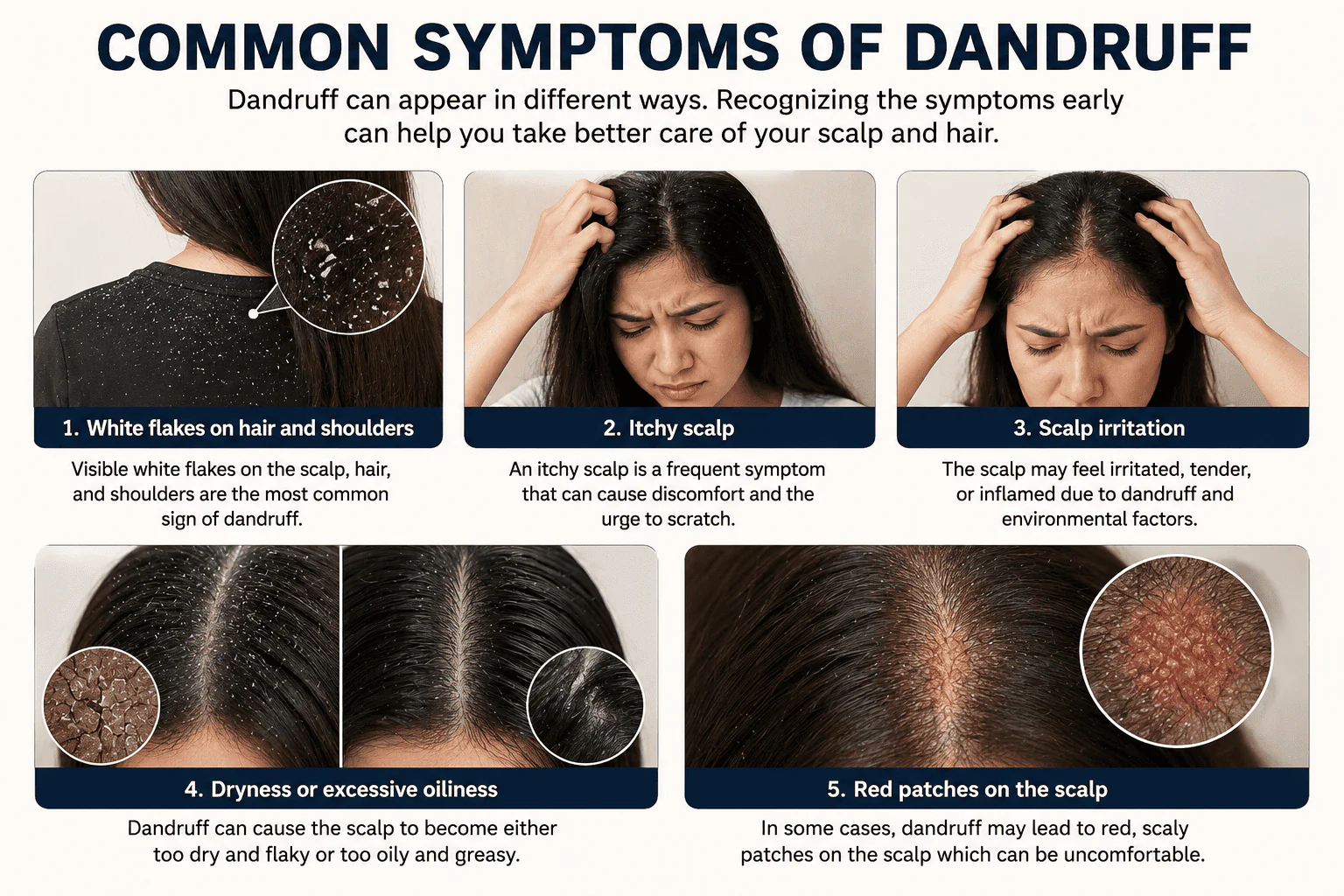
Dandruff can look slightly different from person to person. Common signs include:
- Small white or yellowish flakes
- Itching or scalp discomfort
- Dry or flaky patches
- An oily or greasy scalp
- Mild scalp redness or irritation
- Flakes appearing on dark clothing
If your scalp is extremely red, swollen, painful, or developing thick scales, it may be something other than ordinary dandruff and should be evaluated by a healthcare professional.
7 Ways to Help Manage Mild Dandruff Naturally
1. Try a Gentle Coconut Oil Massage
Coconut oil can help soften and moisturize dry skin. If dryness is contributing to your scalp flakes, a small amount may make the scalp feel more comfortable.
Apply a small amount to the scalp and massage gently with your fingertips. Leave it for around 20–30 minutes and then wash your hair with a gentle shampoo.
Important: If you have a very oily scalp or notice that oil makes your flakes worse, avoid heavy oiling.
2. Use Aloe Vera for a Soothing Scalp
Aloe vera is known for its soothing and moisturizing properties. It may be helpful when the scalp feels dry or irritated.
Apply a thin layer of plain aloe vera gel to the scalp and leave it on for approximately 20 minutes before rinsing thoroughly.
Always test a small area first, particularly if you have sensitive skin.
3. Be Careful With Tea Tree Oil
Tea tree oil is often used in scalp-care products because of its cleansing properties. Some people find products containing tea tree oil helpful for managing scalp flaking.
However, never apply concentrated tea tree oil directly to your scalp. It should be properly diluted or used in a formulated hair-care product according to the product instructions.
Stop using it if you experience burning, redness, or irritation.
4. Keep Your Scalp Clean
A clean scalp is an important part of dandruff management.
Wash your hair according to how oily your scalp becomes. If your scalp gets greasy quickly, you may need to wash it more frequently. If your scalp is naturally dry, avoid unnecessarily frequent washing with harsh shampoos.
When shampooing, concentrate on gently cleansing the scalp rather than aggressively rubbing the hair.
5. Avoid Excessive Hair Products
Gels, sprays, creams, dry shampoos, and styling products can sometimes leave residue behind.
You do not necessarily need to stop using all styling products. Instead, use them moderately and make sure your scalp is properly cleansed when buildup occurs.
6. Manage Stress
Stress does not directly cause every case of dandruff, but prolonged stress can affect overall skin and scalp health.
Simple habits such as:
- Regular physical activity
- Adequate sleep
- Meditation
- Deep-breathing exercises
- Spending time outdoors
may help you manage everyday stress and support overall wellbeing.
7. Avoid Scratching Your Scalp
An itchy scalp can make you want to scratch, but repeated scratching can further irritate the skin and may cause small cuts.
Instead, gently massage the scalp while washing and keep your fingernails away from irritated areas.
Foods That Support Healthy Hair and Scalp
Your diet cannot instantly eliminate dandruff, but a balanced diet provides nutrients needed for normal skin and hair health.
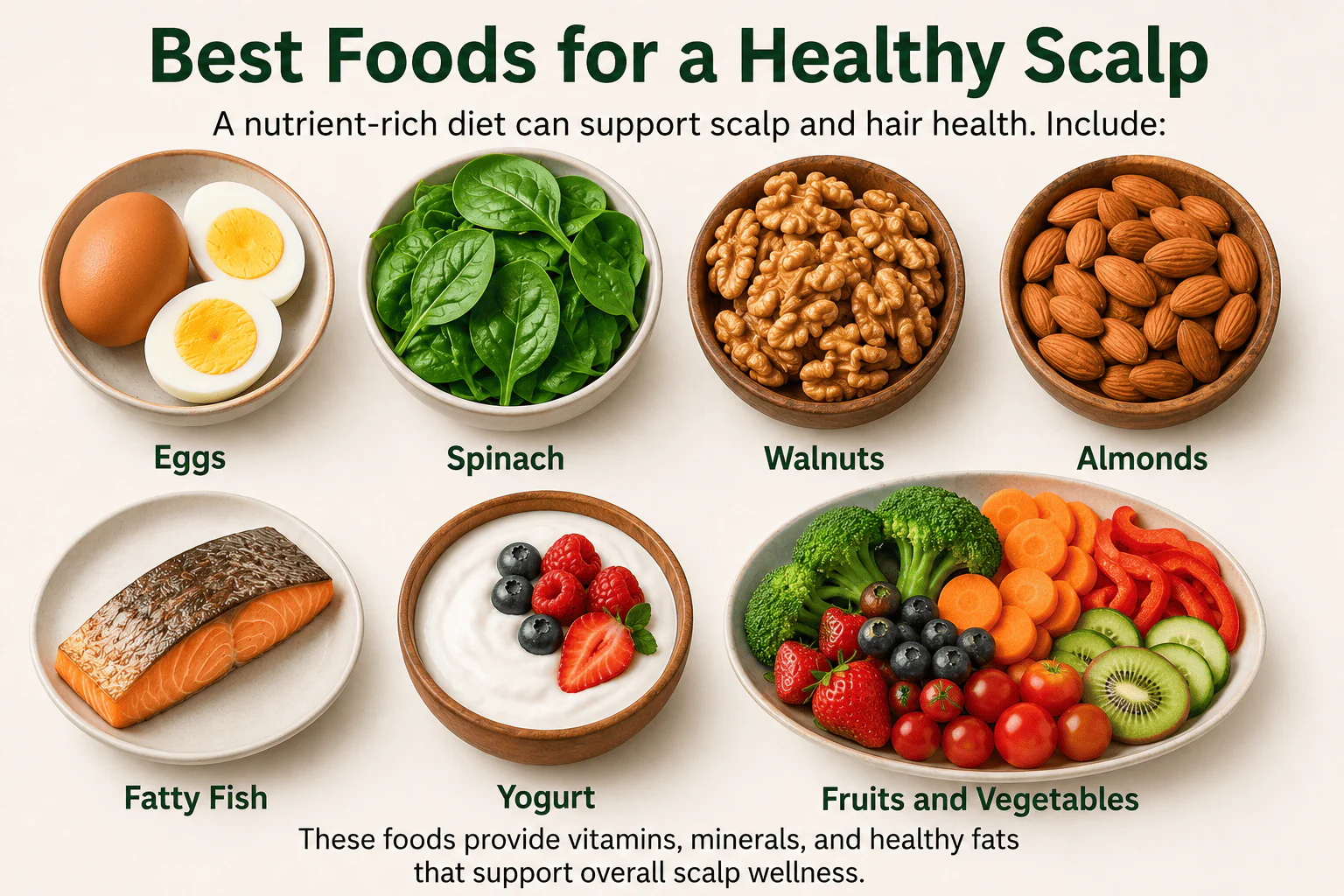
Consider including a variety of nutrient-rich foods such as:
- Eggs for protein and nutrients
- Spinach and leafy greens for vitamins and minerals
- Walnuts and almonds for healthy fats
- Fatty fish for omega-3 fatty acids
- Yogurt for protein and other nutrients
- Colorful fruits and vegetables for antioxidants and vitamins
Rather than relying on one “superfood,” focus on eating a varied and balanced diet.
Hair-Care Habits That Can Make Dandruff Worse
Sometimes everyday habits can contribute to scalp irritation or make flakes more noticeable.
Try to avoid:
- Scratching the scalp repeatedly
- Using very hot water while washing your hair
- Applying too many styling products
- Using harsh shampoos that irritate your scalp
- Leaving heavy product buildup on the scalp
- Excessive heat styling
- Ignoring persistent scalp irritation
Your scalp does not need an elaborate routine. In many cases, a simple and consistent routine is easier to maintain.
A Simple Weekly Scalp-Care Routine
You can keep your routine uncomplicated:
Wash: Use a gentle shampoo suitable for your scalp type.
Massage: Gently massage the scalp with your fingertips while shampooing.
Moisturize: If dryness is a concern, consider a suitable moisturizing treatment such as aloe vera.
Avoid buildup: Remove styling products properly rather than allowing them to accumulate.
Observe: Pay attention to whether your scalp becomes drier, oilier, itchier, or more irritated after using a particular product.
Remember that natural does not automatically mean suitable for everyone. Your scalp may react differently to ingredients that work well for someone else.
When Should You See a Doctor?
Home care may be reasonable for mild dandruff, but persistent or severe symptoms should not be ignored.
Consider speaking with a dermatologist or other qualified healthcare professional if:
- Your dandruff does not improve despite consistent care
- Your scalp becomes very red or painful
- You develop thick or unusual scales
- There is significant itching or inflammation
- You notice unexplained hair loss
- The condition spreads to areas such as the eyebrows, ears, or face
Conditions such as seborrheic dermatitis, psoriasis, eczema, or fungal infections can sometimes resemble dandruff and may require different treatment.
Final Thoughts
Reducing dandruff naturally is less about finding one miracle ingredient and more about understanding your scalp and building a consistent care routine.
Gentle cleansing, avoiding unnecessary product buildup, managing stress, eating a balanced diet, and using soothing ingredients such as aloe vera may help with mild scalp dryness and flaking. However, natural remedies are not a replacement for professional treatment when dandruff is severe or persistent.
The most useful approach is to pay attention to how your scalp responds and choose simple, sustainable habits rather than constantly switching between different remedies.
Frequently Asked Questions (FAQs)
Regular scalp cleansing, coconut oil massage, and aloe vera application may help improve scalp comfort and reduce flakes.
Coconut oil may help moisturize the scalp and reduce dryness-related dandruff.
The ideal frequency depends on your hair type, but regular cleansing can help reduce oil and buildup.
Stress may worsen existing scalp conditions and contribute to dandruff flare-ups.
Mild dandruff may improve with proper scalp care, healthy habits, and consistent hair hygiene.
About the Author
HealthCureRemedies Editorial Team
The HealthCureRemedies Editorial Team creates easy-to-understand health and wellness content covering hair care, skin care, nutrition, lifestyle, and everyday self-care.
Our articles are developed through research using publicly available and reputable health information sources. Content is edited for clarity and reviewed for responsible health communication before publication.
We aim to explain health topics in simple language without presenting unverified home remedies as guaranteed treatments or cures.
Editorial Approach
Our content is researched, written, and edited by our editorial team. Important health-related claims are checked against reliable sources where appropriate. Traditional remedies are clearly presented as traditional practices when strong scientific evidence is not available.
Important Note
HealthCureRemedies provides general educational information and does not provide individual medical diagnosis or treatment. Readers with persistent, severe, or concerning symptoms should consult a qualified healthcare professional.