Table of Contents
ToggleImprove Gut Health Naturally
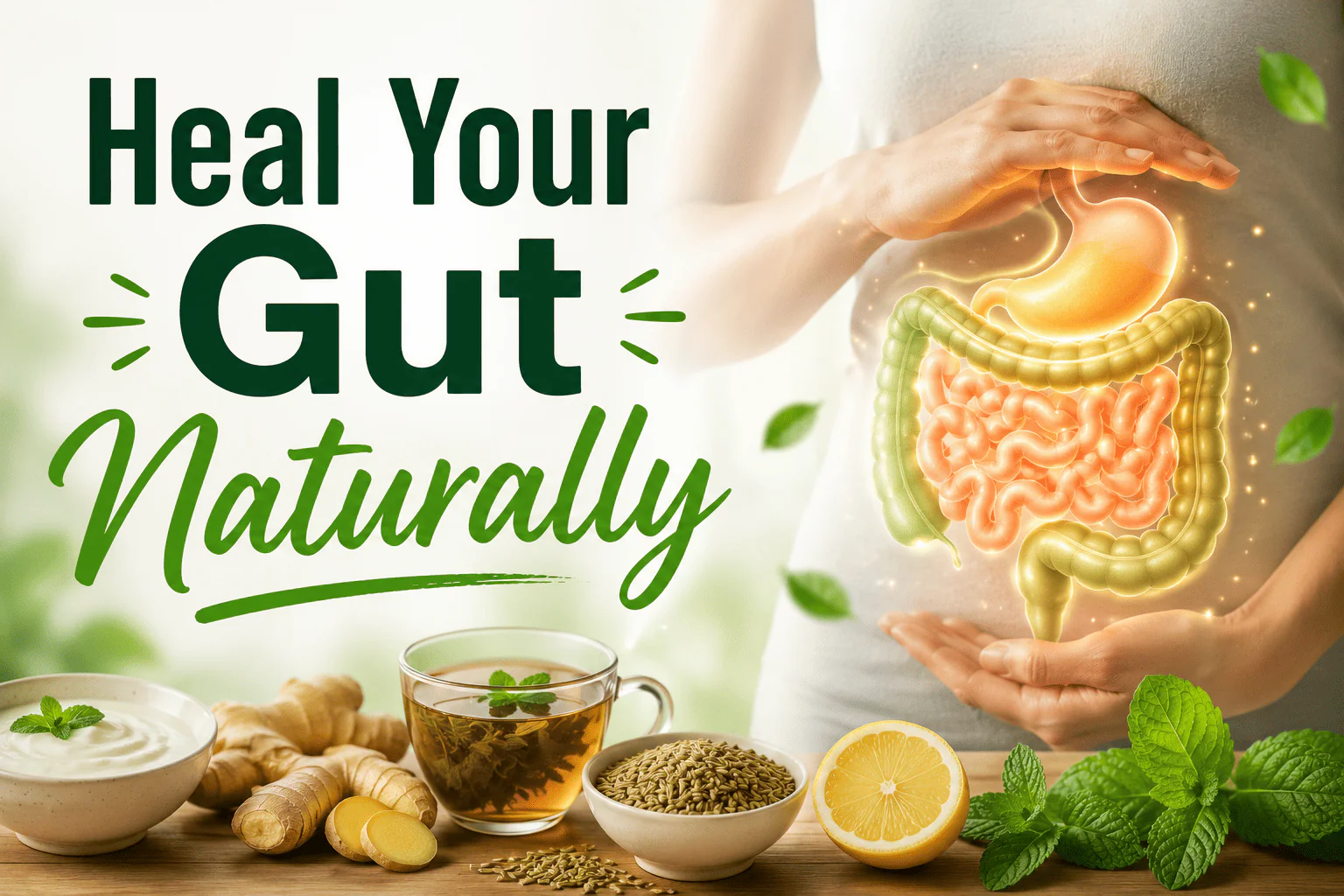
A healthy gut is the foundation of good overall health. Your digestive system does much more than process food—it also supports your immune system, helps absorb nutrients, and even influences your mood. If you often experience bloating, constipation, acidity, or indigestion, it may be time to focus on improving your gut health naturally.
The good news is that you don’t need expensive treatments to support your digestive system. With a few simple home remedies and healthy lifestyle habits, you can naturally improve gut health and enjoy better digestion every day. Research consistently shows that fiber-rich foods, fermented foods, hydration, exercise, sleep, and stress management all contribute to a healthier gut microbiome.
What Is Gut Health?
Gut health refers to the balance of beneficial bacteria and other microorganisms living in your digestive tract, commonly called the gut microbiome. These microbes help:
- Digest food efficiently
- Absorb essential nutrients
- Strengthen immunity
- Support mental well-being
- Reduce inflammation
When this balance is disturbed, digestive problems and other health concerns may develop.
Common Signs of Poor Gut Health
You may have an unhealthy gut if you experience:
- Frequent bloating
- Gas after meals
- Constipation
- Diarrhea
- Acid reflux
- Indigestion
- Food intolerance
- Fatigue
- Bad breath
- Frequent stomach discomfort
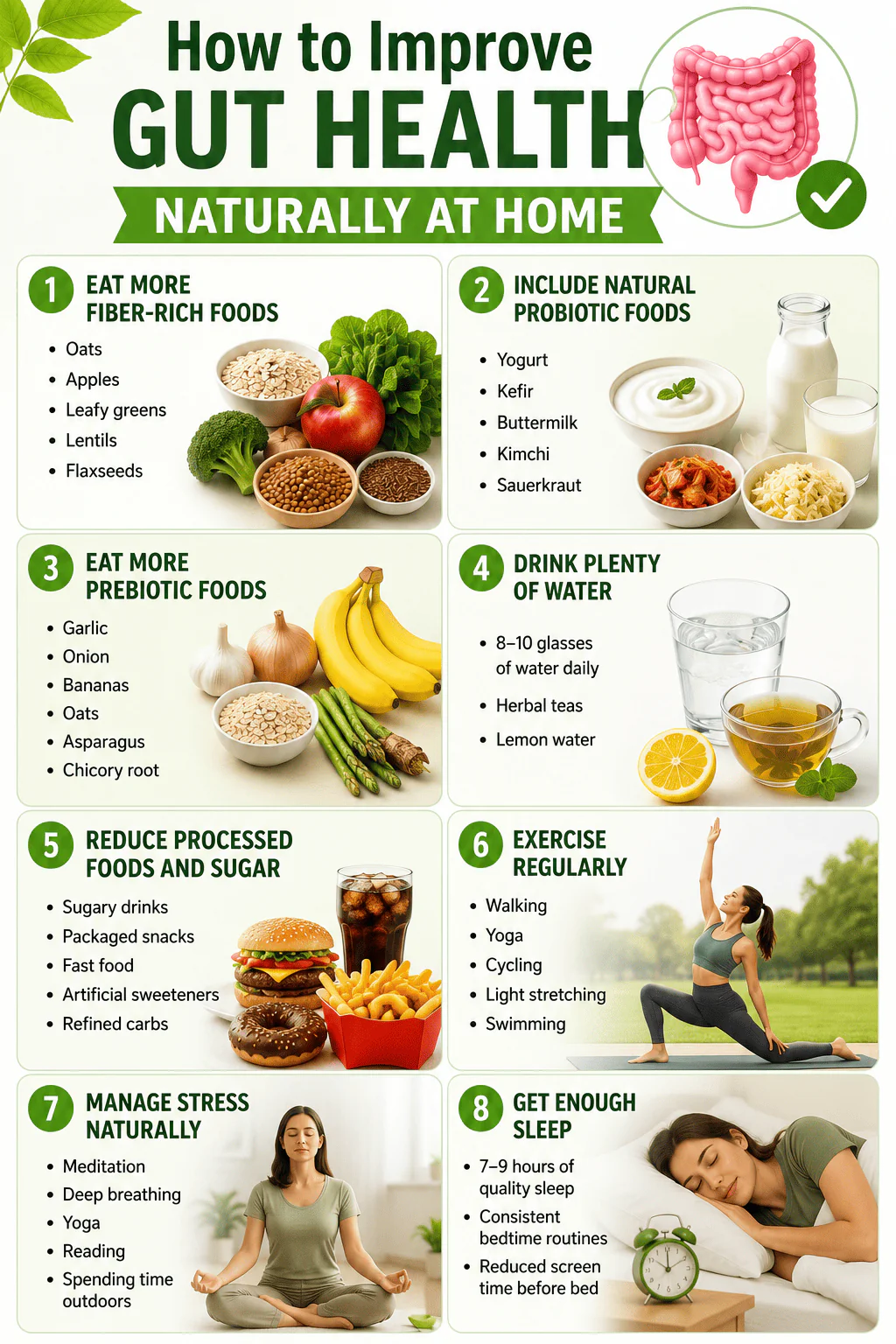
How to Improve Gut Health Naturally at Home
1. Eat More Fiber-Rich Foods
Fiber feeds the beneficial bacteria in your gut and promotes healthy digestion.
Choose foods like:
- Oats
- Apples
- Pears
- Leafy greens
- Broccoli
- Lentils
- Chickpeas
- Whole grains
- Flaxseeds
- Chia seeds
Aim for a variety of plant-based foods every day to encourage a diverse gut microbiome.
2. Include Natural Probiotic Foods
Probiotics introduce beneficial bacteria into your digestive system.
Best natural probiotic foods include:
- Plain yogurt
- Kefir
- Buttermilk
- Kimchi
- Sauerkraut
- Fermented vegetables
Choose products with live cultures and minimal added sugar.
3. Eat More Prebiotic Foods
Prebiotics act as food for healthy gut bacteria.
Natural prebiotic foods include:
- Garlic
- Onion
- Bananas
- Oats
- Asparagus
- Chicory root
These foods help probiotics thrive inside your digestive system.
4. Drink Plenty of Water
Hydration supports smooth digestion and helps prevent constipation.
Drink:
- 8–10 glasses of water daily
- Herbal teas
- Lemon water in moderation
Proper hydration also supports healthy bowel movements.
5. Reduce Processed Foods and Sugar
Highly processed foods can negatively affect the balance of gut bacteria.
Try limiting:
- Sugary drinks
- Packaged snacks
- Fast food
- Artificial sweeteners
- Refined carbohydrates
Replacing processed foods with whole foods benefits both digestion and overall health.
6. Exercise Regularly
Physical activity improves digestion and supports healthy gut bacteria.
Good options include:
- Walking
- Yoga
- Cycling
- Light stretching
- Swimming
Even 30 minutes of daily exercise can improve digestive health.
7. Manage Stress Naturally
Chronic stress can negatively impact digestion through the gut-brain connection.
Helpful stress-relieving activities:
- Meditation
- Deep breathing
- Yoga
- Reading
- Spending time outdoors
8. Get Enough Sleep
Poor sleep may disrupt the gut microbiome.
Adults should aim for:
- 7–9 hours of quality sleep
- Consistent bedtime routines
- Reduced screen time before bed
Healthy sleep habits support better digestive health.
Natural Home Remedies for Better Gut Health
Some simple home remedies include:
Ginger Tea
Ginger may help reduce nausea, bloating, and indigestion.
Peppermint Tea
Peppermint can help relax digestive muscles and relieve gas.
Fennel Seeds
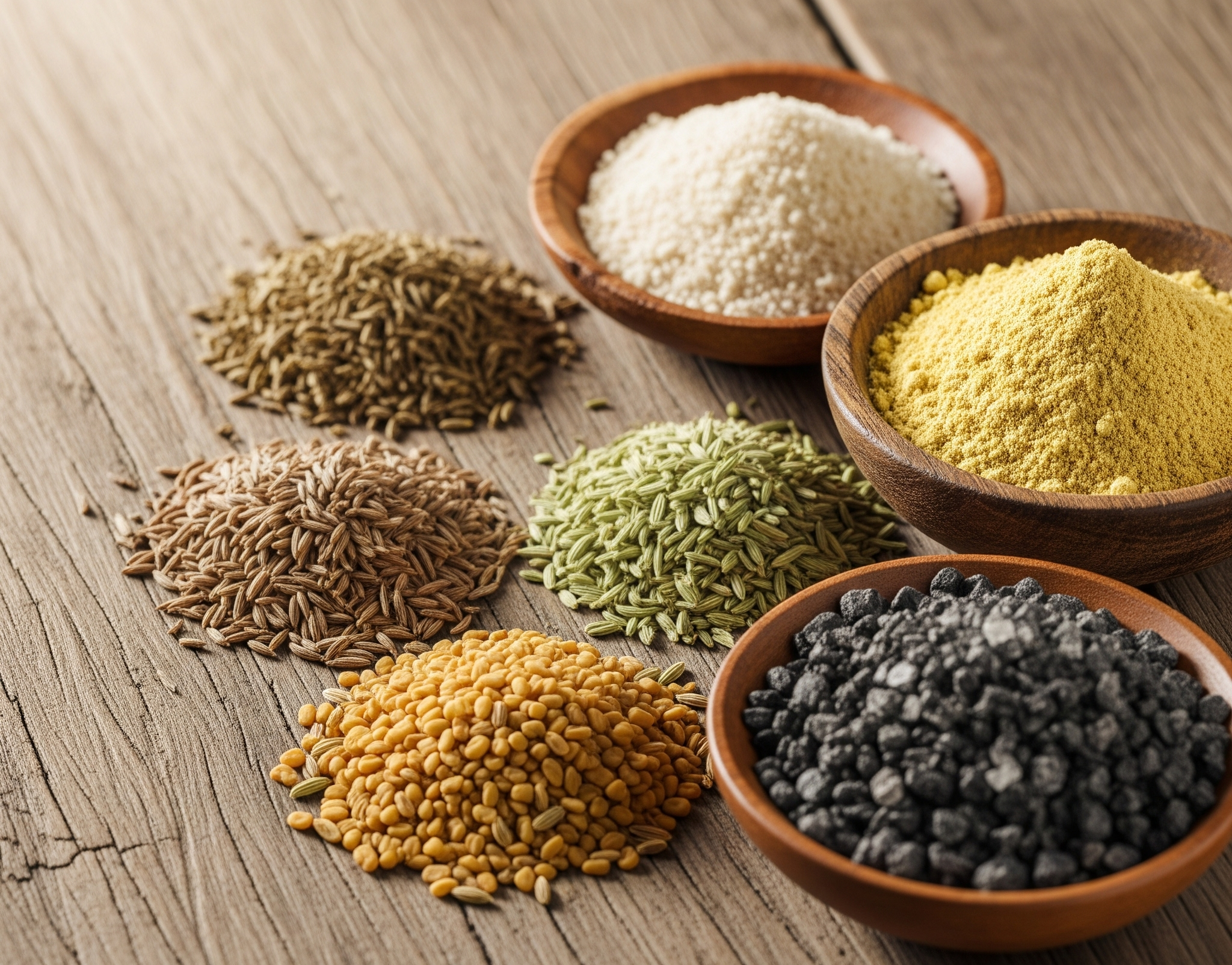
Chewing fennel seeds after meals may reduce bloating and improve digestion.
Warm Lemon Water
Drinking warm lemon water in the morning may support hydration and healthy digestion.
Foods That Support a Healthy Gut
Include these gut-friendly foods regularly:
- Yogurt
- Kefir
- Oats
- Apples
- Bananas
- Garlic
- Onion
- Leafy vegetables
- Beans
- Lentils
- Whole grains
- Nuts
- Seeds
Foods to Avoid
Limit foods that may disrupt gut health:
- Sugary desserts
- Soft drinks
- Fried foods
- Processed meats
- Excess alcohol
- Ultra-processed snacks
When to See a Doctor
Consult a healthcare professional if you experience:
- Severe abdominal pain
- Blood in stool
- Unexplained weight loss
- Persistent diarrhea
- Chronic constipation
- Symptoms lasting more than two weeks
Home remedies are helpful for mild digestive discomfort but are not a substitute for medical care.
Conclusion
Improving gut health naturally at home doesn’t require complicated diets or costly supplements. Small daily habits—such as eating more fiber, adding probiotic foods, drinking enough water, exercising, and managing stress—can make a significant difference over time. A healthy gut supports better digestion, stronger immunity, and improved overall well-being. Start with one or two changes today and build a sustainable routine for lasting digestive health.
Frequently Asked Questions (FAQs)
Yes. Eating fiber-rich foods, consuming probiotics, staying hydrated, exercising regularly, sleeping well, and managing stress can naturally support gut health.
Foods such as yogurt, kefir, oats, bananas, garlic, onions, leafy greens, legumes, and whole grains support a healthy gut microbiome.
Many people notice improvements within a few weeks of consistently following healthy eating and lifestyle habits, although individual results vary.
Yes. Plain yogurt containing live probiotic cultures may help maintain healthy gut bacteria.