Table of Contents
ToggleWhite Discharge in Women: Causes, Symptoms & Safe Natural Care Tips
White vaginal discharge is a common part of the menstrual cycle and plays an important role in maintaining vaginal health. Many women look for natural ways to manage changes in discharge, especially when they notice an increase in its amount or changes in its appearance.
Although certain household ingredients are traditionally used in women’s wellness practices, there is limited scientific evidence that these remedies can treat abnormal vaginal discharge or its underlying causes.
Understanding what is normal, recognizing unusual symptoms, and following safe personal-care practices can help you make informed decisions about your reproductive health.
What Is White Discharge and What Causes It?
White discharge, commonly referred to as vaginal discharge, is a fluid produced by the vagina and cervix. It helps keep the vagina moist and supports its natural cleaning process.
Normal vaginal discharge may appear clear, white, or slightly creamy. Its amount and consistency can change throughout the menstrual cycle due to hormonal fluctuations.
However, discharge that develops an unusual smell, color, texture, or is accompanied by discomfort may indicate an underlying condition that needs medical attention.
Possible Causes of Changes in Vaginal Discharge
Changes in vaginal discharge can occur for several reasons, including:
- Hormonal changes: Fluctuations during the menstrual cycle, pregnancy, or other hormonal changes can affect the amount and consistency of discharge.
- Vaginal infections: Conditions such as bacterial vaginosis, yeast infections, and certain sexually transmitted infections may cause changes in discharge.
- Irritation: Scented soaps, vaginal washes, and other irritating products may cause discomfort or inflammation.
- Changes in the vaginal environment: Antibiotics and other factors can sometimes affect the natural balance of microorganisms in the vagina.
- Stress and lifestyle factors: Stress may affect overall well-being and menstrual patterns, although it should not automatically be considered the cause of unusual discharge.
Symptoms That May Accompany Abnormal Discharge
Depending on the underlying cause, unusual vaginal discharge may occur alongside:
- Vaginal itching or irritation
- An unpleasant or fishy smell
- Burning during urination
- Lower abdominal or pelvic discomfort
- Pain during sexual intercourse
- Changes in discharge color or consistency
Back pain, weakness, and abdominal discomfort are not specific signs of vaginal infection. If these symptoms occur alongside unusual discharge, they should be assessed rather than automatically attributed to leucorrhoea.
Different Types of Vaginal Discharge
Vaginal discharge can vary in appearance, and its characteristics may provide useful clues about vaginal health.
Normal discharge: Usually clear or white, with no strong unpleasant smell. Its consistency may change during the menstrual cycle.
Discharge associated with a possible infection: May be accompanied by itching, irritation, an unusual smell, or changes in color and consistency. Different infections can produce different symptoms.
Thick or increased discharge: May occur naturally at certain times in the menstrual cycle. Thick, clumpy discharge accompanied by itching or irritation can also occur with a yeast infection.
The appearance of discharge alone cannot reliably identify the cause. A healthcare professional can help determine whether testing or treatment is needed.
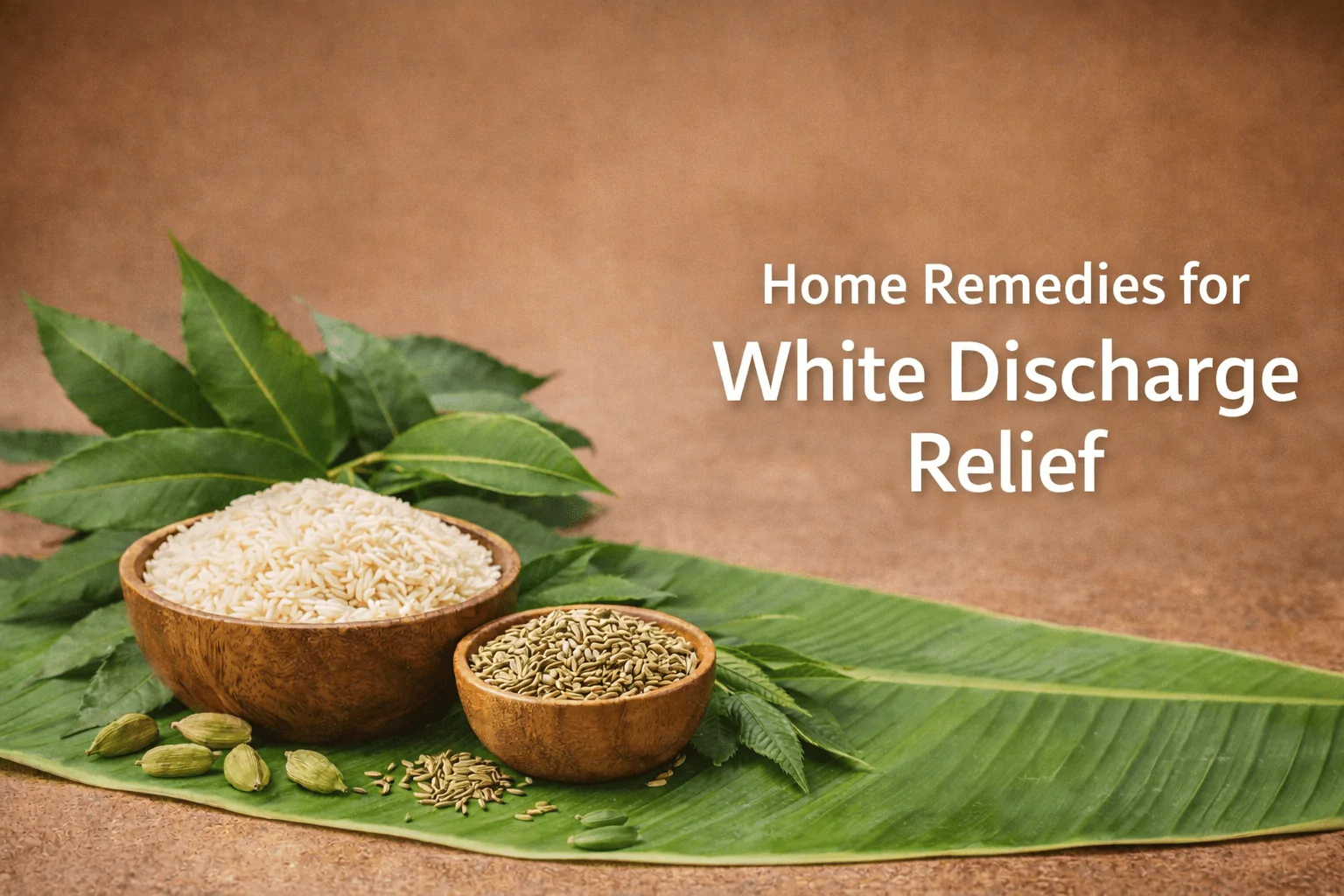
Home Remedies for White Discharge Relief
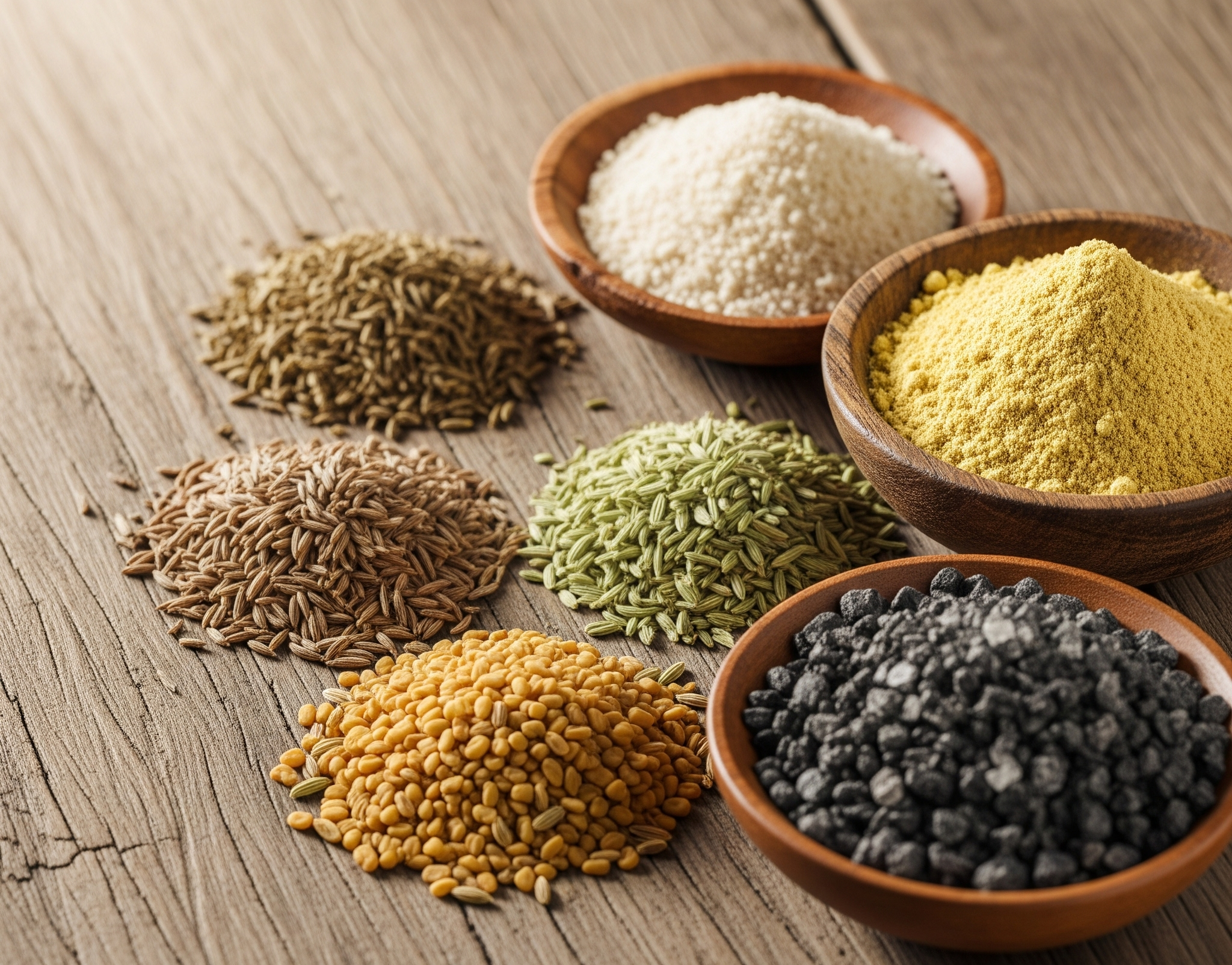
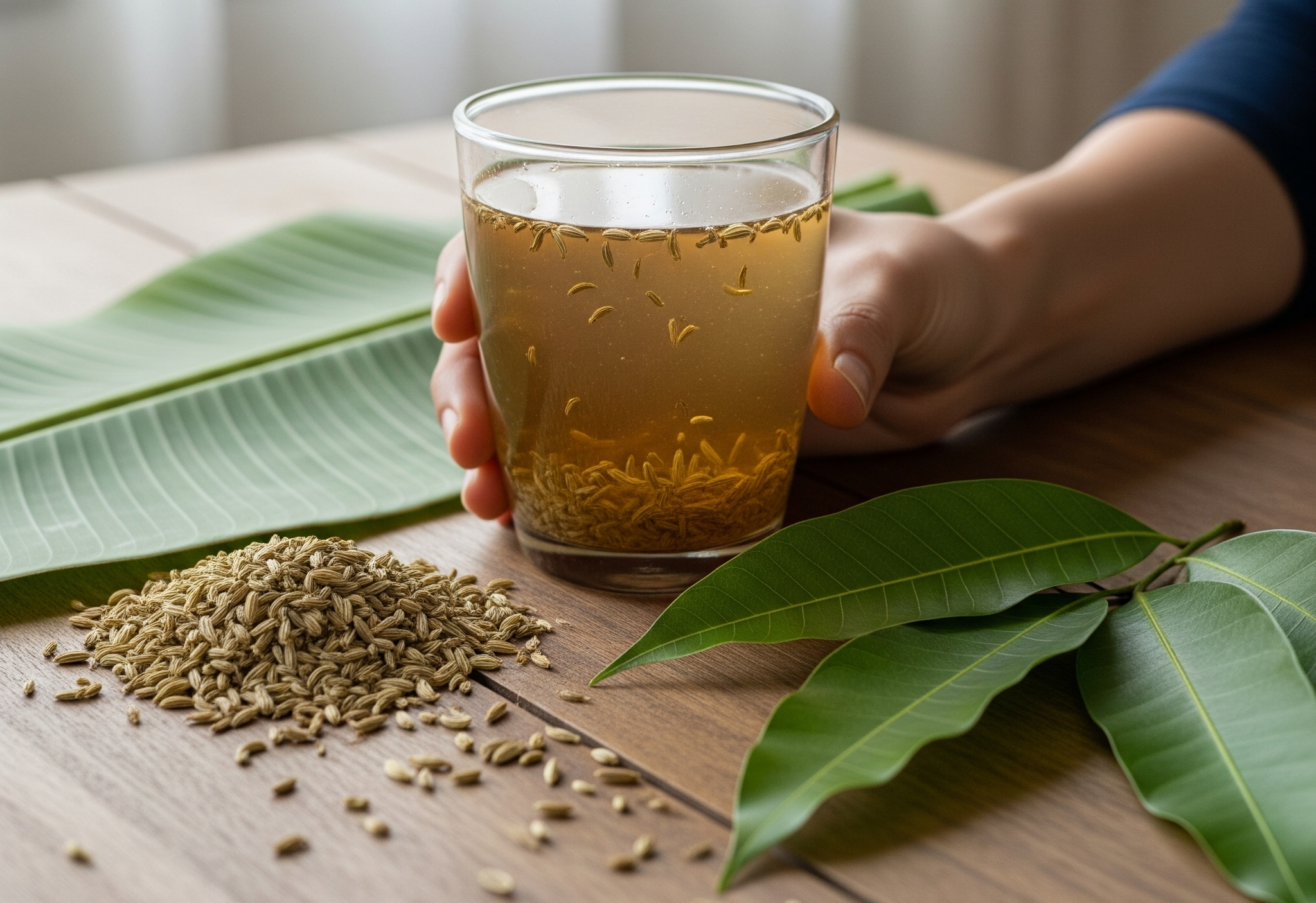
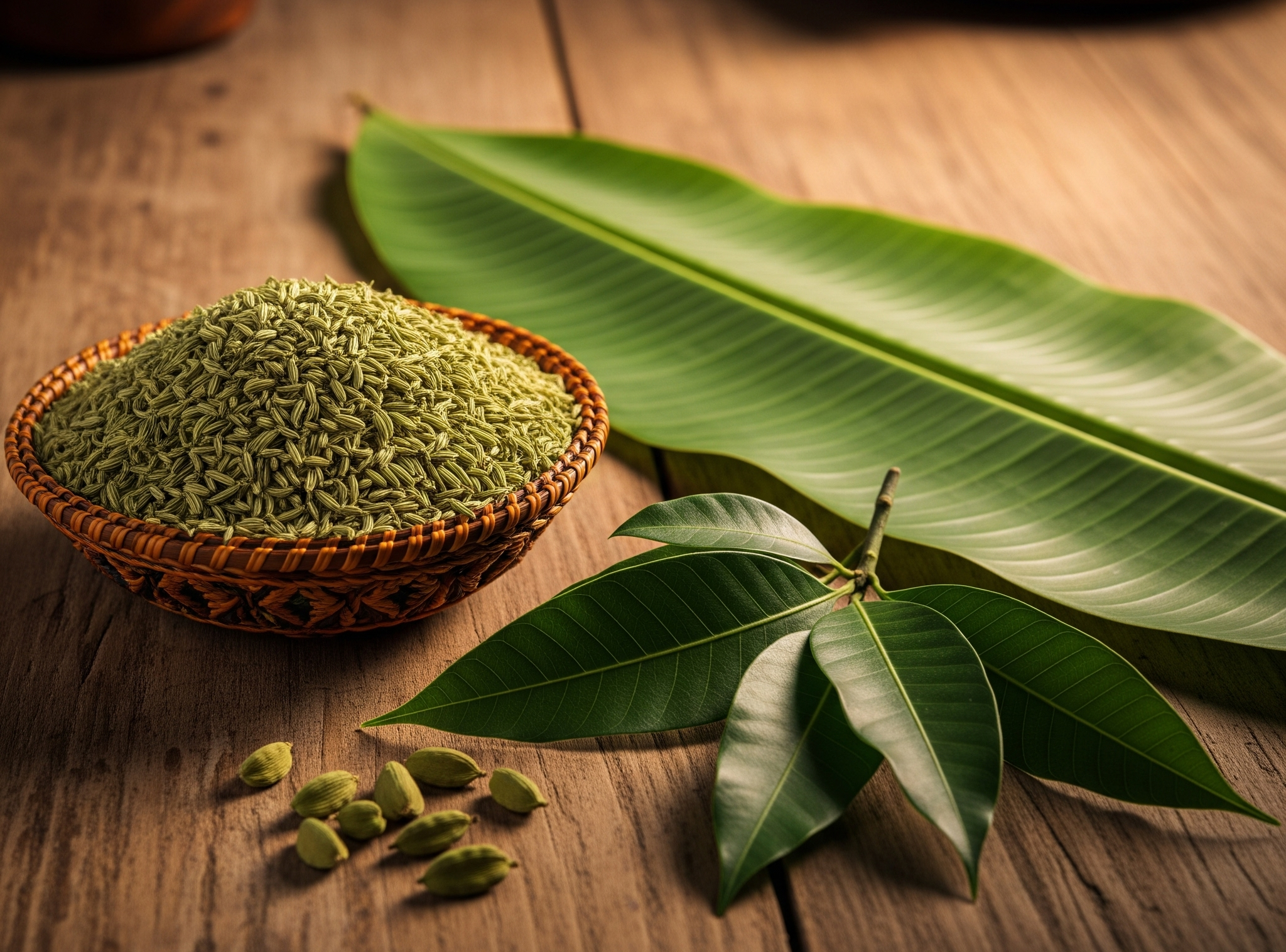
Some traditional wellness practices use familiar ingredients such as fennel seeds, cardamom, and mango leaves. These ingredients are commonly found in Indian households and are included in various culinary and traditional preparations.
However, there is no strong clinical evidence that consuming these ingredients can cure abnormal vaginal discharge, eliminate vaginal infections, or restore vaginal health.
If you enjoy these ingredients as part of your normal diet, they may be consumed as ordinary foods when suitable for you. They should not replace medical evaluation or treatment for unusual discharge.
1. Small Cardamom (Hari Elaichi)
Cardamom is an aromatic spice commonly used in Indian cooking and traditional beverages.
It contains naturally occurring plant compounds, but there is insufficient clinical evidence to establish that eating cardamom treats vaginal discharge or reproductive health conditions.
You can include cardamom in your regular diet for its flavor, but it should not be considered a treatment for abnormal discharge.
2. Mango Leaves
Mango leaves have been used in various traditional wellness practices.
Although some plant compounds have been studied in laboratory settings, this does not establish that consuming mango leaves can treat vaginal infections or abnormal discharge in humans.
There is insufficient clinical evidence to recommend mango leaves as a remedy for leucorrhoea.
3. Banana Leaves
Banana leaves are widely used in food preparation and traditional cooking.
However, there is no established clinical evidence that eating banana leaves or using banana-leaf preparations reduces vaginal discharge or treats its underlying causes.
Banana leaves should not be inserted into the vagina or applied internally as a home treatment.
4. Fennel Seeds (Saunf)
Fennel seeds are commonly used in Indian cuisine and are often consumed after meals.
They contain naturally occurring plant compounds and are traditionally included in herbal drinks and food preparations.
However, there is insufficient clinical evidence that fennel seeds can treat abnormal vaginal discharge or vaginal infections.
Fennel may be enjoyed as a culinary ingredient, but it should not be relied upon as a medical treatment for reproductive health concerns.
How to Use These Traditional Ingredients Safely
The original traditional preparation combines fennel seeds, mango leaves, and banana leaves. However, its effectiveness and safety for treating vaginal discharge have not been established through reliable clinical research.
Rather than following an unverified treatment schedule, consider the following safer approach.
Step 1: Include Fennel Seeds in Your Regular Diet
Fennel seeds can be used in ordinary food preparations or consumed in small culinary quantities if they are suitable for you.
There is no scientifically established requirement to chew fennel seeds every morning or drink a specific amount of water to treat vaginal discharge.
Step 2: Avoid Unverified Herbal Chutneys as Treatment
Traditional preparations may combine banana leaves, mango leaves, and fennel seeds into a chutney.
However, there is insufficient evidence to establish that this mixture treats leucorrhoea. The safety of consuming particular leaf preparations also depends on correct identification, preparation, and individual circumstances.
Do not use this mixture as a substitute for medical care or assume that taking it for one month will resolve abnormal discharge.
Step 3: Monitor Changes in Your Symptoms
Pay attention to changes in the amount, color, smell, or consistency of your discharge.
If you experience persistent itching, irritation, burning, pelvic pain, or an unusual smell, consult a qualified healthcare professional to determine the cause.
Avoid inserting herbs, leaves, powders, or homemade mixtures into the vagina.
Simple Habits That May Support Vaginal Health
Maintaining comfortable and healthy personal-care habits can help reduce irritation and support general vaginal health.
1. Keep the External Genital Area Clean
Wash the external genital area gently with water. Avoid using harsh soaps, perfumed products, or aggressive scrubbing.
The vagina cleans itself naturally, so internal cleansing is unnecessary.
2. Avoid Vaginal Douching
Douching and inserting homemade herbal preparations into the vagina may disturb its natural environment and cause irritation.
Avoid using herbal washes, scented vaginal products, or homemade mixtures internally.
3. Choose Comfortable, Breathable Underwear
Wear comfortable underwear that allows airflow and change out of damp clothing when practical.
These habits may help reduce discomfort associated with moisture and friction.
4. Maintain a Balanced Diet
A balanced diet that includes vegetables, fruits, protein sources, and other essential nutrients supports overall health.
However, no specific food or spice has been established as a cure for abnormal vaginal discharge.
5. Practice Safe Sexual Health Habits
Some sexually transmitted infections can cause changes in vaginal discharge, although they may also occur without noticeable symptoms.
Using condoms and seeking appropriate testing when needed can help protect sexual health.
6. Avoid Self-Medicating
Do not take antibiotics, antifungal medicines, or herbal supplements for abnormal discharge without appropriate guidance.
Different causes require different treatments, and using the wrong product may delay effective care.
Is This Traditional Remedy Suitable for Everyone?
Not necessarily.
Natural ingredients may still cause allergic reactions, irritation, or other unwanted effects. The safety of a particular herbal preparation can depend on its ingredients, preparation method, quantity, and individual health circumstances.
Speak with a qualified healthcare professional before using herbal preparations for a health concern if you:
- Are pregnant or breastfeeding
- Have an existing medical condition
- Take prescription medicines regularly
- Have known food or plant allergies
- Have persistent vaginal irritation or unusual discharge
- Are considering giving herbal preparations to a child
Avoid inserting any homemade remedy into the vagina, regardless of whether its ingredients are described as natural.
Can Natural Remedies Cure White Discharge?
Natural remedies should not be considered guaranteed treatments for abnormal vaginal discharge.
Normal white discharge usually does not require treatment. However, discharge associated with an infection or another medical condition may need specific treatment based on the underlying cause.
For example, yeast infections and bacterial vaginosis are different conditions and may require different medical approaches. Some sexually transmitted infections also need specific testing and treatment.
A traditional spice or herbal preparation cannot be assumed to treat these conditions.
If your discharge is unusual, persistent, or accompanied by discomfort, getting an accurate diagnosis is more useful than repeatedly trying home remedies.
When Should You See a Doctor?
Although normal vaginal discharge is common, certain symptoms should not be ignored.
Consult a qualified healthcare professional if you experience:
- A strong or unpleasant vaginal smell
- Persistent vaginal itching or irritation
- Green, yellow, or otherwise unusual discharge
- Burning or pain during urination
- Lower abdominal or pelvic pain
- Pain during sexual intercourse
- Unusual bleeding between periods or after sex
- Symptoms that persist, recur, or become worse
Seek prompt medical attention if you have severe pelvic pain, fever with pelvic discomfort, or significant bleeding.
A healthcare professional may recommend an examination or appropriate tests to identify the underlying cause and determine suitable treatment.
Final Thoughts
White vaginal discharge is often a normal part of reproductive health and may change throughout the menstrual cycle. However, unusual discharge accompanied by itching, irritation, an unpleasant smell, or pain may indicate an underlying condition that needs attention.
Traditional ingredients such as cardamom, mango leaves, banana leaves, and fennel seeds are used in various household wellness practices. Nevertheless, there is insufficient scientific evidence to establish that these ingredients or their combinations can cure abnormal vaginal discharge.
For better vaginal health, focus on gentle personal hygiene, balanced nutrition, safe sexual health practices, and appropriate medical care when symptoms arise.
If your discharge is persistent, unusual, or accompanied by concerning symptoms, consult a qualified healthcare professional instead of relying solely on home remedies.
Disclaimer: This article is intended for general educational purposes only and does not replace professional medical advice, diagnosis, or treatment. Natural remedies may not be suitable for everyone. Consult a qualified healthcare professional if you experience persistent, severe, or concerning symptoms.
Frequently Asked Questions (FAQs)
There is no scientifically established natural remedy that reliably treats abnormal vaginal discharge. Normal discharge is usually a healthy part of the menstrual cycle, while unusual discharge may require medical evaluation depending on its symptoms and cause.
Fennel seeds are traditionally used in Indian food and wellness preparations. However, there is insufficient clinical evidence that fennel seeds reduce abnormal vaginal discharge or treat vaginal infections.
There is no reliable clinical evidence establishing that mango leaves or banana leaves treat leucorrhoea. These ingredients should not be used as substitutes for appropriate medical care.
There is no established daily dosage or treatment schedule for using these ingredients to manage vaginal discharge. If you consume them as ordinary food, consider your individual tolerance and health circumstances. Avoid taking unverified herbal preparations as daily treatment.
No. Clear or white discharge without a strong unpleasant smell or other symptoms is often normal. However, changes accompanied by itching, irritation, burning, or an unusual smell may require medical evaluation.
About the Author
HealthCureRemedies Editorial Team
The HealthCureRemedies Editorial Team creates informative and easy-to-understand content covering women’s health, hair care, skin care, nutrition, lifestyle, and everyday wellness.
Our goal is to make health-related topics accessible through clear, research-informed articles that help readers understand common health concerns and make informed decisions about their well-being.
Editorial Approach
Our articles are developed using publicly available health information and reputable sources. We aim to distinguish traditional wellness practices from scientifically established treatments and communicate health information in a responsible, reader-friendly manner.
We avoid presenting unverified home remedies as guaranteed treatments or cures when sufficient scientific evidence is unavailable.
Important Note
HealthCureRemedies provides general educational information and does not offer individual medical diagnosis or treatment.
Readers experiencing persistent, severe, or concerning symptoms should consult a qualified healthcare professional for personalized medical advice.